Why Lemon Vibrators Feel Different During Different Cycle Phases
Here's the thing: your pleasure sensitivity isn't constant. It shifts week to week, and if you're using a lemon vibrator or any clitoral vibrator, you've probably noticed it feels wildly different depending on when you are in your cycle. Some days the lowest setting feels like too much. Other days you're cranking it to pattern 5 and wondering why you're not getting the same payoff.
This isn't you being inconsistent. This is biology doing what it does best: changing the rules mid-game.
I'm going to walk you through what's actually happening in your body during each phase, why your lemon clitoral vibrator might feel completely different, and how to work with your cycle instead of fighting it.
The follicular phase: when sensitivity climbs
Your follicular phase runs from day 1 of your period through ovulation, roughly days 1 to 14 (though this varies wildly). Estrogen is rising. So is dopamine. Your blood flow increases, tissues swell slightly, and the nerves in your clitoris become increasingly responsive.
This is when many people find that lower intensity settings on their lemon vibrator actually feel more satisfying. You're not numb. You're the opposite. The suction patterns that felt meh last week suddenly have real presence. Some people discover new favorite patterns during this phase simply because their sensitivity has shifted enough to pick up nuances they missed before.
The best move during the follicular phase is to experiment with settings you've previously dismissed as "too subtle." If you typically use patterns 3-4 on your lemon sucker, try 1-2 and actually pay attention. You might be surprised at the intensity you're actually experiencing.
This phase is also when arousal builds quickly. You need less warm-up time than you do post-ovulation. If you usually spend 15 minutes on foreplay, you might find 8-10 minutes gets you where you need to be.
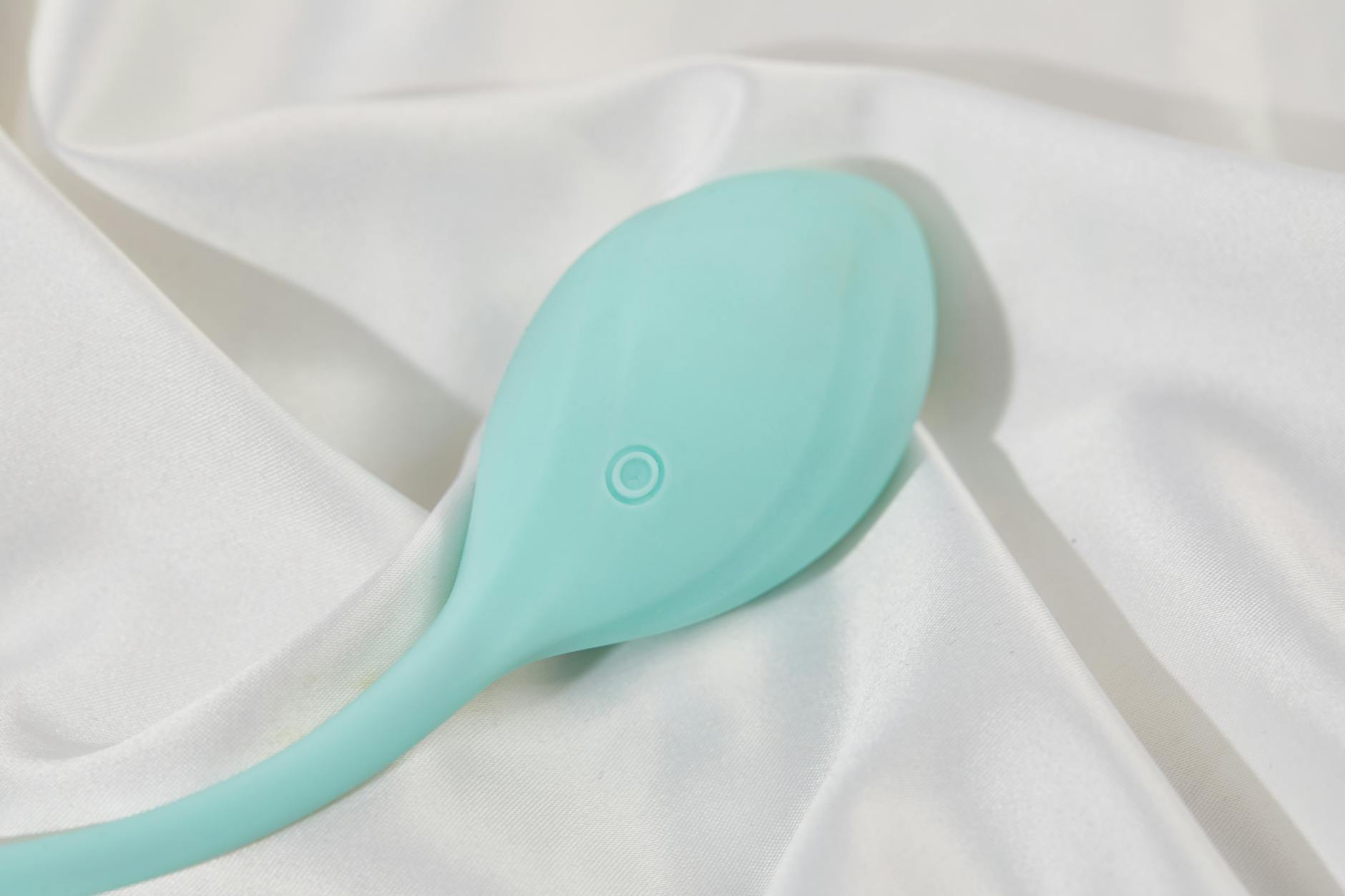
Photo by IFONNX Toys on Pexels
Ovulation: when sensation peaks
Round about day 14, estrogen hits its ceiling and you ovulate. This is the sweet spot for clitoral pleasure. Tissues are fully engorged. Dopamine is high. Your sensitivity to vibration and suction is at its annual maximum.
This is when your lemon clitoral vibrator might actually feel too intense on your usual settings. You're not getting more pleasure from cranking up the power because you're already at peak sensitivity. Instead, that increased intensity can feel overwhelming or even slightly uncomfortable.
If you've been using patterns 3-5 all month, ovulation week might be the time to dial back to 2-4 and notice the difference. The sensation is sharper, more defined. You might find orgasm happens faster and feels more pronounced.
This phase also tends to be when partner sex feels best if you're doing that. The same anatomical changes that make your lemon vibrator feel different also shift how you respond to touch and stimulation overall.
The luteal phase early: a sweet middle ground
After ovulation, you enter the luteal phase. Days 15-21 or so, progesterone rises and estrogen drops. Your sensitivity doesn't plummet overnight. There's actually a brief window, maybe 3-5 days post-ovulation, where everything still feels pretty great. The estrogen hasn't dropped far enough to dull sensation, but progesterone hasn't climbed high enough to change the game entirely.
You can probably stick with your regular settings during this window. Your lemon sucker feels normal. Arousal takes a normal amount of time. Orgasm is still pretty accessible.
This is a good phase to try new patterns or settings without the adjustment fatigue that comes later. You've got bandwidth for experimentation.
The luteal phase late: when pleasure requires strategy
Days 21-28, progesterone peaks and estrogen bottoms out. This is when everything feels harder. Arousal takes longer to build. Your clitoris needs more direct, sustained stimulation. What felt perfect last week now feels like it's barely registering.
Many people assume they're broken or that their lemon vibrator is malfunctioning. Neither is true. Your nervous system has simply become less sensitive to stimulation. This is partly physiological and partly psychological: progesterone increases focus on threat detection and decreases reward responsiveness. You're neurologically tuned to be more cautious, less easily pleased.
Here's what works during this phase:
Use higher intensity settings. If you were cruising at patterns 2-3, bump up to 4-5. Don't feel bad about this. You're not broken. Your nervous system just needs more signal to register pleasure.
Build in way more warm-up time. Think 20-30 minutes instead of 10. This is not wasted time. This is you meeting your body where it actually is.
Consider combining sensations. The suction from a lemon clitoral vibrator works even better in this phase if you're also getting input from a partner (if you have one), or if you're pairing it with another sensation like a vibrator on a different area.
Let go of expecting the same experience as the first half of your cycle. This isn't resignation. It's skill. Working with your cycle means accepting that some weeks are high-sensitivity weeks and some are low-sensitivity weeks. Both are valid.
Why this matters for your relationship
If you have a partner, they're probably noticing these shifts too. Maybe they're taking it personally. Maybe you are. This is where the conversation matters more than the vibrator.
If you check in about your cycle and say, "This week my sensitivity is lower, so I'm going to need more time and higher intensity settings," that's not a criticism of your partner or of the intimacy you share. It's data. It's you giving them the information they need to meet you where you actually are instead of where you were last week.
For more on navigating pleasure with a partner, how to use a lemon vibrator for couples goes deeper into that conversation.
How to track what actually works for you
I recommend keeping a one-sentence note during your cycle: what setting did you use, how much warm-up time did you actually need, how long did it take to orgasm. Not for judgment. Not for performance. For information.
After three cycles of notes, patterns emerge. You'll know that days 8-12 typically need pattern 2, while days 23-25 need pattern 4. You'll know that early follicular phase needs 8 minutes of foreplay while late luteal needs 25. This is gold. This is you becoming an expert in your own pleasure.
This also makes partners way more useful. Instead of "I don't know, I'm just not in the mood," you can say, "We're at day 25, so I'm going to need longer warm-up and higher intensity tonight." That's actionable. That's sexy. That's a plan.
What if your cycle is irregular or you don't menstruate
If you take hormonal contraceptives, your hormonal fluctuations are either flattened (combination pills, patches, rings) or nearly absent (hormonal IUDs, the minipill). This means your sensitivity to lemon vibrators probably stays pretty consistent month to month. That's actually useful information too. You can dial in a setting and pattern that works and basically keep using it.
If you have PCOS, irregular cycles, or don't menstruate for other reasons, you might still notice subtle shifts in how your body responds to stimulation. These shifts might be driven by stress, sleep, inflammation, or other non-hormonal factors. The same tracking approach works. Notice what works week to week and adjust accordingly.
For more on customizing pleasure to your specific body, how to choose the right lemon vibrator sensitivity level for you walks through the process in detail.
The bigger picture
Your pleasure isn't a constant. It's a landscape that shifts with your cycle. A lemon vibrator, or any clitoral vibrator, works best when you're working with that landscape instead of expecting it to stay the same.
The follicular phase is your high-sensitivity window. Use it. Experiment with lower intensities. Notice what you're capable of feeling. The luteal phase is your high-effort window. You need more. Intensity, time, sustained focus. Both are part of your sexual life. Both are worth understanding.
This isn't about optimization or peak performance. It's about meeting yourself with honesty and flexibility. Some weeks you're a pattern-2 person. Some weeks you're a pattern-5 person. Both are you.
Frequently Asked Questions
Why does my lemon vibrator feel intense during ovulation when it normally feels mild?
During ovulation, estrogen peaks and blood flow to your genitals increases dramatically. Your clitoris is more engorged with blood, which makes the nerve endings more responsive to stimulation. This heightened sensitivity means that a setting that felt moderate last week now feels strong. This is completely normal and temporary. Your sensitivity will shift again as you move into the luteal phase.
Can I use different intensity patterns at different times of my cycle?
Absolutely. In fact, you should. Your nervous system's responsiveness to vibration changes week to week based on hormonal fluctuations. During your follicular phase, lower intensity patterns (1-3) often feel more satisfying because your sensitivity is higher. During your luteal phase, you'll probably want higher patterns (4-5) to achieve the same sensation. There's no "right" pattern. There's only what works for your body right now.
Does cycle phase affect how quickly I can orgasm with a lemon clitoral vibrator?
Yes, significantly. During the follicular phase and ovulation, many people reach orgasm faster because arousal builds more quickly and clitoral sensitivity is higher. During the luteal phase, especially late luteal, orgasm typically takes longer because your nervous system is less responsive to pleasure. This is not a problem to fix. It's information to work with. Give yourself more time, use higher intensity, and adjust expectations accordingly.
What if I'm on birth control pills? Will my lemon vibrator still feel different throughout the month?
Combination birth control pills suppress the natural hormonal fluctuations of your cycle, which means your sensitivity to vibration should stay fairly consistent month to month. You might notice some subtle shifts based on the hormone levels in your pills during different weeks, but they're usually minor compared to people with natural cycles. If you're noticing big shifts, it might be related to stress, sleep, or other factors rather than hormones.
Should I tell my partner about my cycle's effect on pleasure?
Yes, if you have a partner. This conversation removes shame and guesswork. Instead of your partner wondering why you wanted intense stimulation last week but not this week, they know it's a predictable shift tied to your cycle. This makes the whole experience less fraught. You're not rejecting them. You're providing data about what you need. That's actually incredibly intimate.
Is it normal to want way less pleasure during my period and luteal phase?
Completely normal. Progesterone increases during the luteal phase, which decreases dopamine and reward sensitivity. This isn't a sign that something's wrong with you or your pleasure. It's a sign that your nervous system is tuned differently right now. Some people find that pleasure takes more effort during this phase and decide it's not worth it. Others enjoy the challenge of getting there. Both are fine. Meet yourself where you are, not where you were two weeks ago.