Here's what nobody tells you about coming back to pleasure
You pick up a lemon vibrator after months or years away, expecting to feel that familiar buzz of sensation. Instead, you feel less. Muted. Like someone turned down the volume on your own nervous system. You wonder if you've lost the ability, if something's wrong, if your body has just... forgotten.
It hasn't. What's actually happening is much simpler and much more fixable than that.
The neurological reset that happens during a gap
When you stop engaging in pleasure for an extended period, your neural pathways don't disappear. They atrophy. Not in the way a muscle does after weeks without use, but in terms of sensitivity and responsiveness. Your clitoral nerves are still there. Your capacity for pleasure is still there. What's different is the signal strength.
Think of it like an old radio. The station hasn't moved. The frequency is still broadcasting. But if you haven't tuned into it in a long time, when you turn the dial, the signal comes through faint and fuzzy until you recalibrate.
Your nervous system works similarly. When you've been away from stimulation, the neural pathways that fire during arousal need reactivation. This isn't weakness or damage. It's just biology resetting to neutral after a gap.
Why a lemon clitoral vibrator makes this easier
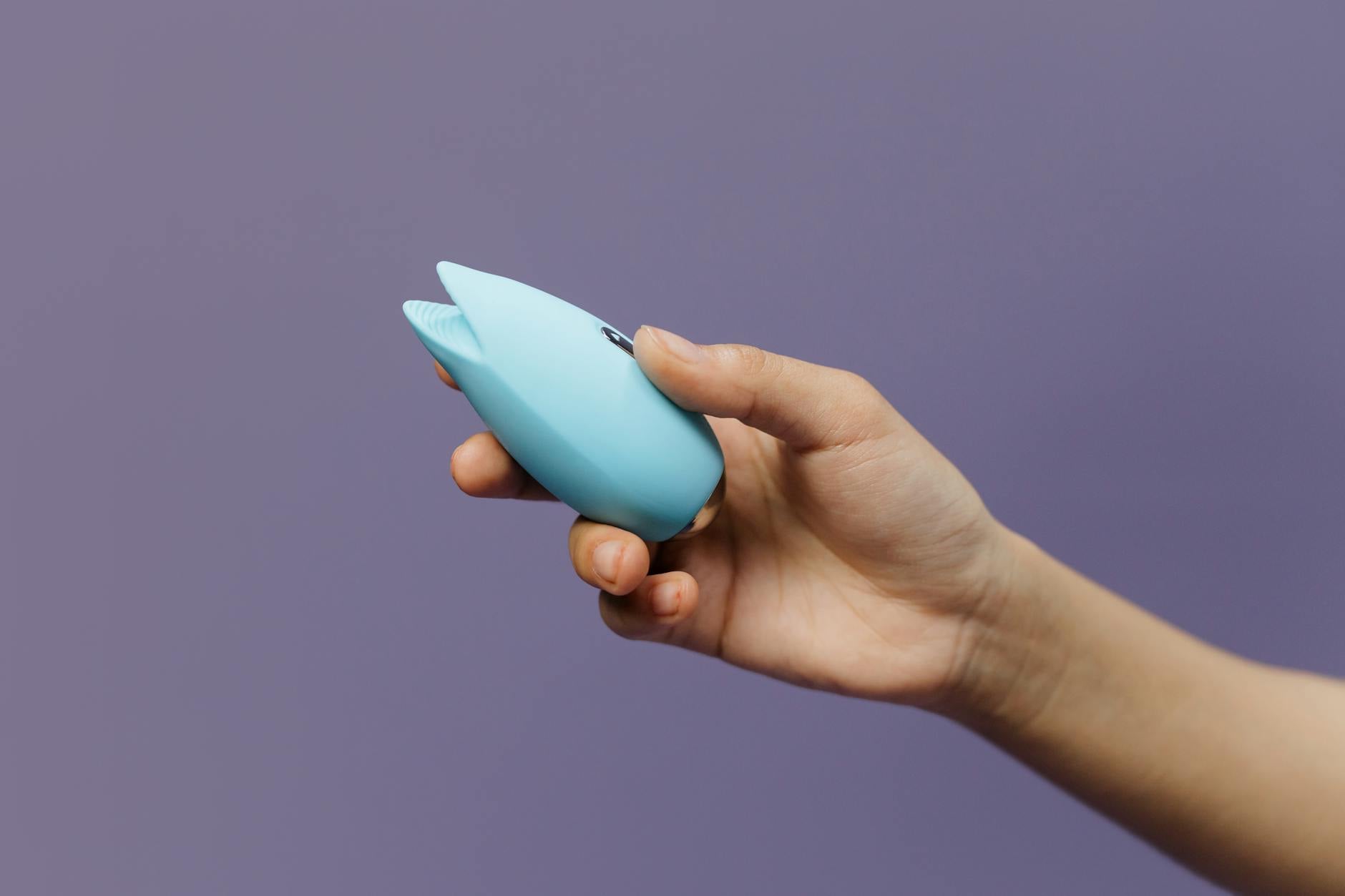
The thing about air-suction toys like the Lem is that they work differently than traditional vibrators. Instead of relying on direct friction that can feel overwhelming to desensitized tissue, suction stimulates the clitoral nerve bundle through gentle negative pressure. This matters when you're restarting.
When sensation is muted, you need stimulation that's both intense enough to register and gentle enough not to feel jarring. Direct friction can feel numb or, worse, like discomfort. Suction bypasses that. It engages the nerves without the mechanical pressure that can make restarting feel like an uphill battle.
Many people find that after a gap, a lemon vibrator reignites sensation faster than what originally worked for them. Not because you've changed. Because the technology is meeting your nervous system where it actually is right now.
What changes in your body during a pleasure break
Three major shifts happen during any extended gap from sexual activity or self-pleasure.
First, blood flow patterns normalize. During regular sexual activity, your pelvic region maintains elevated blood flow capacity. After a break, those vessels deprioritize. When you restart, blood takes time to redirect back to the clitoris and surrounding tissue. This is why restarting often requires longer warm-up time. Your body isn't refusing sensation. It's ramping back up.
Second, genital tissue composition changes subtly. The vaginal and vulval tissues maintain their own microclimate influenced by sexual activity. After a long gap, tissue becomes slightly thinner and loses some of its natural lubrication capacity. This isn't permanent, but it does mean you'll benefit from external lubrication in a way you might not have before. Water-based lube applied generously makes restarting dramatically easier.
Third, your pelvic floor recalibrates. The muscles supporting the vulva, vagina, and clitoris tighten over time without regular use or relaxation practice. A tighter pelvic floor restricts blood flow and sensation. Many people returning to pleasure after a gap feel blocked or muted. That's often pelvic floor tension, not nerve damage. Which means it's reversible.
The mental part (which affects the physical part more than you'd think)
Honestly though, the neurological stuff is only half the story. The mental piece often runs the show.
After a long break from pleasure, you arrive with expectations built on memory. You remember how it felt before, and you measure what you feel now against that. When current sensation doesn't match old sensation, your brain interprets that as loss rather than recalibration. That disappointment is real, and it actually dampens arousal further. Disappointment is not an aphrodisiac.
Restarting requires a small mindset shift. Not toxic positivity or forced enthusiasm, but genuine curiosity. You're not trying to recreate the past. You're discovering what pleasure feels like now, in this body, at this moment. That's not settling. That's actually the only way forward.
When you approach restarting with curiosity instead of comparison, your nervous system relaxes. And when your nervous system is relaxed, sensation floods back faster.
The restart protocol that actually works
Four concrete things I recommend to every client returning to pleasure after a gap.
Start with lower intensity settings. If you're using a lemon vibrator, begin on pattern one or two. Not because your body is broken, but because gentler stimulation helps your nervous system remember its job without overwhelming desensitized tissue. You can increase intensity session to session. Patience here saves weeks of frustration.
Commit to longer warm-up windows. Give yourself 20 to 30 minutes before expecting strong sensation. This isn't because you're doing it wrong. It's because blood flow and arousal need genuine time to build after a break. Rushing the process is like expecting a cold engine to purr after thirty seconds. Schedule the time. Treat it as non-negotiable.
Use water-based lubricant generously. Full coverage, not strategic dabs. The tissue needs the support, and lube makes sensation smoother and less potentially uncomfortable. No shame here. No skipping this step thinking you should be able to go without. You've been away. Be kind to your body.
Relax your pelvic floor intentionally. Before and during pleasure, spend time simply noticing your pelvic floor. Where does it sit? Is it clenched? Can you soften it? Many people find that gentle breathing into the pelvic floor (exhale and imagine releasing) changes everything. Tension kills sensation. Release amplifies it.
How long does it actually take to recalibrate
This depends on how long the gap was and what else is happening in your nervous system. A three month break typically reverses within two to four weeks of consistent, patient exploration. A year or longer might take six to eight weeks. But here's the thing that matters. You're not broken during that timeline. You're recalibrating. Each session builds on the last.
Consistency matters more than intensity. Two to three sessions a week of patient, curious exploration does more for restarting than one marathon session trying to force old sensation. Your nervous system responds to regular, gentle signals. Give it those signals, and it remembers.
The emotional piece when restarting with a partner
If you're restarting pleasure in a relationship context, that layer changes things. Your partner might wonder why you're not responding the way you used to. You might feel pressure to perform sensation you're not quite feeling yet. That's a different conversation than the one you're having with your body.
I recommend separating them completely. Tell your partner this is a recalibration period, not a decline in desire or attraction. Explore solo first if possible. Let your nervous system remember without the performance pressure. Once sensation rebuilds, partnered exploration is actually wonderful. But leading with that sets you up for disappointment for both of you.
When to worry versus when to wait
Most restarting experiences are straightforward recalibration. Your body adapts, sensation returns, life moves forward. But there are moments to flag.
If pain appears during restarting (sharp, stinging, or burning), that's a signal to pause and check in with a gynecologist. Pain isn't normal even after a long gap. If you're six weeks into consistent, patient exploration and sensation still hasn't budged at all, a conversation with a sexual health specialist is worth it. They can rule out hormonal shifts or other factors you might not know about.
But that's the exception. The norm is that patience, consistency, and a thoughtful approach to restarting works.
The lemon vibrator specifically for gaps
Why I mention the Lem specifically in restart conversations is because suction technology is gentler on desensitized tissue than direct vibration alone. If you've been away from pleasure and you're using something that worked before, it might feel too intense or jarring right now. A lemon clitoral vibrator gives you a different pathway. That different pathway is often exactly what nervous systems that have been on pause actually need to wake back up.
It's not magic. It's just neurology meeting technology in a way that makes the restart smoother.
What happens after you've restarted
Once sensation returns, consistency keeps it strong. Even a single week away starts the atrophy process again, though thankfully it's much faster to rev back up once you've done it once. Your nervous system remembers the pattern. The second and third and tenth restarts are easier than the first because your body knows where it's going.
More than anything, restarting is just an invitation to approach pleasure without expectations. Not as a performance you're supposed to deliver. As a conversation with your own body. That conversation gets richer the more you show up for it. After a long gap, you're not starting over. You're starting again, which is completely different.
FAQ
How long can you take a break from sexual activity before sensation changes?
It varies, but most people notice some shift after three to four months. That doesn't mean sensation disappears. It means the responsiveness slows. Blood flow patterns change, tissue composition shifts subtly, and the neural pathways that fire during arousal need reactivation. The gap doesn't erase your capacity for pleasure. It just puts your nervous system into standby mode until you signal that you're ready again.
Can you permanently lose sensation after a long break?
No. Your clitoral nerve structure doesn't go anywhere. Your capacity for pleasure doesn't evaporate. What resets is the signal strength and the immediate responsiveness of your nervous system. Even after years away, reactivation follows the same pattern. It takes time, patience, and consistency, but the ability itself is still there.
Is it normal to feel numb or muted when restarting?
Completely normal. Numbness after a gap is usually one of three things. First, nervous system recalibration, which is just biology resetting after time off. Second, pelvic floor tension, which restricts blood flow and dampens sensation. Third, mental expectation versus present reality, where your brain's comparison dampens what your body is actually feeling. All three are fixable with the right approach.
Will a lemon vibrator make sensation come back faster than other toys?
Potentially, yes. Suction-based stimulation engages nerves differently than direct vibration. Many people restarting after a gap find that suction feels more accessible and less overwhelming than friction-based toys. That said, what works depends on your nervous system. Some people need gentler options. Some respond better to specific patterns. Curiosity and experimentation matter more than the specific toy.
How often should you use a toy when restarting?
Consistency beats intensity. Two to three sessions a week of patient, curious exploration works better than one intense session. Your nervous system responds to regular, predictable signals. When you show up consistently, it learns to anticipate and respond. Sporadic attempts don't give your body the signal pattern it needs to recalibrate.
Can hormonal changes during restart affect sensation?
Absolutely. Where you are in your cycle, whether you're on hormonal birth control, and broader hormonal shifts all influence responsiveness during a restart. Sensation might feel different on different days of your cycle. That's not a problem. It's information. Tracking what you notice helps you understand your own patterns and approach restarting with realistic expectations. Your body isn't inconsistent. It's responsive to its own chemistry.
If restarting feels confusing or frustrating, reach out. The team at Hello Nancy is here to help you navigate this conversation with your own body. Contact us or explore our buying guide for recommendations tailored to your restart journey.