Why Lemon Vibrators Feel Different During Menopause (and What Helps)
Let's be real. Menopause changes things. Your body's response to touch, your arousal timeline, the sensations you've relied on for years. But here's what nobody explains clearly: it changes how you experience pleasure, not whether you're capable of it.
I've worked with hundreds of people navigating this exact transition, and the most common question is some version of "Am I broken?" The answer is always no. Your nervous system is recalibrating, and once you understand what's actually happening, you can work with it instead of against it.
Hormonal shifts during menopause affect tissue thickness, blood flow to the vulva, and how quickly your nervous system fires up. That's physiological fact. What's equally true is that lemon vibrators, especially suction-based designs, are genuinely brilliant for post-menopausal bodies. And I'll explain why.
What actually changes hormonally (and what doesn't)
Estrogen drops. This is the headline, and it matters. Lower estrogen means thinner vaginal tissue, less natural lubrication, and slower blood flow to your genitals. Your clitoris is still there, still sensitive, still fully capable of pleasure. But the tissue around it responds differently to stimulation.
Testosterone also drops, and this matters more than most people realize. Testosterone drives desire in every body, regardless of sex. When it dips, that spark of "I want this" can feel quieter. Not gone, quieter.
The pelvic floor muscles lose some of their tone and elasticity. Orgasms can feel different because the muscles that were previously gripping tightly are now a bit more relaxed. Some people find this disappointing. Many find it actually allows for longer, more rolling orgasms instead of sharp peaks.
Here's what doesn't change: the neural pathways for pleasure. Your clitoris has 8,000 nerve endings, and menopause doesn't rewire them. Your brain's capacity to experience pleasure, build desire, or reach climax is intact. The infrastructure is still there. The map just got redrawn.
Why suction-based lemon vibrators work better during this phase
This is where it gets practical and genuinely useful.
A traditional vibrator works through rapid oscillation against delicate tissue. During menopause, when that tissue is thinner and more sensitive, direct vibration can sometimes feel harsh or even slightly irritating. You need something gentler that still delivers real stimulation.
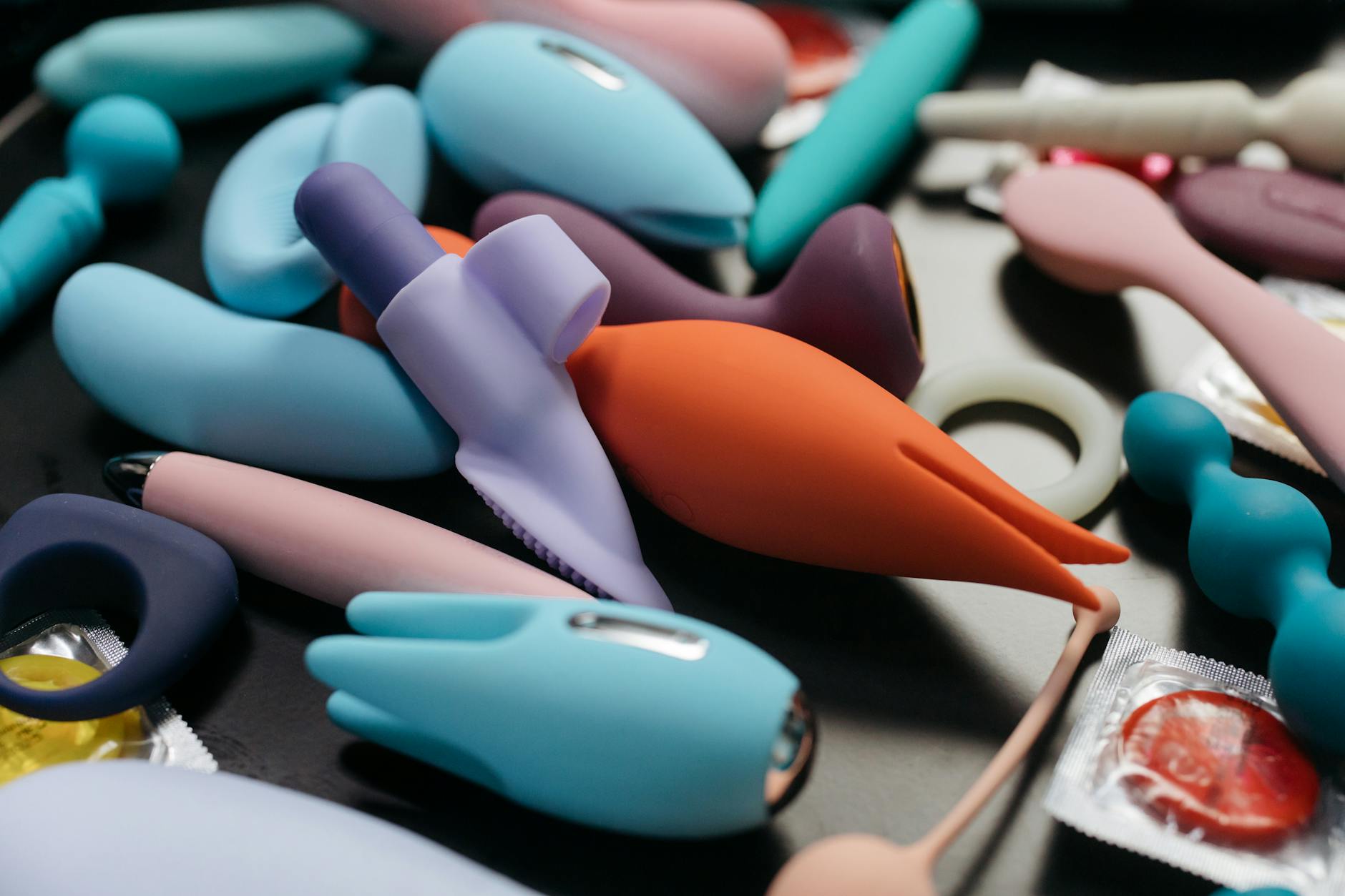
Lemon clitoral vibrators that use suction technology create a different kind of stimulation. Instead of pounding or buzzing directly on tissue, they create a gentle seal and pulse against the clitoris. This draws blood into the area, triggers deep nerve endings, and builds sensation without aggressive friction.
Think of it this way: direct vibration is like tapping on a door. Suction is like opening it and inviting the entire room to wake up. For post-menopausal bodies with less robust tissue and slower blood flow, that invitation works brilliantly.
The Lem, for example, gives you control over intensity through pattern selection, not just power level. You can start at a gentler rhythm and build up rather than jumping into high-intensity vibration.
The mental and emotional shifts that also matter
This is important and often overlooked.
Menopause arrives alongside other life changes. Your kids might be launched. Your career might be in flux. You might be reckoning with your relationship in new ways, or grieving losses. These emotional and life pressures genuinely impact your nervous system's ability to access pleasure.
Many people notice that arousal takes longer to build not because of hormones alone, but because their nervous system is running in a slightly elevated baseline stress state. Your brain can't fully drop into pleasure mode if it's half-monitoring the ten other things on your plate.
What shifts post-menopause, though, is often freedom. The constant low-level anxiety about pregnancy, about fitting into a certain life role, about managing a menstrual cycle. That mental real estate opens up. People frequently tell me their best orgasms have come after menopause, once that cognitive load lifted.
The practical adjustments that actually work
Here are the changes that make the biggest difference, based on what I've seen work repeatedly.
Water-based lubrication becomes non-negotiable. Not because you're deficient, but because you deserve comfort. Thinner tissue benefits from the glide. Use it generously, reapply as needed, and don't view it as failure. It's infrastructure.
Extend your warm-up time. Blood flow to your genitals takes longer to build. Give yourself 15 to 20 minutes of foreplay, touch, or solo exploration before introducing a toy. Your nervous system needs time to downregulate and access pleasure mode.
Start with lower intensity patterns. If you're using a lemon vibrator for the first time post-menopause, begin on the gentler settings. Your body will tell you if it wants more. You can always increase. You can't un-overwhelm your nervous system mid-session.
Pay attention to your pelvic floor. Paradoxically, many people tense their pelvic floor during this phase out of habit or anxiety. Learning to relax it fully actually increases sensation and makes orgasm easier. Breathing helps. A slow exhale while starting stimulation signals safety to your nervous system.
When to talk to a doctor (and what to ask for)
If sex is painful, don't wait for it to resolve on its own. Genitourinary syndrome of menopause is real, treatable, and nothing to be embarrassed about.
A menopause-trained GP can prescribe low-dose vaginal estrogen creams. This is topical, meaning minimal systemic absorption, and it works remarkably fast. Many people feel significant improvement within two to four weeks.
If your desire has tanked and you're otherwise happy in your relationship and life, testosterone therapy is worth discussing with your doctor. It's prescribed more conservatively in some places than others, but it exists and it helps.
The permission piece
Menopause is not your sexual decline. It's a recalibration.
You're not broken. Your body is changing the way every body does. The tools you were using before might need adjusting. Your timeline might need stretching. Your approach to pleasure might need reimagining. That's normal, temporary in the adjustment phase, and completely workable.
I see people rediscover pleasure in their 50s, 60s, and beyond. The kind of pleasure that's deeper, less self-conscious, more firmly rooted in their own nervous system rather than external performance. That's not myth. That's repeated clinical reality.
Your capacity for pleasure didn't go anywhere. You just need the right information, the right tools (lemon suction vibrators are honestly excellent here), and permission to explore what feels good now, not what felt good before.
FAQs: Common questions about lemon vibrators and menopause
Can a lemon clitoral vibrator be too intense for menopausal bodies?
Yes, if you start too high. Thinner tissue and slower blood flow mean you're more sensitive to overstimulation initially. That said, most lemon vibrator designs offer pattern variation and intensity control. Start at the lowest setting, give your body time to respond, and adjust up. Intensity matters, which is why choosing a device with good incremental control makes sense.
How long does it take to feel normal pleasure again after menopause starts?
Some people adjust within weeks. Others take several months as their nervous system fully recalibrates. Hormone replacement therapy can speed the process. Even without HRT, most people notice gradual improvement over the first 6 to 12 months as their body stabilizes at its new hormonal baseline. Patience with yourself matters.
Are there sexual positions or techniques that work better for menopausal bodies?
Angles that allow for more clitoral stimulation often feel better because direct internal stimulation might feel less satisfying when vaginal tissue is thinner. Positions where you have control over depth and pace are usually winners. For partnered sex, this might mean being on top or using a lemon vibrator alongside partnered activity. The more control you have, the better you can communicate what feels good.
Will lubricant interfere with a lemon vibrator?
Not at all. Water-based lubricant is actually ideal because it creates the seal that suction toys need. Silicone-based lubes can degrade silicone toys, so stick with water-based. The combination of a quality lemon suction vibrator and good lube is powerful during menopause.
Does menopause affect your ability to have multiple orgasms?
Orgasm patterns can shift. Some people find they have fewer back-to-back orgasms but longer, more intense single orgasms. Others actually report more sustained pleasure once the pelvic floor relaxes slightly. Everyone's nervous system is different. What matters is exploring what your body offers now, not comparing it to what it did before.
Is testosterone therapy necessary to enjoy sex after menopause?
Absolutely not. Most people access pleasure perfectly well through local adjustments, hormonal support like topical estrogen, better tools like lemon vibrators, and emotional recalibration. Testosterone therapy is one option if desire is genuinely absent and you want to explore it. It's not a requirement.
The bigger picture
Menopause is not a deadline. It's a transition, and like all transitions, it requires some adjustment, some grace with yourself, and new information.
Your body didn't betray you. It changed. Once you understand the changes, you can work with them. And honestly, many people find the pleasure they access on the other side of menopause is richer and more grounded than anything before.
If you're navigating this and want to dig deeper into how it affects your relationships and intimacy, I'm here for that conversation. Reach out anytime.