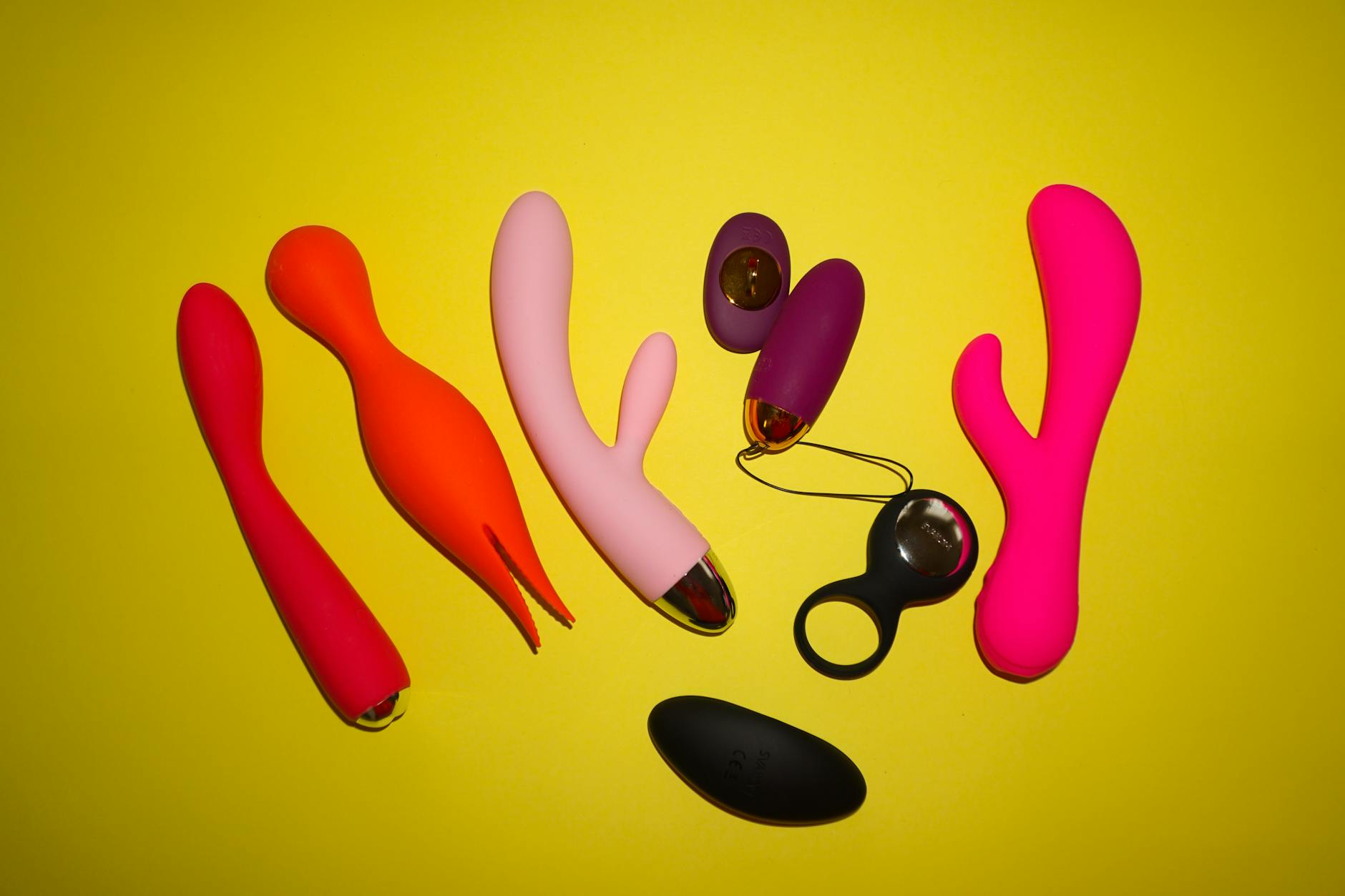
Let's talk about what happens when your body feels safe again
There's a moment that doesn't get discussed enough in pleasure conversations. It happens after you've done the work. After therapy or time or confrontation or forgiveness or all of it together. It's the moment when your nervous system finally stops treating touch as a threat.
And then something wild happens. The same toy that never worked, suddenly does. Or it works completely differently. Or sensation shows up in places you thought were permanently numb. This isn't magic. It's neurology.
How trauma and shame shut down sensation
When your body has been through betrayal, violation, or prolonged shame about your sexuality, your nervous system goes into protective mode. This isn't weakness. It's survival. Your body learned that pleasure wasn't safe, so it dimmed the lights. Sensation stays shallow. Arousal takes forever. Orgasms feel distant or impossible.
This is called "nervous system downregulation." Think of it like a fire alarm that got stuck in the on position. Your whole system is on alert, which means pleasure receptors are being ignored in favor of threat detection.
The problem is that devices designed for pleasure work by triggering sensation. They need a nervous system that's paying attention. When your system is locked in protection mode, even the best lemon clitoral vibrator or suction toy can feel like nothing.
Why the recovery curve feels nonlinear
Here's what surprises people: healing isn't a straight line. You might have a week where sensation comes back strong. Then two weeks where you're back to feeling numb. This isn't failure. This is your nervous system slowly learning that it's actually safe.
I see this pattern constantly with clients rebuilding pleasure after infidelity, sexual assault, or long-term shame. Progress looks messy. Some days your lemon vibrator feels incredible. Other days you feel like you're starting from zero. Both are normal.
The timeline depends on the depth of the wound and the consistency of your healing work. Therapy, somatic work, breathwork, trusted physical touch, journaling, time. None of those heal the body faster. They just help the nervous system actually believe it's safe.
What changes when your body finally trusts again
When your nervous system shifts from "on guard" to "calm," several things happen at the physical level.
First, blood flow normalizes. Arousal becomes easier because your vascular system isn't constricted in a low-level panic response. Your clitoris actually fills and plumps with blood, which is essential for sensation. This is why people often report that the same vibrator suddenly feels like a completely different experience.
Second, your attention expands. When you're in protection mode, mental resources are tied up in threat detection. When you're regulated, your whole brain becomes available for sensation. You can feel texture, pressure, rhythm in ways that were neurologically impossible before.
Third, your pain tolerance actually goes up. This seems counterintuitive until you understand that pain and pleasure share neural pathways. When your system is locked in fear, light touch can feel jarring or invasive. When you're safe, the same pressure registers as pleasurable intensity.
Photo by cottonbro studio on Pexels
Why slower devices like the Lem work better in recovery
Lemon vibrators and air-suction devices are interesting for recovery because they don't demand a lot from your nervous system. They're not aggressive. The sensation builds gradually. Your body can control the pace.
When you're rebuilding trust, you need toys that let you stay present. Fast, intense vibration can startle a system that's still learning safety. The slow pulse of a lemon clitoral vibrator, by contrast, gives your nervous system time to register "this is okay" between waves of sensation.
This is also why breath work during solo exploration becomes so important. The connection between your breathing and your nervous system is direct. Slow, conscious breathing tells your body it's safe. Holding your breath signals threat. When you're using a lemon vibrator during recovery, focusing on exhales actually helps the sensation land better.
The role of consent and control
One thing that changes after rebuilding body trust is your relationship with control. When you're healing from shame or violation, you need agency. This is why solo exploration often feels safer than partnered pleasure during early recovery.
When you're using a lemon sexual toy alone, you can pause whenever you want. You can decide the pace. You can stop if something feels off. This might sound basic, but for someone rebuilding trust, this control is foundational. Your nervous system needs to prove to itself that it's in charge.
If you're moving toward partnered pleasure while still in recovery, communication becomes essential. Your partner needs to understand that pleasure might feel different some days. That you might need to pause. That sensation showing up unexpectedly is not a sign of healing being complete, but of healing being alive.
What to actually do
If you're in this space right now, here's what I recommend.
Start with solo exploration in a space where you feel completely safe. No pressure to orgasm. No goal. The goal is just to notice what sensation is present. A lemon clitoral vibrator can be perfect for this because you can move at your own pace and keep intensity low.
Practice grounding before and during. Feel your feet on the ground. Notice the texture of your sheets. This sounds simple but it keeps your nervous system anchored in the present instead of retreating into protection.
Trust the nonlinear progress. Some sessions will feel incredible. Some will feel like nothing. Both are information. Both are your body healing.
Consider body-based therapy alongside solo exploration. Somatic experiencing, trauma-informed yoga, or sensorimotor psychotherapy all work with the nervous system directly. Your therapist and your vibrator are part of the same project.
The emotional piece matters as much as the physical one
Here's something I tell every client rebuilding pleasure after trauma or shame. Your body's ability to feel sensation is not separate from your emotional healing. They're the same process.
When you're numb during sex, it's not because something is wrong with your nerve endings. It's because your whole system learned that disconnection was safer than connection. Rebuilding sensation means slowly proving to your nervous system that feeling is safe again.
This is why shame work, forgiveness work, and sometimes grief work are essential. Your body holds all of it. The pleasure you feel when using a lemon vibrator during recovery isn't just physical sensation. It's your nervous system saying "I'm safe now."
That changes everything.
FAQ
How long does it usually take for sensation to come back after healing from shame?
There's no fixed timeline. I've seen clients notice shifts within weeks of starting therapy. I've also worked with people who needed months or years of consistent healing work before sensation returned fully. The variable isn't how "damaged" you are. It's the consistency of your healing practice and the complexity of what happened. If you're in consistent therapy and doing your nervous system work, you should notice small shifts within 4-6 weeks. Patience with yourself matters more than speed.
Can I use a regular vibrator during recovery or should I wait for a lemon clitoral vibrator?
You don't need to wait to use any toy. But intensity matters. If you're in early recovery, start with something gentle and slow. A lemon vibrator is good for this because the suction sensation is gradual and you control the rhythm. High-intensity vibrators can feel startling to a nervous system that's still learning safety. Pick something that feels inviting, not demanding. If standard vibrators feel too intense, that's information. Respect that feedback.
What if I don't feel anything even when I'm in therapy and "healing"?
Numbing during sex can persist even when emotional healing is happening. Your nervous system sometimes needs extra support. Talk to a somatic therapist or trauma-informed sex therapist. Sometimes gentle breathwork or specific touch sequences help reconnect the nervous system to sensation faster than talk therapy alone. And sometimes you need a longer timeline. That's not failure. That's just how the body heals.
Is partnered pleasure possible during recovery or should I avoid sex completely?
It depends on where you are in your healing and what feels safe. Some people need a long period of solo-only exploration before partnered touch feels okay. Others need partnered touch to feel safe (as long as the partner is trustworthy). There's no universal right answer. What matters is that you're choosing based on what actually feels safe to you, not on what you think you "should" be doing. If partnered pleasure is part of your recovery, make sure your partner understands that pleasure might feel different some days and that communication is ongoing.
Can a lemon vibrator help with dissociation during sex?
Dissociation is a nervous system response where you "leave your body" during sex. The vibrator alone won't fix that, but it can be a tool within a larger practice. The key is using the vibrator as a way to anchor yourself to sensation rather than escape it. Slow, deliberate attention to what you feel (not performance pressure) can help. Grounding practices before and during are essential. And working with a trauma-informed therapist on the dissociation itself is equally important. The vibrator is a tool. Your nervous system healing is the foundation.
What if pleasure doesn't feel the way it used to?
This is actually normal and doesn't mean something's wrong. Pleasure after recovery often feels different because your nervous system is different. It might be quieter. Less frantic. More full-bodied. More present. That's not damage. That's usually a sign that your body isn't in fight-or-flight mode anymore. Give yourself permission for pleasure to feel unfamiliar. It often does when you're actually present for it instead of dissociated or numb.
Your body's capacity for pleasure is still there. Sometimes it just takes time and safety to find it again.