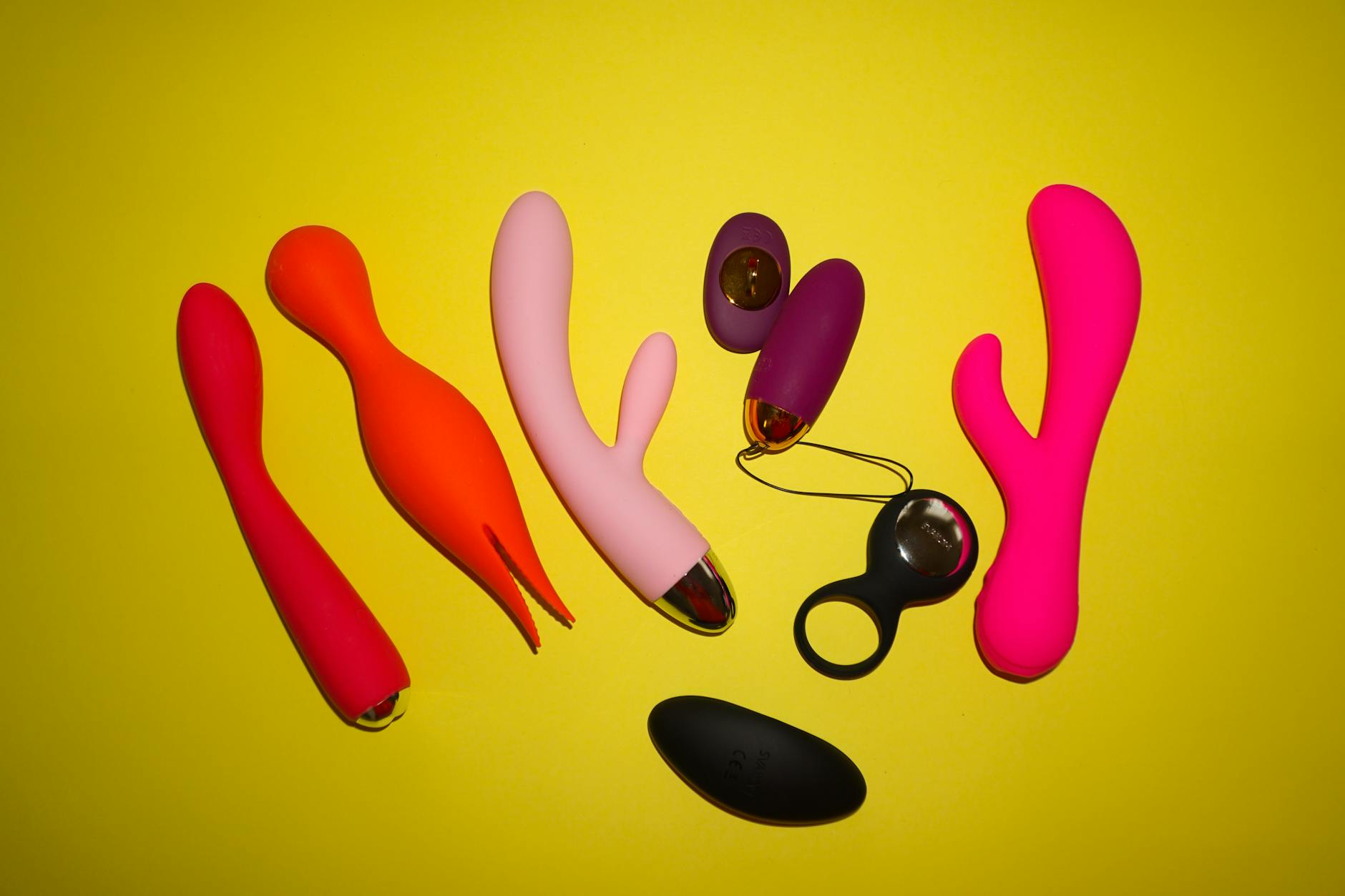
The thing nobody tells you about starting hormonal meds
You start a new thyroid medication, or a steroid for an autoimmune condition, or HRT for menopause, and suddenly your lemon vibrator feels different. Not broken. Just... different. The sensation is duller, or the response is slower, or you need twice as long to reach what used to be a quick finish. Most people assume something's wrong with them. It's not. It's chemistry.
Hormonal treatments change the entire ecosystem of your body. That includes desire, arousal speed, lubrication, and nerve sensitivity. The good news: understanding the mechanism helps you work with it instead of fighting it.
How hormones actually govern sensation
Here's what's happening under the skin. Hormones don't just control reproduction. They regulate blood flow, nerve firing speed, tissue thickness, and how your brain prioritizes pleasure signals. When you introduce a new hormone or suppress an existing one, those pathways recalibrate.
Thyroid hormones (whether you're replacing them with synthroid or suppressing them for thyroid cancer) affect metabolic speed and nervous system responsiveness. Your neurons literally fire at different rates. Corticosteroids reduce inflammation but also dampen sexual response throughout your entire body. And HRT, whether estrogen, testosterone, or progesterone dominant, reshapes the tissues that receive stimulation.
The clitoral nerve endings themselves don't change. But the blood flow feeding them does, and the speed at which arousal cascades through your central nervous system shifts. It's not that your lemon vibrator is less effective. It's that your body is receiving the signal on a slightly different channel.
Thyroid medication and what it changes
If you've just started levothyroxine or another thyroid replacement, especially if you've been hypothyroid for years, the adjustment phase can feel counterintuitive. Many people expect to feel "more alive" everywhere, including sexually. Often the opposite happens first.
Your thyroid governs metabolic rate. For months after starting medication, your body is recalibrating energy use, body temperature regulation, and neurological firing. Sexual response is metabolically expensive. Your body may be prioritizing other systems. This usually settles in 6-12 weeks, but during that window, a lemon vibrator that used to deliver intense sensation might feel pedestrian.
The fix is patience plus intentional warm-up. Budget extra time. Start at a lower setting on the Lem and let your body gradually build arousal instead of expecting the same quick response you had before. Your nervous system is learning to function at a new metabolic baseline. It will get there.
If you're on thyroid suppression therapy (for thyroid cancer survivors), the dynamic is different. You're essentially running hypothyroid by design. Expect that sexual response takes longer, requires more deliberate stimulation, and benefits from longer foreplay. This is the new normal for you, and it's workable once you stop expecting the old pattern.
Corticosteroids, inflammation, and the numbing effect
Steroids are powerful. They're also notorious for dampening sexual response. Prednisone, dexamethasone, or even inhaled steroids at higher doses suppress the immune system and reduce the inflammatory cascade that normally fuels arousal.
When you're on a steroid regimen, your entire system is in a mild immunosuppressed state. That means less inflammation (good), but also less of the swelling and engorgement that makes pleasure sensation sharper. It's like trying to feel texture through thicker skin.
Here's what I tell clients: this is temporary. Once you taper off the steroid, sensation returns quickly, often within 2-3 weeks. In the meantime, lean into external stimulation over internal. A lemon vibrator, with its targeted suction action, works better than penetration because it doesn't require the same depth of engorgement to feel good. You're working with your current neurochemistry, not against it.
Hormone replacement therapy opens a different door
HRT is complex because the effect depends entirely on what you're replacing, suppressing, or balancing. Estrogen-dominant therapy often improves lubrication and tissue thickness, which can actually make vibrators feel better initially. But the adjustment period can be rocky.
Some people starting HRT report a window (usually weeks 2-6) where sensation feels muted, almost numb. This is your brain's opioid system recalibrating. Hormones don't just affect sex organs. They reshape how your brain processes reward. It passes, usually by week 8, and sensation often becomes sharper than it was before.
Testosterone supplementation (whether as part of HRT or standalone) typically sharpens sensation and quickens arousal. But again, there's an adjustment window. Your receptors are learning to respond to new hormone levels. Give it 6-10 weeks before assuming something's wrong.
Progesterone, if it's part of your regimen, can initially feel sedating. Some people experience this as dampened desire. That usually resolves, but if it doesn't, your prescriber may adjust the dose or timing.
The psychological layer you can't ignore
Starting a new hormonal treatment carries weight beyond chemistry. If you're on thyroid meds, you might be grieving the illness itself. If you're on steroids, you may be managing a serious autoimmune condition, and that stress metabolically suppresses desire. HRT often signals midlife transition, which itself is loaded.
That psychological load is real and it matters. Sometimes the dullness you're feeling isn't purely hormonal. It's also that your nervous system is activated by the stress of change, medical uncertainty, or grief. Pleasure requires a parasympathetic state. Your body might be stuck in sympathetic overdrive.
If this resonates, carve out protected time to use your lemon vibrator without goal pressure. Not to orgasm. Just to reconnect. Let sensation be the point, not the outcome. Your brain and body need to know they're safe to feel pleasure again.
Practical adjustments that actually work
Four things I recommend to every client navigating pleasure after hormonal medication changes.
First, extend your warm-up window. Whatever timeline worked before, add 5-10 minutes. Your arousal isn't slower because you're broken. It's because your neurochemistry is processing stimulation at a different speed. Give it the time it needs.
Second, lower the starting intensity. If you usually reach for level 3 or 4 on the Lem, begin at level 1 or 2. Let your body gradually build to intensity instead of starting there. You're retraining your nervous system's sensitivity.
Third, pair your vibrator with lubrication even if you never needed it before. Hormonal shifts often reduce natural lubrication, and lube amplifies sensation. Water-based lube works with all toy materials and doesn't create drag the way thinner tissue sometimes experiences without it.
Fourth, track the timeline. Most hormonal adjustments settle within 8-12 weeks. If sensation hasn't shifted by week 10, talk to your prescriber. Sometimes a dosage adjustment or timing change (taking your pill at night instead of morning, for example) makes a real difference.
When you should talk to your doctor
If you're experiencing pain, numbness that doesn't resolve, or complete loss of sensation after 12 weeks on a new hormonal treatment, mention it to your prescriber. It's not shameful. It's medical information they need.
Some medications have known sexual side effects. If you're on an antidepressant alongside a thyroid med, or a steroid alongside HRT, the combination might be amplifying the numbing effect. Your doctor can sometimes adjust the dose, change timing, or switch to an alternative that works better for you.
Also: if you had robust sensation before hormonal treatment and it's completely gone weeks later, get your hormone levels checked. Sometimes prescriptions need fine-tuning. Levels that are "normal on paper" might not feel right in your body.
The reset that actually helps
Here's what I've seen shift things for people: permission. Permission to not expect your pre-medication baseline. Permission to take longer, need more lube, start at level 1 instead of level 3. Permission to grieve if something you relied on has changed.
Your lemon vibrator isn't less effective. Your body is processing sensation differently right now. That's not failure. It's adaptation. And adaptation, once you stop fighting it, often leads somewhere new. Many people who start hormonal treatment report that their most intense experiences come weeks or months later, once their system has recalibrated.
You're not broken. You're just running new software.
People also ask
How long does it take for sensation to return to normal after starting hormonal medication?
Most people notice stabilization within 6-12 weeks. Thyroid meds typically settle fastest (4-8 weeks). Steroids need a full taper, usually 2-3 weeks after your last dose. HRT and hormonal birth control adjustments can take 8-12 weeks for the brain to fully recalibrate. If you're not noticing improvement by week 10, that's when to check in with your prescriber about dosage or timing adjustments.
Can I use a lemon vibrator while adjusting to new hormonal treatment?
Absolutely. In fact, using it mindfully during the adjustment window helps your nervous system stay engaged with pleasure instead of losing touch with it. Just shift your expectations. Lower intensity, longer warm-up time, and go for exploration rather than orgasm as your goal. A lemon clitoral vibrator works particularly well during hormonal adjustment because it doesn't require the tissue engorgement that penetration does.
Does every hormonal medication affect sensation the same way?
No. Thyroid meds, steroids, HRT, and birth control each affect the body differently. Thyroid medication usually improves sensation once it stabilizes (because you're finally getting adequate hormone). Steroids typically dampen it temporarily. HRT effects vary based on which hormones you're replacing. Birth control can go either way depending on the formulation and your individual chemistry. Talk to your prescriber about the sexual side effects specific to what you're taking.
What's the difference between hormonal medication side effects and actual loss of desire?
Hormonal medication affects the physical mechanics of sensation and arousal speed. Loss of desire is usually psychological, medical (like depression or a thyroid condition), or relational. Sometimes they overlap. If you're noticing that you don't want pleasure at all, alongside sensation changes, that's worth discussing with both your doctor and a therapist. The physical adjustment usually takes weeks. Loss of desire that persists beyond that window often has another layer.
Should I tell my prescriber about changes in my sexual response?
Yes. It's medical information. Your doctor needs to know if a medication is affecting your quality of life, including sexual function. They might adjust your dose, change timing, suggest an alternative medication, or refer you to a specialist. Many sexual side effects are manageable once they're named out loud.
Can I use a lemon sucker vibrator alongside hormonal birth control?
Yes. If you're on the pill, patch, or ring, sensation changes are common in the first 2-3 months as your body adjusts. Using a lemon vibrator during that window helps you stay attuned to pleasure while your nervous system is recalibrating. Some formulations affect sensation more than others. If your current birth control is dampening pleasure significantly after 12 weeks, ask your prescriber about alternatives. Different progestin types have different effects.
The takeaway
When you start a new hormonal treatment, your body isn't betraying you. It's adapting. Sensation changes, arousal takes longer, and your go-to intensity might feel different. That's not permanent. That's adjustment. Once you stop expecting your pre-medication baseline and instead work with your current neurochemistry, you'll find rhythm again. Your lemon vibrator will feel like itself again, maybe even better, once your system settles. Give it time, give yourself grace, and keep exploring. Your pleasure is still there. It's just learning to speak a new language.