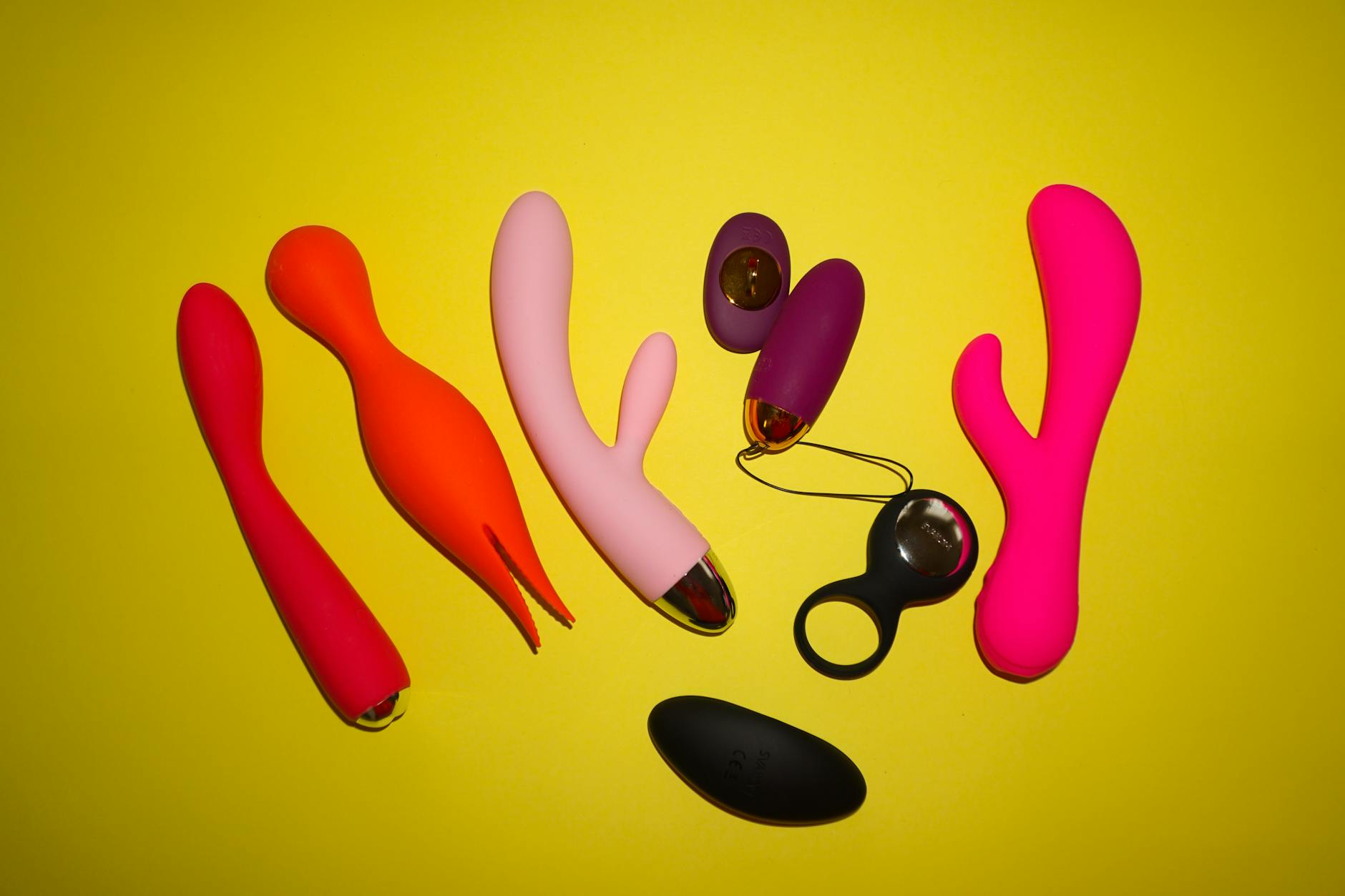
Let's talk about what sensitive really means
Sensitive vulva tissue isn't fragile. It isn't a problem. It's just tissue that needs a specific approach, and the good news is that approach isn't complicated.
When people tell me their vulva is sensitive, they usually mean one of three things: tissue that's thin or easily irritated, skin that bruises or becomes inflamed quickly, or nerves that fire intensely even with light touch. Sometimes it's all three. The important distinction is this: sensitivity and pleasure aren't opposites. In fact, they often go hand in hand.
The challenge isn't that lemon vibrators don't work for sensitive tissue. They absolutely do. The challenge is that most vibrator guidance treats all vulvas the same, and sensitive tissue deserves its own playbook.
Why suction toys work better for sensitive tissue than traditional vibrators
Here's the mechanical part. Traditional vibrators create friction and pressure through rapid movement against the tissue. For sensitive vulvas, especially those with thinning tissue from hormonal changes or irritation, that direct friction can feel overwhelming or even painful.
Lemon sexual toys use suction. That's a completely different mechanism. Instead of moving against the tissue, suction gently pulls the clitoris into a chamber where it's stimulated by air-pulse patterns. There's no grinding, no friction, and no direct abrasion. The stimulation is more distributed and less mechanical.
For people with sensitive vulva tissue, this is the difference between feeling pain and feeling pleasure. It's also why a lemon sucker vibrator often feels gentler than it sounds.
Start with pattern one and actually wait
I know it's tempting. The lemon vibrator has ten patterns, and you want to explore them all immediately. Don't.
Pattern one exists for a reason, and if you have sensitive tissue, it's your entry point. Not your eventual starting point. Your actual starting point, every single time for the first week or two.
Here's what I recommend: spend three to five minutes on pattern one alone. Nothing else. Just pattern one. Your job is to notice what sensation feels like, how your tissue responds, whether there's any irritation afterward. This is data collection, not pleasure optimization.
Most of my clients with sensitive tissue report that after a few sessions with pattern one, they notice the irritation that used to appear after fifteen minutes simply doesn't show up. The tissue adjusts. The nerves adjust. And then, gradually, you can layer in complexity.
Use lube even if you think you don't need it
Lube is not a sign that something is wrong. Lube is a tool for protecting sensitive tissue.
Water-based lubricant creates a buffer between the suction cup and your skin. Even though suction is gentler than friction vibrators, sensitive tissue benefits from that additional layer of protection. Think of it like this: lube isn't fixing a problem. It's preventing one.
Apply a generous amount to the outside of the suction cup and to your vulva. Reapply halfway through if things start to feel dry. And yes, even if you're naturally lubricated, add more. Sensitive tissue benefits from that extra moisture.
One thing I hear often: "Won't lube make the suction less effective?" No. The suction mechanism is powerful enough to work through a thin layer of water-based lube. You're not losing anything. You're gaining protection.
The warm-up isn't optional
Sensitive tissue responds best when it's already primed. That means you need a genuine warm-up, not a thirty-second buildup.
Spend ten to fifteen minutes on non-toy touch first. This could be your hands, your partner's hands, or external massage. The goal is to increase blood flow to the vulva and to begin arousal before the toy touches down. Sensitive tissue that's already aroused tolerates touch better, feels sensation more pleasurably, and is less likely to become irritated.
If you have a partner, this is also where you're building the experience together. Touch, connection, attention. Then, when you introduce the lemon vibrator, you're not starting from zero. You're continuing what's already happening.
If you're solo, the warm-up is still essential. Don't skip it to save time. The ten minutes you spend on foreplay are what make the difference between discomfort and incredible sensation.
Watch for the signs your tissue is saying no
Sensitive tissue talks if you listen. Knowing what to watch for is half the battle.
Little red marks or slight swelling after five or ten minutes: tissue is being irritated. Stop. Next time, use more lube or go back to an earlier pattern.
A burning or stinging sensation during use (not arousal tingle, but actual discomfort): stop immediately. This is tissue telling you it's overwhelmed. Rest for a day, then try again with more lube and a lower pattern.
Bruising that appears hours or a day later: you went too hard, too long, or with insufficient lube. Sensitive tissue bruises easier than thick tissue, and that's not weakness. It's just information. Adjust accordingly next time.
Pain during sex with a partner in the days after: again, tissue was overstimulated. Space out sessions or use even gentler settings. Pleasure should never create pain afterward.
The point isn't that these things mean you can't use a lemon vibrator. They mean you need to dial back intensity or duration and try again. Your tissue will tell you exactly what it can handle.
Pelvic floor tension makes sensitive tissue worse
Here's something most guides skip: tight pelvic floor muscles make sensitive tissue feel more sensitive in the worst way.
When your pelvic floor is tense (and most of us hold tension there without noticing), it reduces blood flow and increases pain sensitivity. Add a vibrator on top of that, and sensitive tissue becomes overwhelmed.
Before you use a lemon sexual toy, spend two minutes doing the opposite of Kegels. Breathe slowly. Imagine your pelvic floor melting down into your chair. Consciously relax the muscles around your vagina and perineum. You're not doing anything active. You're releasing tension that's probably been there all day.
This alone changes the experience dramatically. I've had clients who thought their tissue was too sensitive to use toys at all discover, once they relaxed their pelvic floor, that sensitivity became pleasurable rather than painful.
Recovery matters as much as the session
After you use a lemon vibrator on sensitive tissue, your job isn't over. How you treat that tissue in the hours after determines whether you can use it again comfortably.
If there's any redness or irritation, apply a cool compress for five minutes. Not ice. Cool. Soothe the tissue. If you feel any irritation, skip sex or penetration for at least a day. Let the tissue settle before you ask anything else of it.
Wear soft, breathable underwear for the rest of the day. Avoid sitting in tight clothing or anything that puts pressure on your vulva. Basically, let it rest.
If you're having regular sessions with a partner, space them out. Sensitive tissue needs recovery time between stimulation. This isn't weakness. It's just biology. Work with it instead of fighting it.
When to consider talking to a doctor
If sensitivity is accompanied by ongoing pain, persistent redness, or skin changes that don't resolve after a few days, get it checked. That's not a failing. That's being responsible.
Sensitive tissue is normal. But if that sensitivity is actually underlying irritation like contact dermatitis, a yeast issue, or hormonal imbalance, a good gynecologist can identify it. Once you know what you're working with, using a lemon clitoral vibrator becomes genuinely safe and enjoyable.
Also worth noting: if you've had surgery or trauma to the vulva, or if you have a diagnosis like vulvodynia, talk to your care provider before introducing a toy. Sensitive tissue from those causes needs specific guidance that goes beyond general best practices.
The real pleasure potential
Here's what I want you to know: sensitive tissue is often capable of more intense, more nuanced pleasure than tissue that's less responsive.
Your nerves are firing readily. That's the gift. The challenge is learning to work with that responsiveness instead of fighting it. A lemon vibrator, used thoughtfully with the practices above, can unlock sensation that feels incredible precisely because your tissue is attentive.
Take your time. Use lube. Warm up. Rest after. Listen to what your tissue tells you. And trust that sensitive doesn't mean broken. It means precise. And precision, in pleasure, is everything.
People also ask
Can I use a lemon vibrator if I have vulvodynia or chronic pain?
Vulvodynia requires specialized guidance because the pain is neurological, not just tissue-based. Some people with vulvodynia find that gentle suction toys like lemon vibrators actually help reduce pain over time by retraining nerve response, while others find any stimulation overwhelming. Talk to a pelvic physical therapist or vulvodynia specialist before introducing toys. They can give you a personalized green light and teach you exactly how to use a lem vibrator safely within your specific condition.
How do I know if my tissue is too thin to use a lemon vibrator safely?
If your tissue is visibly thin or paper-like (often from low estrogen), a lemon clitoral vibrator is actually one of the safer options because suction is gentler than friction vibrators. However, you'll need extra lube, shorter sessions (five to ten minutes initially), and extra attention to recovery. If you're in doubt, ask your gynecologist. They can assess your tissue thickness and advise on safety. Most people with thin tissue can absolutely use lemon vibrators with the right approach.
What's the difference between normal sensitivity and irritation that means I should stop?
Normal sensitivity while using a lemon vibrator feels like intense but pleasant sensation. You might feel tingling, warmth, or intensity. Irritation feels like burning, stinging, or sharp discomfort. If you notice redness or swelling immediately during use, that's irritation. Stop, apply lube, and try again at a lower pattern next time. If it happens repeatedly, it's time to space out sessions or use even gentler settings. Your tissue should feel good during and after, not raw.
Does using a lemon suction toy on sensitive tissue require different positions?
Yes, positioning matters. If you're solo, lying back with a pillow under your hips gives you easier access and better control. If you have a partner, they can use a lemon vibrator during foreplay in positions where they can see your face and check in with you easily. Positions where you're more relaxed (rather than tense or contorted) help your pelvic floor stay loose, which means sensitive tissue feels better. Take your time finding what works for your body.
How long should I wait between sessions with a lemon vibrator if I have sensitive tissue?
Start with sessions spaced two to three days apart while your tissue adjusts to the sensation. Once you've been using a lemon vibrator for a few weeks with no irritation, you can move closer to every other day or even daily if you want. Listen to your tissue. If redness or irritation shows up, that's a sign you need more recovery time. Some people with very sensitive tissue find they're happiest using their toy two or three times a week. That's totally fine. Consistency matters more than frequency.
Can sensitivity change over time, or is it permanent?
Sensitivity can absolutely change. Hormonal shifts, stress levels, pelvic floor tension, and overall tissue health all affect how sensitive your vulva feels. Many of my clients notice that with consistent, gentle use of toys like lemon vibrators combined with pelvic floor relaxation work, sensitivity actually decreases over time. What felt overwhelming in week one feels pleasurable by week six. That said, some sensitivity is just your baseline, and that's not a problem. Work with what you have, use the strategies in this guide, and trust that your body is doing exactly what it should be doing.
Ready to explore with confidence
Sensitive vulva tissue and lemon vibrators are genuinely compatible. The approach just needs to be intentional. Use the playbook above, go slow, listen to your body, and know that pleasure absolutely lives on the other side of sensitivity.
If you have questions about what your specific tissue needs or if sensitivity is paired with pain or concern, you can always reach out to us. We're here to help you figure out what approach makes sense for your body.
Your pleasure matters. And your sensitivity, treated with care, can lead you to sensation that feels incredible.