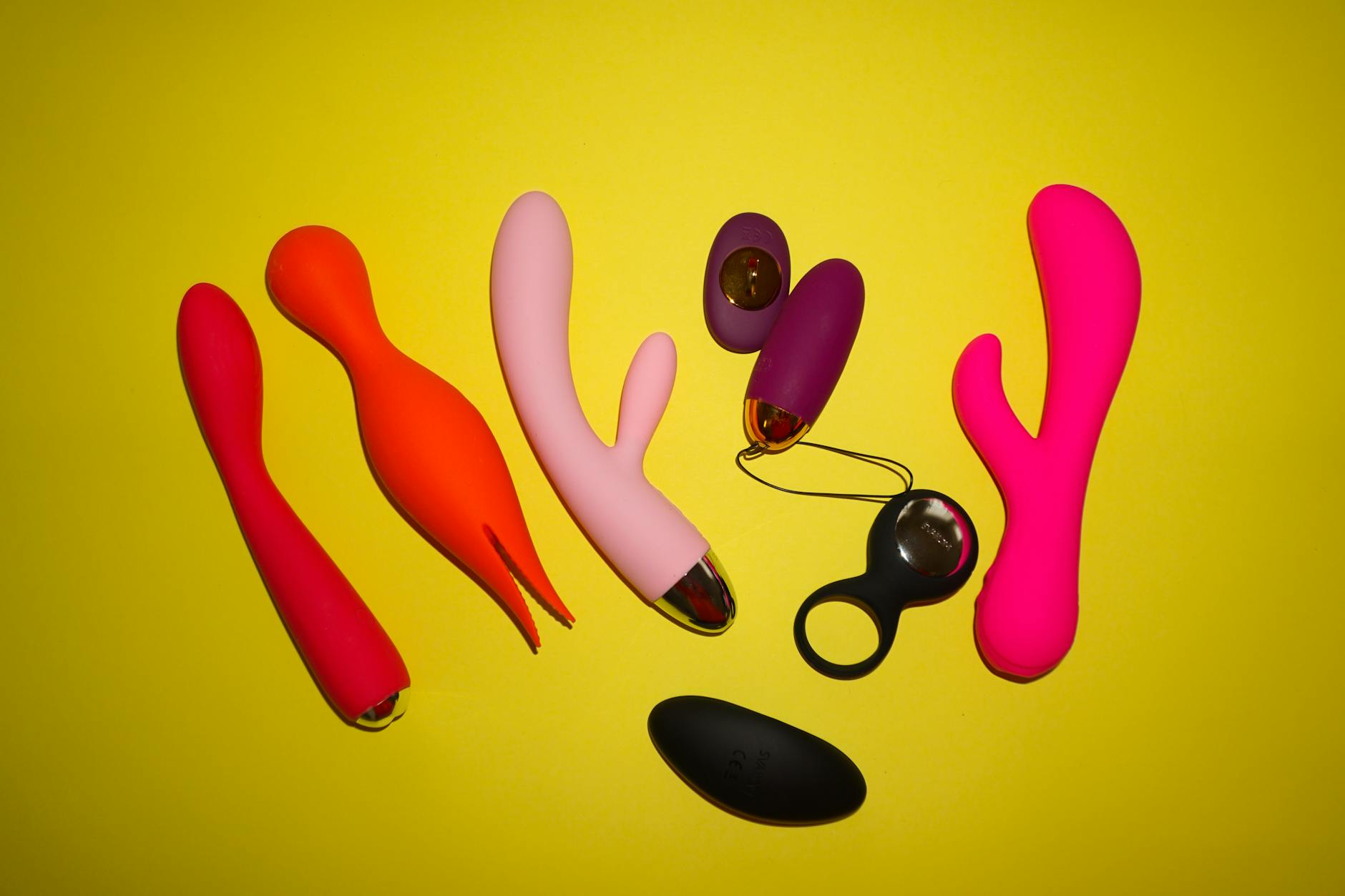
Here's the thing about battery life nobody talks about
When you're shopping for a lemon clitoral vibrator, battery gets shoved to the bottom of the spec sheet. Right below "waterproof" and way below "patterns" or "intensity levels." That's a mistake. Battery life shapes your entire experience. Not just the "oh no, it died" part. The pleasure part.
A vibrator that gives out after 45 minutes changes how you approach yourself. You rush. You worry about the clock. Your nervous system stays half-braced for the battery to quit, which means deeper arousal never quite lands. A vibrator with 90-minute runtime or longer? You forget about power entirely. You sink in. The difference is real, and it's worth understanding before you buy.
Why runtime matters more than you think
Let's get technical for a second, then move on. A lemon vibrator's battery chemistry determines how long it delivers consistent vibration intensity. Lithium-ion batteries (the current gold standard) hold charge better than older NiMH batteries, but the capacity of the cell inside the toy is what determines actual runtime.
Here's what matters: vibrators with shorter batteries often compensate with higher surface-level intensity. They feel strong for 30 minutes, then taper. Vibrators engineered for 90-minute runtimes have larger cells, which means the vibration stays stable from minute one through minute 90. Your body adapts to the sensation, so consistent intensity actually feels better over time than dramatic power that fades.
Another thing: if your vibrator is struggling to maintain power, you're more likely to crank it to the highest setting just to feel it. Higher settings drain batteries faster. It becomes a weird feedback loop. A well-designed lemon clitoral vibrator with solid battery capacity lets you play at medium-to-medium-high settings and still get incredible sensation.
The pleasure angle: why extended sessions matter
Research on arousal patterns shows that sustained stimulation, without interruption, builds deeper neural engagement. Your brain doesn't multitask during pleasure. If part of your attention is monitoring battery level, part of your brain is still in "management mode." It's like trying to meditate while waiting for a phone call.
With a longer-battery lemon vibrator, you don't just get more time. You get permission to slow down. Many people find that orgasm quality improves dramatically when you're not rushing toward climax before power runs out. You can move through different patterns, try different angles, let sensation build in layers.
If you're exploring with a partner, extended battery becomes even more relevant. The disruption of stopping mid-session to recharge interrupts intimacy and momentum. A vibrator that lasts through multiple rounds means you and your partner stay connected without logistical breaks.
Real talk: charge cycles and longevity
Battery capacity also affects how many times you can charge your vibrator before it starts to degrade. A larger-capacity lithium-ion cell can handle more charge cycles (typically 300-500 full cycles) before capacity drops noticeably. A smaller battery dies faster and needs replacing sooner.
If you're using your clitoral vibrator regularly (let's say 3-4 times a week), you'll want a battery that lasts the long haul. After 18-24 months of heavy use, a smaller-battery vibrator might drop from 45 minutes to 30 minutes. A well-sized cell with proper engineering stays near 90 minutes even after years of regular charging. That's not just convenience. That's value.
One practical note: lithium-ion batteries perform best when you don't let them fully drain before charging. If your vibrator has 10-15% battery left, plug it in. This extends the lifespan of charge cycles and keeps your lemon vibrator running at peak performance longer.
How to check battery specs before you buy
Manufacturers don't always advertise runtime prominently. Here's what to look for.
Read the full spec sheet, not just the product headline. Look for language like "up to 90 minutes" or "1.5 hours continuous runtime." If the site doesn't list runtime, that's a red flag. Good vibrator makers are proud of their batteries.
Check the mAh (milliamp-hours) rating if it's available. Higher mAh means larger capacity. A vibrator with a 700mAh battery will run longer than one with 400mAh, all else being equal. This spec isn't always public, but a quick chat with customer service can clarify.
Read reviews specifically mentioning battery life. Real users will tell you if their lemon clitoral vibrator starts fading after a few months or holds strong for years. Ignore reviews that just say "good battery." Look for ones that mention specific timeframes: "still going strong after 18 months" or "started losing runtime around month 10."
Matching battery to your actual use
Honestly, if you're using your vibrator solo once or twice a week, a 45-minute runtime is probably fine. You're not hitting the battery limit.
If you're using it 3-4 times weekly, exploring for extended sessions, or playing with a partner, you want at least 60 minutes. That gives you a comfortable cushion and covers multiple rounds without recharge anxiety.
If you're someone who likes long exploratory sessions, switching between toys, or you simply want a device that'll stay strong for years, 90+ minutes is worth the investment. You're not paying for features you don't use. You're paying for consistent, sustainable performance.
The charging ritual itself matters
A vibrator with longer battery life actually encourages better charging habits. When your toy runs for 90 minutes, you don't need to charge it after every single use. You might charge every 2-3 uses instead. This is better for the battery itself but also creates healthier psychology around the tool.
If you're charging constantly, it becomes a chore. If you're charging once a week, it becomes part of a gentle self-care ritual. You're taking the time to care for something that cares for your pleasure. That shift in mindset matters more than it sounds.
Make sure your vibrator charges via USB or wireless charging (not proprietary plugs). This makes long-term use easier and means you're not scrambling for a weird adapter if you travel.
Real-world scenarios where battery life changes everything
Let's say you're in a long-distance relationship. You and your partner have weekly video time. A vibrator with 90-minute battery means you can play together without interruption. No "hold on, mine's dying." You stay present and connected.
Or you're managing stress through solo sessions. Life is overwhelming. You want to unwind for an hour without thinking about logistics. A well-battered lemon clitoral vibrator lets you sink into pleasure without a clock ticking.
Or you're exploring what actually works for you. Some people need extended time to figure out their rhythm. Shorter battery cuts that exploration short. Longer battery means you get real data about what turns you on, rather than data filtered through "I ran out of power."
The bottom line on lemon vibrators and battery
Battery life isn't a boring spec. It's infrastructure for pleasure. A vibrator engineered for extended runtime gives you freedom. Freedom from worry, freedom to slow down, freedom to explore without a deadline.
When you're comparing lemon clitoral vibrators, spend an extra five minutes reading the battery section. Check mAh. Read a few user reviews about longevity. Ask yourself how often you'll actually use this toy and whether the runtime matches that reality. The cheapest toy isn't always the worst value if it has a solid battery. The most expensive toy isn't automatically better if it's overbuilt for your actual use.
You deserve a vibrator that lasts, performs consistently, and lets you feel pleasure without distraction. Battery life is how you get there.
FAQs
How long should a quality lemon vibrator battery last before losing charge?
A well-designed lithium-ion battery in a clitoral vibrator should hold close to 80-90% of its original capacity after 12-18 months of regular use (2-3 times weekly). After 24 months, you might notice it drops to 70-80% capacity. Degradation accelerates slightly after year two. Full replacement usually isn't needed until year 3-4, depending on use frequency and charging habits. If your vibrator loses 30% of runtime within the first 6 months, there's likely a manufacturing defect.
Is wireless charging better than USB charging for battery life?
Both wireless and USB charging are safe for lithium-ion batteries when properly regulated. Wireless charging does generate slightly more heat, which can marginally shorten battery lifespan over many years, but the difference is negligible for most users. USB charging is more widespread and easier to troubleshoot if something goes wrong. Neither is dramatically better. Choose based on what's more convenient for your lifestyle. If you travel frequently, a USB cable is easier to pack than a wireless pad.
Can you overcharge a lemon clitoral vibrator?
Modern vibrators have smart charging circuits that stop charging once the battery reaches full capacity, so overcharging overnight isn't dangerous. However, leaving your toy plugged in constantly for weeks does gradually stress the battery. If you're charging regularly (which you should), unplug once it's full. If you're storing it for more than a few weeks, charge to about 50% and then let it sit. This extends the lifespan of charge cycles significantly.
Why do some vibrators claim 90 minutes but feel weaker than ones rated at 45 minutes?
Vibration intensity and battery life are separate specs. A vibrator optimized for 90-minute runtime might intentionally run at lower-to-medium intensity to extend battery. One rated for 45 minutes might push higher power output. Intensity is subjective and personal. Read reviews specifically comparing sensation at different power levels. Check the motor specs if available. A larger motor pulls more power and depletes batteries faster. Smaller, more efficient motors last longer but might feel gentler. Neither is universally better. It depends on what your body prefers.
Should you fully drain a vibrator battery before recharging?
No. Modern lithium-ion batteries actually perform better if you charge them before they fully deplete. Charge when your vibrator hits 10-20% remaining battery. Letting it fully die multiple times shortens overall battery lifespan. This is the opposite of old NiCad batteries from decades ago, which needed full drain cycles. Lithium-ion stays healthier with frequent top-ups.
How can you tell if your vibrator battery is dying versus actual hardware failure?
If your vibrator still turns on and vibrates but the runtime has dropped dramatically (from 90 to 30 minutes over a short period), it's battery degradation. If it vibrates weakly no matter the power setting, or if it won't hold a charge at all after a full charge cycle, the battery is likely dead. If it vibrates normally for the first 20 minutes then suddenly stops entirely, the charging circuit might be failing. Contact customer support with the specifics. If your vibrator is under warranty, battery replacement is usually free or inexpensive.
Sources and further reading
Lithium-ion battery longevity in consumer electronics: IEEE Xplore, "Battery Management Systems in Consumer Devices" (2024).
Clitoral physiology and sustained stimulation: The Journal of Sexual Medicine, peer-reviewed research on arousal patterns and interruption effects (2023).
Nervous system engagement during extended sensory sessions: Neuroscience research from UC Berkeley Department of Psychology on sustained attention and pleasure response.
For a complete rundown of lemon vibrators and how to choose one, check out our Ultimate Guide to Lemon Vibrators. And if you have questions about which vibrator might be right for your needs, reach out to Hello Nancy at /contact.