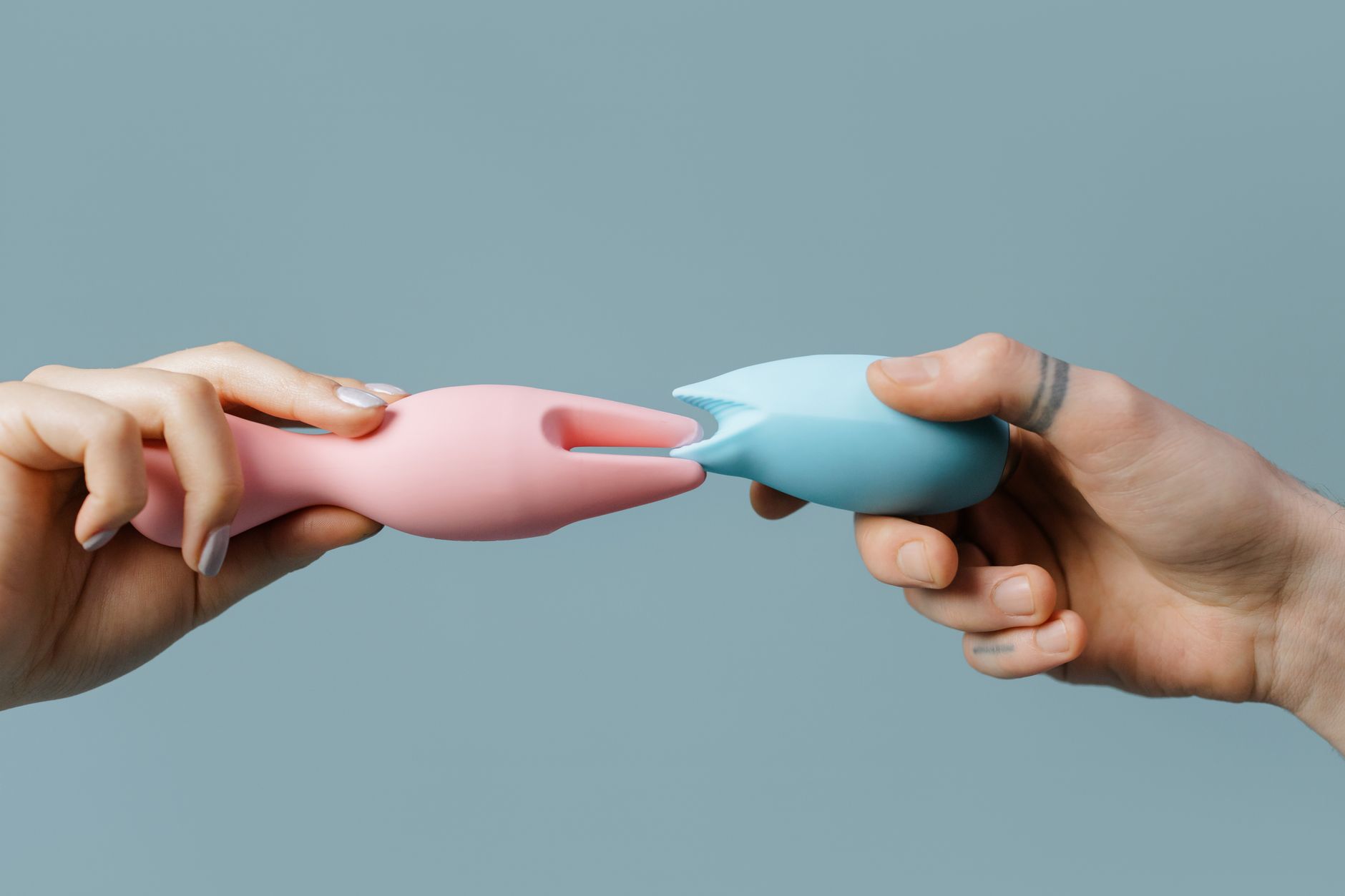
Let's start here: the nerves are normal
One of you brought it up. Now there's this feeling in the room. You're curious, maybe turned on by the idea, but also wondering if it means something. Does it mean they're not satisfied? Are you going to feel replaced? Is this the beginning of something you can't take back?
Honestly? Most couples have some version of this conversation, and most of them find that toys like lemon vibrators actually fix problems they didn't know how to name.
Why couples introduce toys (and it's not what you think)
The reasons people want to bring vibrators into partnered sex almost never have to do with dissatisfaction. They have to do with biology, variation, and the simple fact that human bodies are complicated.
Maybe one of you orgasms more easily through clitoral stimulation than penetration. Maybe you want to extend foreplay but you're both getting tired. Maybe arousal takes longer than it used to and you both want to feel more present instead of performance-focused. Maybe you just want to try something new and sex has started feeling a little rote.
These aren't relationship problems. They're logistics. And lemon clitoral vibrators solve them beautifully because they're designed specifically for external stimulation without requiring penetration or complicated positioning.
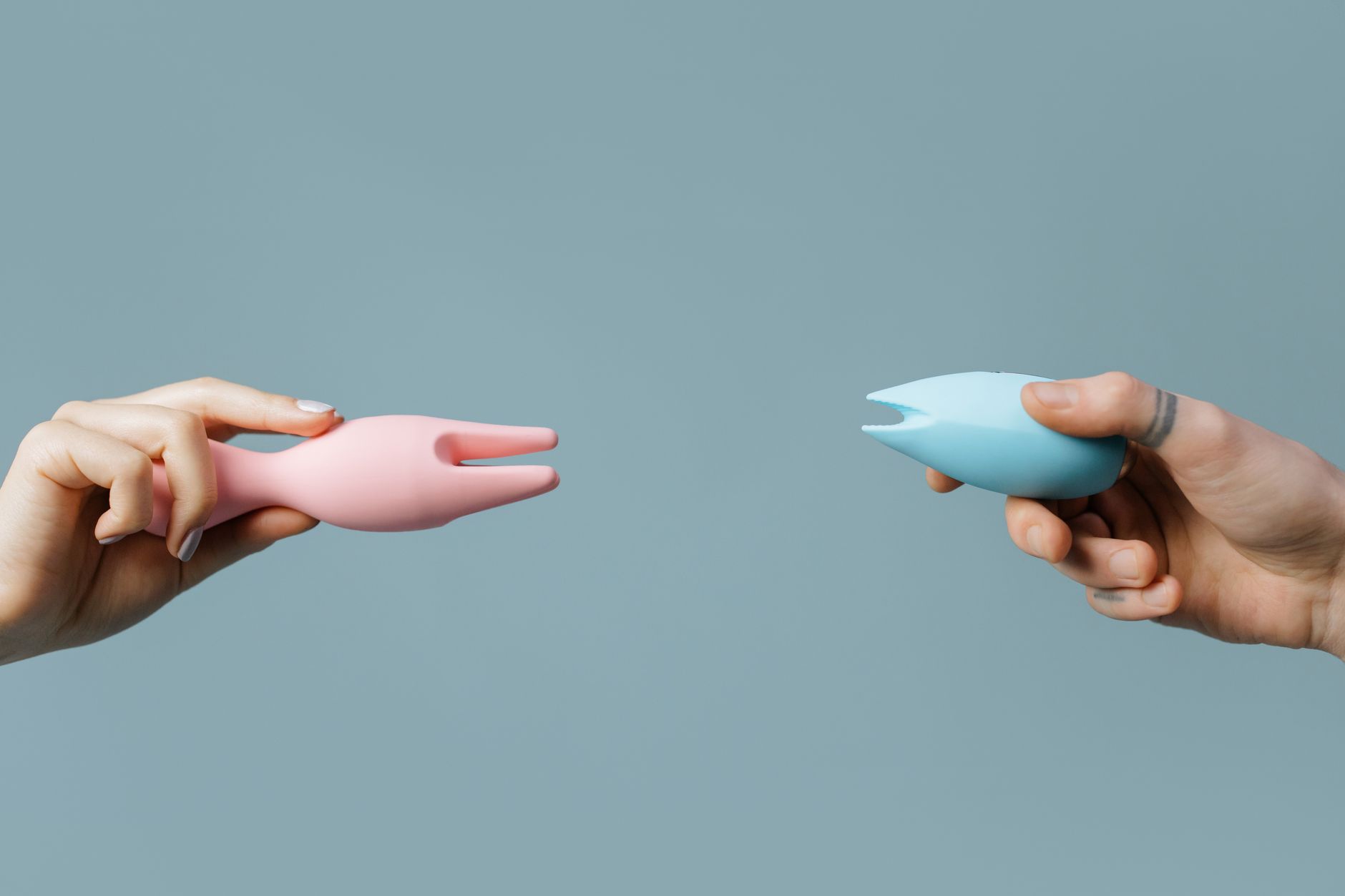
Photo by cottonbro studio on Pexels
The conversation that actually works
If your partner hasn't brought it up yet but you want to, or if they have and you need to respond: the best version of this talk happens outside the bedroom, when you're both clothed and no one is trying to be sexy.
Start with curiosity, not pressure. "I've been thinking about trying something" works. "I found this thing I want to show you" works. "I read that couples sometimes use vibrators and I was curious what you'd think" works.
Then listen. If they're hesitant, ask what's worrying them. Usually it's one of three things: they worry it means you're not satisfied, they worry it means they're not enough, or they worry it'll feel clinical or weird. You can address all three by being specific: "I want this because I love what happens when we experiment together." "I think it might help us both feel better during sex." "I'm curious what you'd think." Not "we have a problem that needs fixing."
If they're enthusiastic, great. But don't rush into buying something that night. Let the idea sit for a day or two. Let them get curious on their own terms.
Picking a lemon vibrator that doesn't feel like a statement
Here's a trap couples fall into: they pick something too intense, too big, or too intimidating as a first experience. The Lem (our lemon clitoral vibrator) works brilliantly for couples because it's compact, intuitive, and the suction sensation feels completely different from fingers or penetration. It's not threatening. It's just another source of stimulation.
When you're picking something together, let each person hold it (with the cap on, obviously). Does it feel comfortable? Can they reach the buttons easily? Does the size feel manageable? If one of you is significantly more nervous, start with a lower intensity setting in mind. You can always turn it up.
Also. Buy the lube together. I know that sounds silly but it changes the dynamic. You're shopping for something you're both going to use. It's practical and shared, which makes it feel less like one person is driving the decision.
The first time: what actually happens
Your first experience together should be one where neither of you is under pressure to perform or come. This is exploration, not a test.
Start by using it on yourself while your partner watches. Seriously. This is less pressure on both of you than trying to coordinate right away, and it lets your partner see what feels good. They learn something about your body. You get comfortable with the toy without an audience in your head.
Then they can try it on you if you want. Start on low. The sensation is immediate and different enough that you'll want time to adjust. Talk to each other. "That feels good" or "lighter pressure" or "try here." The feedback isn't criticism. It's information.
If your partner wants to use it on themselves, same thing. You can be involved or just present. Both are fine.
When your partner uses it and you're watching
This is where some couples get stuck. Watching your partner with a toy can trigger feelings if you're not prepared for them.
Here's what actually helps: remember you're on the same team. You're not in competition with a toy. You're both trying to feel good, and sometimes bodies need different stimulation to get there. If your partner comes faster with the lemon vibrator than they do with you, that's not about you. That's about how clitoral stimulation works.
You can be involved. Guide where they touch themselves. Use your hands or mouth elsewhere. Talk dirty. Hold them. The toy is one tool in a larger experience, not a replacement for you.
If you're still feeling weird about it, say so. Not during sex, but after. "I liked that, but I also felt a little distant" is real feedback and your partner will want to hear it. Couples who talk about the awkward stuff after sex are the ones who actually keep doing it and enjoying it.
Integration (making it part of your regular life)
After the first time, don't put the toy away for six months. Use it again soon, when the newness has worn off enough that you can just enjoy it.
Here's what changes: lemon vibrators become just another part of foreplay. Someone initiates, someone reaches for the toy, someone uses it for five minutes or thirty, depending on the mood. It's not a big thing. It's just what you do sometimes.
Many couples find that once they get past the initial awkwardness, they actually use toys during partnered sex more often than alone. Why? Because sharing it is kind of intimate. You're literally choosing each other's pleasure over solo sensation. That matters.
When it's not working (and what to do)
Sometimes couples try a lemon clitoral vibrator and it just doesn't click. That's okay. It doesn't mean the toy is broken. It might mean the timing wasn't right, the pressure was too much, or the fantasy of doing this together was better than the reality.
If that's happening: first, don't blame the toy. Second, don't blame each other. Third, talk about what didn't work without judgment. "It felt too intense" is different from "I didn't like it." "I felt self-conscious" is different from "you were weird about it." Specificity helps.
Then either adjust (lower settings, more time, different positioning) or try something else. There's no rule that says the first toy has to be the one you keep. How to Use Lemon Vibrators When Your Partner Isn't Interested in Toys covers what happens if only one of you is genuinely enthusiastic, but the starting point here is different. You're both curious. Sometimes curiosity needs a second or third attempt to turn into comfort.
The confidence piece
This is the part nobody talks about. Introducing toys can actually be good for your relationship in ways that have nothing to do with orgasms.
When you can say "I want to try something new" and your partner says yes, something shifts. You're both willing to be a little vulnerable. To ask for what you want. To admit that bodies change and desires shift. That's not a small thing. That's the foundation of sexual connection over time.
If your partner brought this up, they were vulnerable first. Match that. If you brought it up and they said yes, they trusted you. That matters. Let it matter.
What happens next
Most couples find that once toys become part of their sex life, they relax. The pressure to be everything for each other eases a little. You're collaborating instead of performing.
Some couples find their favorite lemon vibrator and stick with it for years. Some experiment. Some use toys sometimes and not others depending on the mood. All of that is completely normal.
The main thing: this doesn't have to be a big conversation or a big commitment. It can just be something you try and see what happens. If you want to talk through it more, How to Use Lemon Vibrators With a Skeptical Partner for Couples Play goes deeper into managing doubt. But for right now, your partner is ready. You're curious. That's enough.
People also ask
Will using a lemon vibrator together change our sex life?
Probably, yes. Not in a scary way. In the way that trying anything new changes sex. You might find you have longer foreplay. You might find you're both more relaxed. You might discover that clitoral stimulation feels better than you thought. Or you might use it a few times and then go back to what you normally do. Either way, you've added an option. That's good.
What if one of us wants to use it and the other doesn't?
Then you don't have to do it together. Some couples use toys solo and mention it casually. Some couples use toys together sometimes and separately other times. There's no rule that says both partners have to be equally enthusiastic about every tool. If one of you genuinely doesn't want to participate, that's fine. Respect that. But also figure out if it's genuine discomfort or just nervousness, because sometimes a gentle second or third conversation helps.
How often should we use a lemon clitoral vibrator as a couple?
Whatever feels natural. Some couples use them almost every time they have sex. Some use them once a month. Some use them in a burst (like every night for a week) and then don't touch them for months. There's no frequency that's "right." You're looking for what works for you both, not what some guide says you should be doing.
What if using the toy makes me feel insecure?
That feeling is common and worth sitting with. Ask yourself specifically what's triggering it. Is it feeling like the toy is better than you? That's often about how quickly your partner comes with stimulation, not about replacement. Is it feeling like your partner doesn't want you? That usually comes from watching and feeling left out, which changes if you stay involved. Is it something else entirely? That's worth exploring with your partner, because How to Use Lemon Vibrators for Better Orgasms When You Have Anxiety During Sex covers some of these feelings in more depth. But the simple version: tell your partner. Don't suffer silently.
Can we use a lemon sucker vibrator if we've never used toys before?
Absolutely. Lemon vibrators are actually great entry toys for couples because they're straightforward, not intimidating, and the sensation is immediately understandable. You don't need experience or a huge collection. Start with one simple toy and go from there.
What if we buy one and don't like it?
Then you've learned something. You've also opened a conversation with your partner about what you actually want. That's valuable even if the specific toy doesn't land. Some couples find that the first toy they try isn't the right one, but the act of trying together was exactly what they needed. Give yourself permission to experiment without it being perfect the first time.