Here's the thing about sensory sensitivity in couples
Sensory overload isn't about prudishness or low desire. It's neurology. Some people's nervous systems process touch more intensely, more quickly, or in ways that feel chaotic rather than pleasurable. Add a vibrating toy, and suddenly the sensation that thrills one partner becomes overwhelming for the other. The irony: many people with sensory sensitivity actually crave pleasure deeply. They just need it calibrated differently.
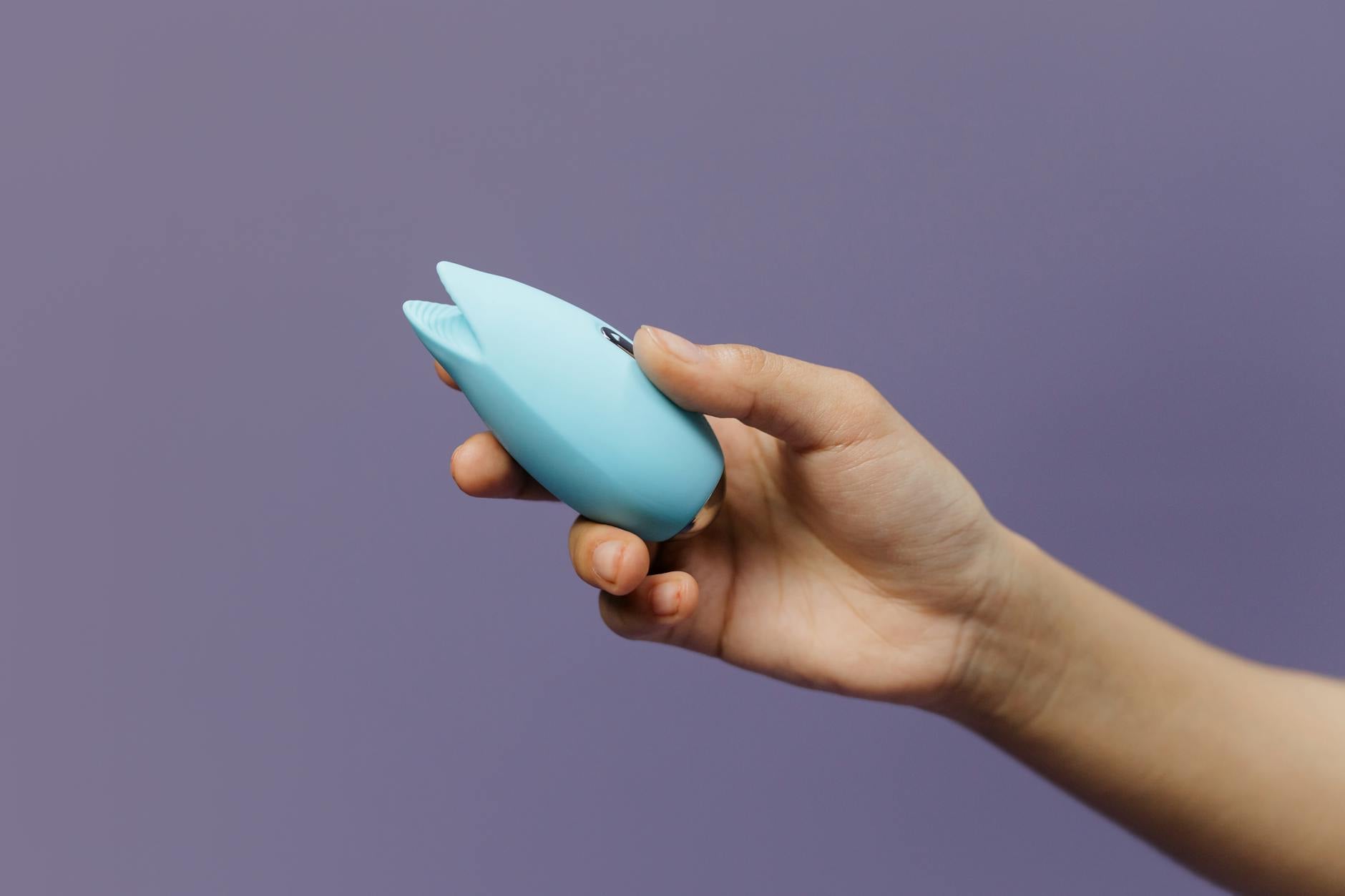
Lemon vibrators like the Lem are brilliant for this because they're designed with adjustable intensity and precise, concentrated stimulation. But without the right approach, even a lower setting can feel jarring. This post walks you through how to use lemon sexual toys as a bridge to shared pleasure when one or both partners have sensory sensitivities.
What sensory sensitivity actually means
Let's separate myth from reality. Sensory sensitivity isn't a disorder requiring medical intervention (though sometimes it overlaps with ADHD, autism, or anxiety, which can shape how touch lands). It's a variation in nervous system response. Some people have a lower threshold before sensation shifts from pleasant to painful. Others find repetitive stimulation depleting rather than building. Still others need longer integration time between different types of touch.
When it comes to clitoral vibrators, sensitivity often means:
- Lower intensity feels just right; higher settings feel scratchy or painful
- Continuous vibration gets boring or numbing faster than you'd expect
- Direct contact on the clitoris causes overstimulation, but stimulation around it feels great
- Mental and physical arousal need to sync tightly, or the body shuts down
- Sensation accumulates, and stopping feels as important as starting
Understanding this frame changes everything. You're not accommodating a limitation. You're matching the nervous system's actual rhythm.
The conversation to have before you start
This is the foundation. Ask your partner directly: "When you feel overstimulated, what does that actually feel like?" Not "Does vibration bother you?" but specifics. Does the sensation feel electric, numb, too loud, too fast, too concentrated? Does it hit suddenly or build? Does it fade quickly or linger?
Ask too: "What type of touch actually feels good right now?" Light stroking, sustained pressure, intermittent contact, warmth, texture change. People with sensory sensitivities often know their optimal input better than anyone else. Let them lead.
Then talk about lemon clitoral vibrators specifically. Most people with sensory sensitivity haven't tried one, and the idea of a vibrating toy can feel intimidating. Reframe it. The Lem uses air-suction technology rather than direct vibration, which concentrates sensation differently than traditional vibrators. It often feels less scattered. Worth trying.
Set a boundary together: "If this doesn't feel good, we stop. No awkwardness, no pushing through." This removes the pressure that often locks partners' bodies into defensive mode.
How to introduce a lemon vibrator gradually
Don't leap straight to arousal. Start with curiosity. Let your partner hold it, feel its weight, see the settings. Show them the intensity options. Many lemon clitoral vibrators have 5-7 settings. People with sensory sensitivity often gravitate toward setting 1 or 2, even though they might hear that's "not enough." It's exactly enough.
If your partner is the person with sensitivity, try using the toy on yourself first while they watch. No performance, no pressure. Just familiar. "See how quiet it is? This is what I'm going to feel." Demystifies it.
When you do introduce touch, start on their arm or thigh. Not genital yet. Let the nervous system acclimate to the sensation without the amplified activation that happens in sensitive areas. Two minutes. That's it. Notice: does the sensation feel cleaner over skin versus hair? Does a few seconds of contact feel better than sustained pressure?
Adjusting technique for sensory sensitivity
Once you're working with a lemon vibrator together, a few shifts make the difference.
Start lower than you think. If your partner wants to explore setting 3, start at setting 1. Intensity can increase. Nervous systems that feel overwhelmed rarely relax enough to find pleasure at that session.
Use the vibrator around the clitoris, not directly on it. Air-suction toys like lemon sexual toys concentrate sensation in a smaller area than you might expect. If direct contact feels too much, shift the angle slightly. Stimulate the mons, the labia, the inner thigh. Build arousal in the surrounding area first.
Alternate on and off. Five seconds of stimulation, five seconds of a break. This prevents the nervous system from getting trapped in an overstimulated loop. Your partner's brain gets time to process, sensation resets. After a few cycles, you might extend to ten seconds on, three seconds off. Let them signal when rhythm feels right.
Combine with skin contact. Have your other hand on their thigh, chest, or neck with steady, light pressure. This grounds the nervous system while the vibrator is working. Sensory sensitivity often improves when there's a "safe" touch anchoring the experience.
Watch for the shift, not the orgasm. Arousal for people with sensory sensitivities often looks different. Instead of escalating pleasure, you might notice: breathing deepens, muscles relax, they move slightly into the toy rather than away. That's the signal to maintain what you're doing. Don't chase intensity. Chase that softening.
When to pause or stop
Learn the physical signs of overstimulation. Jerky movements, sudden breath-holding, tensing, or pulling away are obvious ones. But also watch for going silent (some people go quiet when they're overwhelmed), pupils dilating sharply, or a shift in skin color. If you see any of these, pause. Ask: "Still good?" If the answer is no or uncertain, stop.
The pause doesn't mean you failed. It means you're reading your partner. That's the whole skill.
Some people benefit from a "safe word" or a simple hand-signal system. Your partner can raise their hand if overstimulation is building and they need to recalibrate before stopping fully. This keeps agency in their hands and removes the need for you to guess.
After sensory overload, what helps
If overstimulation does happen, the recovery matters as much as what came before. Stop the vibration immediately. Keep your hands on their body with steady, light pressure. Don't talk. Just breathe. Twenty seconds to a minute. Let their nervous system downregulate.
Then ask: "What do you need right now?" Sometimes it's continued gentle touch. Sometimes it's space. Sometimes it's a drink of water or a moment alone. Honor it.
Don't spiral into guilt or shame. Overstimulation is data. It tells you where the edge is so you can work closer to it next time, not at it.
Reframing pleasure with sensory sensitivity
Here's what shifts when you work with sensitivity rather than against it: pleasure often deepens. When you stop chasing climax and start following what actually feels good in your partner's body, orgasm often comes anyway. And it's usually more integrated, less frantic.
Many people with sensory sensitivities report their best sexual experiences happen when their partner learns their calibration. Not because the toy is different. Because the attention is different.
Using a lemon clitoral vibrator with a partner who has sensory sensitivity isn't a workaround. It's an invitation to slow down, listen, and build pleasure together in a way that actually fits both of your bodies.
People also ask
Can sensory sensitivity get worse if you use vibrators regularly?
No. Sensation can adapt over time, but adaptation isn't deterioration. Some people find that regular, gentle use of clitoral vibrators actually helps their nervous system differentiate between stimulation types. They learn: this intensity feels good, that one doesn't. Over weeks, their range sometimes expands. The key is respecting where the edge is now, not pushing past it hoping something changes.
Is sensory sensitivity the same as low libido?
Completely different. Your partner might have high desire but low tolerance for intense sensation. The Lem and other lemon sexual toys work well here because you can meet desire with calibrated intensity. Low libido is usually about interest or arousal capacity, not sensation processing. If both are present, that's worth exploring separately—with a therapist or healthcare provider if needed.
What if my partner doesn't want to tell me their sensitivity details?
That's information too. Some people feel shame about sensory needs or worry you'll feel rejected. Start smaller: "I've noticed this sometimes, and I want to figure out what helps." Invite them in without interrogation. Let them lead the conversation. Trust builds slowly, especially around touch.
Can lemon vibrators help train someone's sensitivity to increase?
Sometimes. Regular, controlled stimulation at a consistent low intensity can help some nervous systems become more resilient over time. But this isn't training in the gym sense. There's no "working through" sensory sensitivity. Some people find that gentle, predictable vibration actually helps them relax into sensation. Others don't. The individual nervous system decides.
How do I know if it's sensory sensitivity or if my partner just isn't enjoying the toy?
Ask directly. "Does this feel uncomfortable, or does it just not feel good?" There's a difference. Discomfort is overstimulation. Not feeling good might be wrong angle, wrong intensity, or wrong moment in their cycle. Discomfort is a hard stop. Not feeling good is worth troubleshooting together.
What if we're both learning about sensory sensitivity for the first time?
That's actually an advantage. You're not working against old assumptions. Start slow, communicate often, and keep a light touch. When both partners are discovering how their bodies respond to lemon clitoral vibrators, patience compounds. Give yourself permission to be awkward. You're building the skill together.
The bottom line
Sensory sensitivity in couples isn't a barrier to shared pleasure. It's a map. When you read it carefully—through conversation, observation, and experimentation with a toy calibrated for nuance like a lemon vibrator—you often find pleasure that's deeper and more connected than you'd have discovered rushing.
If you're ready to explore this with your partner, start with conversation. The toy comes after trust.