Let's start with the real part
If sex hurts, you're not alone. And you're not broken. Pain during sex is remarkably common, and it's also one of the things people are least likely to talk about—which means most people assume it's either something they have to accept or something shameful.
It's neither. Pain is information. Your body is telling you something needs to change, and that's actually useful data.
Why lemon vibrators work differently when penetration hurts
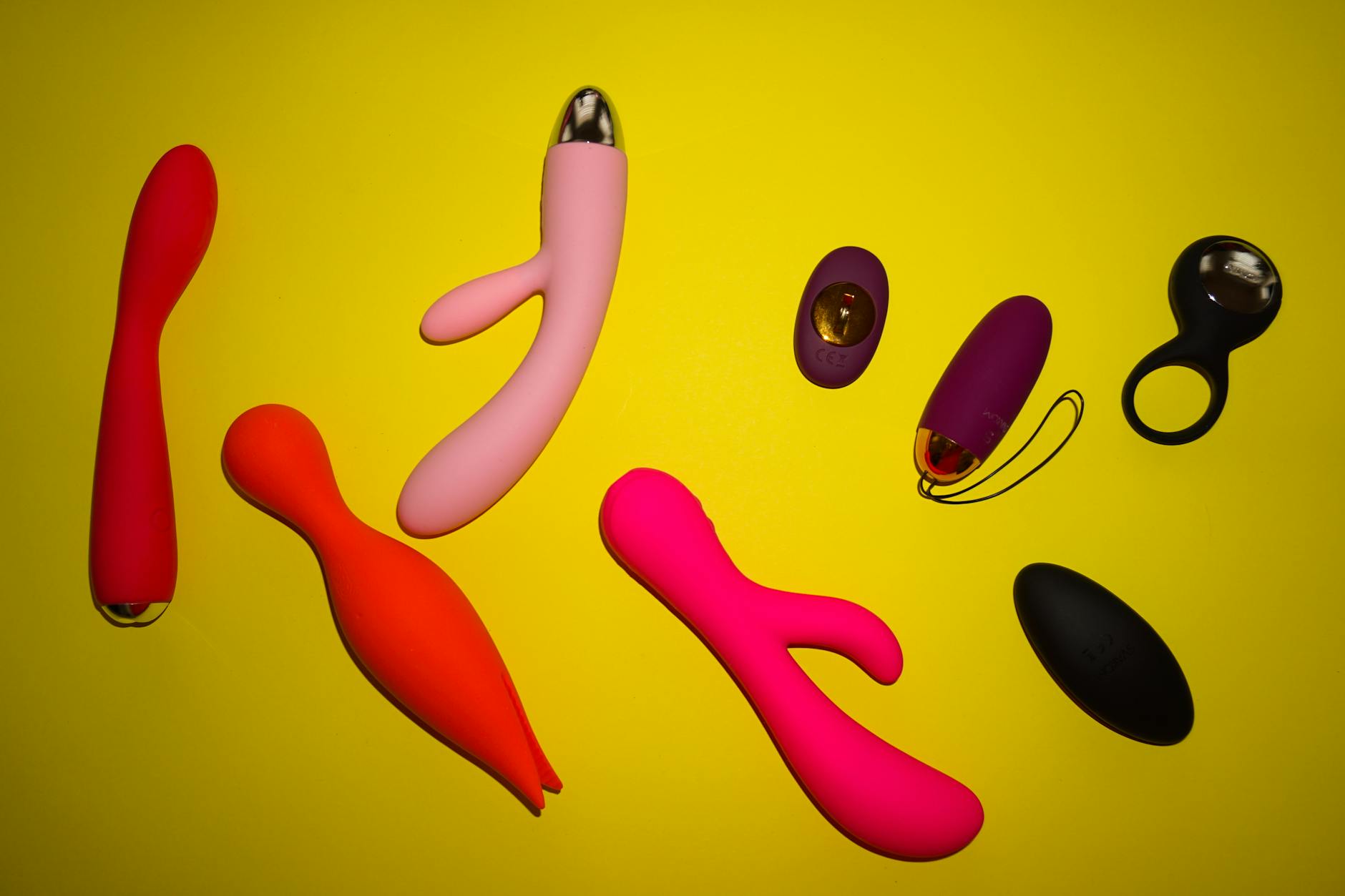
When intercourse causes pain, the instinct is often to avoid sex altogether. But that's not the only option. Lemon clitoral vibrators—particularly suction-based designs like lemon vibrators—remove penetration from the equation entirely while delivering intense, focused pleasure.
Here's the mechanical difference that matters: traditional vibrators create friction through oscillation. That vibration travels through tissue and can aggravate already-sensitive areas. Suction toys like the Lem work through gentle negative pressure instead. They stimulate the thousands of nerve endings in the clitoris without the abrading motion that makes pain worse.
For people experiencing vulva pain, endometriosis, vaginismus, or recovery from gynecological procedures, this distinction is everything. You get orgasms. You get pleasure. You don't trigger pain.
The physical mechanics of where the pain actually is
Pain during sex can come from several places, and your lemon vibrator strategy changes depending on where it's happening.
Superficial pain at the opening typically comes from tension, dryness, or inflammation. Lemon sexual toys that focus stimulation on the external clitoris avoid the opening entirely, which is exactly what you need. Start with longer warm-up time—15 to 25 minutes—to allow natural lubrication, and use a water-based lubricant regardless of how much your body is producing.
Deep pain during penetration is different. If this is your issue, external-only stimulation with a lemon vibrator becomes your primary path to pleasure while you figure out what's causing the depth pain. It might be endometriosis, pelvic floor dysfunction, or adhesions from surgery. A pelvic floor specialist (not a general gynecologist—the credentials matter here) can help identify it.
Burning or stinging sensations often point to vulvodynia or dermatological issues. Again, keeping stimulation external through lemon clitoral vibrators keeps you safe while you work with a specialist. Don't push through burning.
When to see a specialist before experimenting
I'm going to be direct: if you've never talked to a doctor about the pain, do that first. Not because there's necessarily something "wrong" with you, but because some pain sources are straightforward to treat once identified.
Genitourinary syndrome of menopause? Topical estrogen cream, works in weeks. Vaginismus? Pelvic floor physical therapy plus graduated dilation work really well. Endometriosis? There are options. The point is: don't assume the pain is permanent or that you just have to live with it.
A pelvic floor physical therapist is honestly worth its weight in gold if your pain involves tension. They teach you how to actually relax muscles you've been clenching involuntarily, which changes everything.
How to use lemon vibrators when pain is part of your landscape
Four practical adjustments:
1. Start external only. Don't introduce penetration until you're already having reliable pleasure from clitoral stimulation alone. Once you know you can orgasm without pain, you have a baseline. Then you can experiment with what adding penetration (if you want to) does to that baseline.
2. Use lubrication as a comfort tool, not an embarrassment. Water-based lube reduces friction and can calm inflammation. Silicone-based lube feels richer and lasts longer but can damage silicone toys, so stick with water-based if you're using lemon adult toys.
3. Build arousal more slowly than feels natural. Pain often contracts pelvic floor muscles involuntarily. Slow arousal—20 minutes instead of 10—gives your nervous system time to fully relax. Your body won't tense up if it hasn't been rushed.
4. Learn what pressure and pattern feel safe. Most lemon vibrators have intensity settings. Start at the lowest and stay there for several sessions before adjusting. You're teaching your nervous system that this specific stimulation is safe.
The psychological layer you can't skip
Here's what happens with painful sex: your brain learns to anticipate pain, and anticipation itself triggers muscle tension, which amplifies pain, which deepens the anticipation. It's a feedback loop.
Breaking that loop requires two things. One is the physical change—using a lemon clitoral vibrator in a way that removes the pain trigger. The other is permission: explicitly deciding that this time, you're exploring pleasure without performance pressure or penetration goals.
If you have a partner, tell them what you're doing and why. "I'm using a lem vibrator to explore what feels good without pain" is a complete sentence. It's not rejection. It's actually the opposite—it's you taking responsibility for your own pleasure and inviting them to witness it, not fix it.
When pain is rooted in trauma or fear
Sometimes pain during sex isn't medical at all—it's neurological. Your nervous system learned that sex means pain (whether from past trauma, medical procedures, or even just years of forced participation in painful sex), and now it tightens automatically.
Lemon vibrators alone won't solve that, but they can be part of the solution. The advantage is that you're in complete control. You set the pace. You decide when to stop. You're building a new association between sexual stimulation and safety instead of pain.
A trauma-informed therapist or somatic practitioner can help here too. You don't have to white-knuckle through this alone.
The partner conversation when sex hurts
If you're in a relationship, this is important: painful sex often creates distance because neither partner knows how to talk about it. The person experiencing pain feels broken or guilty. The partner feels rejected or responsible.
Neither is true. Pain is medical information, not a relationship problem—though it definitely becomes a relationship problem if you ignore it and start resenting each other.
The conversation isn't "I'm broken and we need to fix me." It's "My body is telling me something needs to change. I'd like to explore pleasure differently for a while, and here's what that looks like." Using a lemon vibrator externally is one of the clearest ways to redirect intimacy without removing it.
When to consider taking a break from partnered sex entirely
Sometimes the kindest thing you can do for your relationship is pause. Not forever. Just long enough to figure out what's actually happening and remove the cycle of pain and disappointment.
During that time, lemon sexual toys become a way to stay connected to your own pleasure and your own body. Orgasms still matter. Your capacity for sensation still matters. You're not broken just because partnered sex hurts right now.
The break often makes you a better partner anyway, because you show up without fear or resentment.
Practical steps to start this week
If you're ready to experiment: invest in a quality lemon clitoral vibrator and a bottle of water-based lubricant. Set aside 30 minutes when you won't be interrupted. Use the lubricant even if you think you don't need it—it's a tool, not a sign of failure.
Start your lemon vibrator on the lowest setting and focus on what feels good, not on reaching orgasm. The goal is information, not performance. If pain appears, stop immediately and notice what triggered it. That's useful data.
If your body feels safe, add a little more intensity. If it doesn't, that's useful too. You're learning your body's actual boundaries, not the ones you thought you had.
People also ask
Can using lemon vibrators make pain worse?
Not if you start slowly and listen to your body. If a particular vibration pattern or intensity makes pain worse, stop using it. But external clitoral stimulation with a lem vibrator is significantly gentler than penetrative sex, so most people find the opposite—they can access pleasure they couldn't before.
How long does it take to stop feeling pain during sex?
It depends on the cause. If it's dryness or vaginismus, improvement can happen in weeks with proper treatment. If it's endometriosis or trauma-related, it takes longer. But the interesting part is that using lemon clitoral vibrators to access pleasure independently doesn't require waiting for pain to disappear first. You can have both—pain and pleasure—happening separately.
Should I tell my partner I'm using a lemon vibrator for pain relief?
If you're in a monogamous relationship, yes. You don't need to turn it into a big conversation—"My body's been sore, so I'm exploring what feels good with a toy" is straightforward and honest. If they feel threatened, that's a separate conversation worth having, ideally with a couples therapist.
Are suction vibrators safer than regular vibrators when you have pain?
They're different, not inherently safer. Suction vibrators like the Lem create different sensations than traditional vibrators. For people with vulva pain, endometriosis, or pelvic floor tension, many find suction more comfortable because there's no friction. But individual bodies vary. What matters is finding what your body tolerates well.
Can pain during sex be completely psychological?
Yes and no. Pain is always real neurologically, whether the trigger is physical (tissue damage, inflammation) or psychological (fear, trauma, anticipation). But treating one doesn't mean ignoring the other. A therapist helps the psychological part. A pelvic floor specialist helps the physical part. Usually both matter.
What if pain is only during certain positions or activities?
That's actually very helpful information. It tells you exactly which movements trigger the response. Use lemon vibrators for the pleasure part and keep your partnered sex in positions that don't hurt. You're not giving up sex. You're being strategic about which parts of sex feel good right now.
If you're ready to explore what feels good without pain, or if you want to talk through what's happening in your body, reach out. You deserve pleasure that doesn't come with a side of suffering.