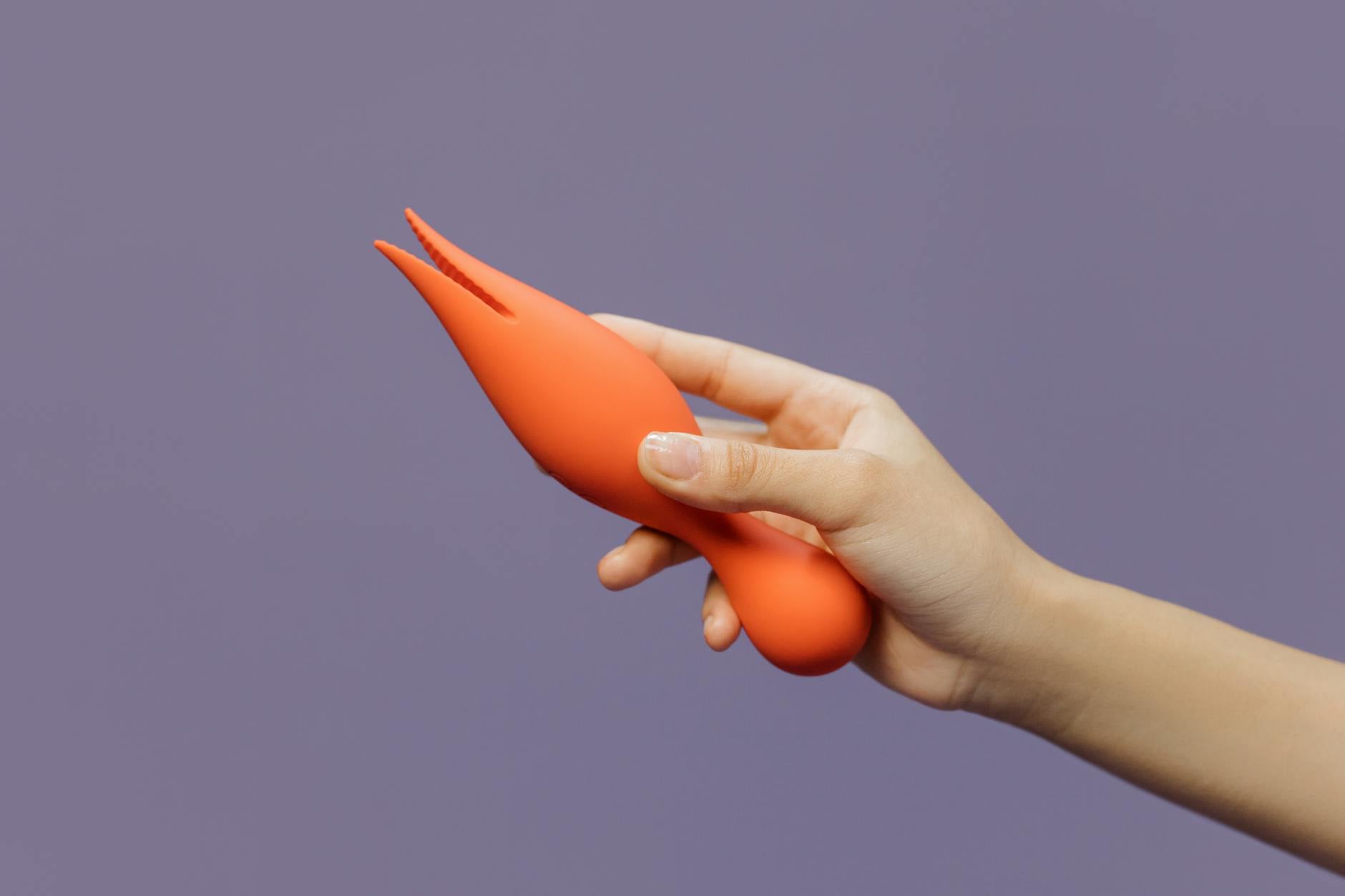
Let's talk about the maddening part
Your body used to respond a certain way. You knew the pattern. Then something shifted. Maybe it was gradual. Maybe it happened overnight. Now what used to work stops working, then works again, then doesn't. You're left wondering if you've broken something or if your lemon vibrator itself is the problem.
Neither. Your sensation is fluctuating, and that's wildly normal. It's also fixable once you understand why it's happening and how to adapt your approach.
What actually causes sensation to shift
Sensation isn't static. It responds to at least five things your body is doing right now.
Hormonal cycles. Estrogen and testosterone levels shift throughout the month (or longer if you're on hormonal birth control). Higher estrogen increases blood flow to the genitals, which amplifies sensation. Lower estrogen makes tissue less reactive. If you track your cycle, you might notice sensation peaks mid-cycle and dips during certain phases.
Stress and cortisol. When your nervous system is activated, blood diverts away from pleasure zones and toward your muscles and brain. High stress literally numbs you. This is why you might feel nothing with a lemon clitoral vibrator when you're anxious about work but everything hits during a calm weekend.
Medications. Antidepressants, birth control, blood pressure meds, and antihistamines can all dull sensation. This isn't a personal failure. It's a side effect. If you've recently started something new, sensation changes often trail the prescription by weeks or months.
Sleep and recovery. Your nervous system needs rest to feel pleasure sharply. Sleep deprivation literally dampens nerve response. Two weeks of bad sleep will flatten your sensation more reliably than almost anything else.
Pelvic floor tension. Chronic tension grips the nerves in the pelvic floor, which blocks signal transmission. The tighter you are, the less you feel. This creates a cruel feedback loop: you don't feel it, you tense up more, now you feel even less.
Why your lemon vibrator might feel different on different days
The device itself is consistent. Your nervous system isn't. A lemon suction toy delivers the same pattern every time. Your body's ability to receive that signal changes daily based on the five factors above.
This is especially true with suction-based stimulation. Suction works by creating negative pressure that gently pulls the clitoral tissue. If your tissue is swollen (high estrogen day, well-hydrated), you'll feel the suction more intensely. If tissue is thinner or less responsive (stress day, low-estrogen phase, sleep-deprived), the same pattern feels muted.
It doesn't mean the toy is broken. It means you're reading your body's feedback correctly. That's actually good self-awareness.
How to adapt when sensation fluctuates
Map your own patterns first. For two weeks, notice your sensation without judgment. What time of day? What phase of your cycle (if applicable)? How much sleep did you get? What's your stress level? You're building a personal data set, not seeking perfection. The goal is to see where your peaks and dips actually land.
Start lower than you think you need to. If sensation is fluctuating wildly, begin every session at pattern 1 on your lemon vibrator, even if you usually go to pattern 4. This prevents overstimulation on low-sensation days and gives you room to build on high-sensation days. You're meeting your body where it actually is, not where you wish it were.
Extend warm-up time when sensation feels dull. On low-sensation days, spend 15-25 minutes with slow touch, breathing, and mental focus before you introduce the vibrator at all. Mental arousal primes the nervous system. Physical arousal without mental arousal leaves you stuck. Flip the order sometimes.
Use lubrication strategically. On days when sensation feels muted, a water-based lubricant can actually increase it by improving the seal and suction contact. On days when you're hypersensitive, skipping lube or using less might feel better. Test both.
Notice your pelvic floor. High tension days usually correlate with lower sensation. Before using a lemon clitoral vibrator, try this: breathe in through your nose for four counts, then exhale through your mouth for six counts. Focus on relaxing your pelvic floor muscles (the ones you'd use to stop urination midstream) on the exhale. Do this five to ten times. You might feel a noticeable shift in sensation.
Vary your stimulation pattern. If pattern 3 feels dead on Monday, pattern 2 might feel perfect on Tuesday. Don't assume you know what will work. Experiment within your lemon vibrator's range before deciding the sensation loss is permanent.
When fluctuation signals something worth addressing
Fluctuating sensation within a normal range is fine. Complete numbness for weeks is worth investigating.
If sensation has been muted for more than two weeks regardless of your cycle, stress level, or sleep, talk to a doctor. Medications might need adjusting. Pelvic floor tension might need physical therapy. Hormonal imbalances might need testing. This is treatable. You just need the right person to diagnose it.
Similarly, if fluctuation has become anxiety-inducing. You're spending more mental energy worrying about whether sensation will show up than enjoying what's happening. That's a sign to slow down and, possibly, work with a therapist on the anxiety piece separate from the pleasure piece.
The unexpected gift of fluctuation
Here's what I notice with clients who learn to work with fluctuation instead of fighting it. They become less dependent on one specific pattern or intensity. They develop curiosity instead of frustration. They stop performing pleasure and start actually feeling it.
Fluctuation forces you to tune in. It removes autopilot. That's uncomfortable at first. But it also means your best orgasms might be ahead of you, not behind you, because you're learning to listen to your body instead of ignoring it when it changes.
Your lemon vibrator isn't the variable. You're not broken. Your nervous system is doing exactly what it should: responding to stress, hormones, sleep, and time. The work is learning to flow with that instead of expecting your body to operate like a machine.
Common questions about fluctuating sensation
Why does my sensation feel sharper at different times of day?
Circadian rhythm affects arousal. Cortisol is highest in the morning, which activates your stress system. By evening, cortisol drops and your parasympathetic nervous system (the rest-and-recover one) activates. You're literally more able to feel pleasure at night. Afternoon can be a sweet spot for some bodies too. Track when you feel most responsive and schedule accordingly.
Can hormonal birth control cause sensation fluctuation?
Yes. Hormonal contraceptives suppress your natural cycle, which can flatten sensation overall or create a different kind of fluctuation than you had before. This is frustrating but not permanent. It takes about three months to know if a specific pill or patch works for your pleasure. If it doesn't after three months, try a different formulation or method.
Is fluctuating sensation a sign that lemon vibrators aren't for me?
No. Fluctuation happens with any stimulation. Suction toys like lemon clitoral vibrators are actually gentler during low-sensation phases because they don't require firm direct contact. If you've been using them and sensation fluctuates, stay with it. The tool isn't the problem.
Should I try stronger patterns on days when I feel numb?
Countintuitive but no. Jump to intense patterns when sensation is low, and you train your body to need intensity. Instead, lower the intensity and increase the duration. Longer sessions at lower levels often produce better results on flat-sensation days than shorter sessions at maximum power.
What if my partner notices the fluctuation and takes it personally?
This is worth a separate conversation with your partner. Frame it as information, not rejection. "My body's sensation naturally fluctuates with my cycle and stress. Sometimes I need more warm-up. Sometimes I need a different pattern. This isn't about you or our connection. It's about my nervous system being honest." Most partners respond well when they understand it's not their fault.
Can I use lemon vibrators during high-stress periods when sensation is really low?
Absolutely. Sometimes pleasure is the best thing for a stressed nervous system. But shift your intention. Don't aim for orgasm. Aim for five minutes of relaxation. Lower expectations often paradoxically make sensation sharper because you're not pressuring yourself.
The baseline truth
Your body isn't broken. Your sensation isn't gone. It's responsive. That's the feature, not the bug. Once you stop expecting your pleasure to be consistent and instead expect it to be intelligent, fluctuation stops being something you're fighting and becomes something you're working with.
Your lemon vibrator will feel different on different days. That's the point. You're learning to feel your own patterns. That's the deepest kind of pleasure literacy there is.