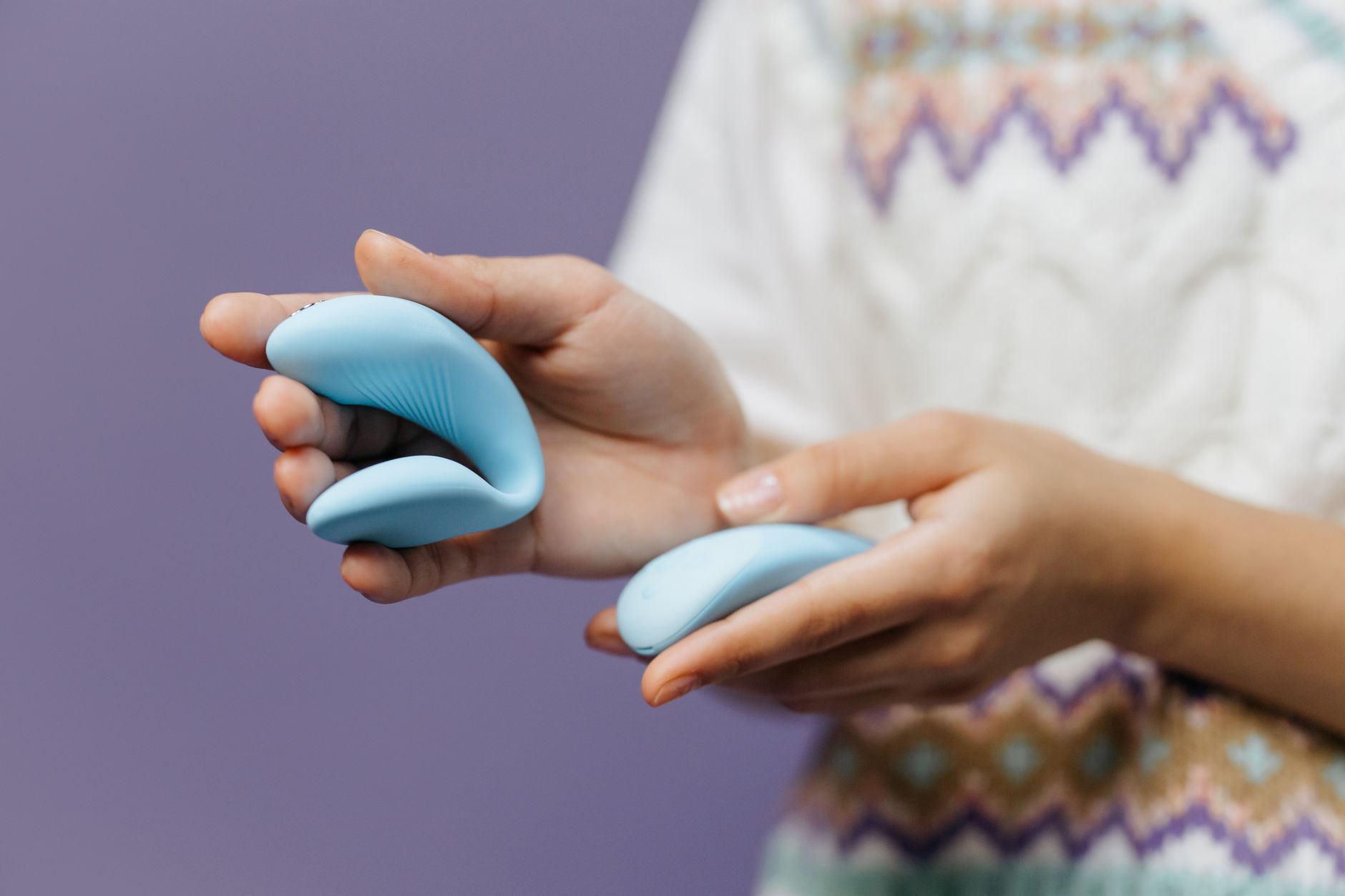
Here's the thing about coming back
After a long pause, sex doesn't just pick up where it left off. Your body has changed. Your mind has definitely changed. And that's not a problem to solve. It's information.
Whether the break happened because of life chaos, relationship shift, health stuff, or just because you needed it. The return doesn't have to be awkward or loaded with pressure. Lemon clitoral vibrators are quietly one of the best tools for making that transition feel less like you're getting back on a bicycle and more like you're discovering something new together.
I'm going to walk you through why, and exactly how to use lemon vibrators to rebuild sensation, confidence, and pleasure when you're stepping back in.
Why sensation feels different after time away
Your nervous system has memory. When you're not sexually active for a while, your body's arousal pathways don't exactly forget. But they do go quiet. Blood flow patterns shift. The neural connections that fire up during arousal take longer to activate. This isn't damage. It's just what happens when a system goes dormant.
Meanwhile, your brain is running its own story. If the break came after loss or hurt, there's often grief underneath the desire to restart. If it's been years, you might have anxiety about whether your body still "works" the way it used to. Both are normal. Neither one means you can't come back.
Lemon vibrators are specifically helpful here because they skip the friction stage entirely. With a suction-based clitoral stimulator, you don't need the same warm-up time or the same arousal ramp that traditional vibrators require. The sensation is different, more immediate, and for someone restarting, that often feels safer.
Starting with realistic expectations
The first time back won't be your best time. That's not failure. That's biology.
Expect that arousal will take longer than you remember. Budget 20-30 minutes instead of 10. Your tissues might feel different. That's not bad. It's just different. If you're using lemon clitoral vibrators solo first, you might notice that lower settings (patterns 1-3) feel like enough. That's fine. You're literally rebuilding the blood flow and sensitivity that comes with regular stimulation.
Some people report that their first orgasm back is quieter than they expected. Others say it's more intense. Most say it's weirdly emotional. You might feel relief, sadness, joy, or all three at once. That's also completely normal and actually a sign your nervous system is waking up again.
Give yourself permission to stop mid-session if you need to. This isn't about powering through. It's about reconnecting.
Solo practice first (and why it matters)
If you have a partner, I still recommend spending time alone with a lemon vibrator first. Not because partnered sex is hard, but because solo exploration gives you information.
You get to find out what patterns feel good now. You get to move at your own pace without anyone's timeline or anxiety in the room. You get to practice the physical sensations without the emotional weight of "am I doing this right for them?"
With a Lemon clitoral vibrator, start at the lowest setting. Spend 5-10 minutes just with that, even if nothing is happening yet. Your tissues are literally waking up blood flow. Then try the next pattern up. Notice which one creates that warm, alive feeling. That's your baseline.
Most people returning to pleasure find that suction-based vibrators like lemon products feel less intense on the vulva than they expected, which is actually good news. It means you can spend more time exploring without discomfort.
When you're ready to involve a partner
This conversation matters more than the first physical moment. If you have a partner, tell them what you're experiencing. "My body needs longer warm-up time right now" is specific and helpful. "I'm feeling emotional about this" is honest. "I want to use a lemon vibrator and I want your help" gives them a role that's collaborative instead of pressuring.
The best way to introduce a lemon clitoral vibrator to a partner is to use it on yourself while they're present. Not to perform, but so they see how it works, hear what it sounds like, and understand the rhythm. If they're touching you elsewhere at the same time, even better. That sensory blend of their touch plus the vibration often feels less isolating than using the vibrator alone.
If your partner was part of the reason for the break, this is harder and it's worth naming. Some couples find that restarting together with a new tool feels like a way to leave the old dynamic behind. Others need more healing before pleasure comes back. Both timelines are valid.
Dealing with the emotions that show up
After a long break, pleasure sometimes comes tangled up with grief, guilt, or just the weirdness of remembering you have a body that feels things.
If you find yourself crying during or after, that's not a sign something is wrong. It's a sign something is healing. Your nervous system is reconnecting to sensation, and that process isn't only physical.
If you're feeling numb or absent while using a lemon vibrator, that's also information. It might mean you need more time. It might mean you need a different context. It might mean you're trying to push through something your body is saying no to. Listen to that.
If you had a partner during the break and you're now single, restarting pleasure solo can feel lonely at first. That's real. Using a lemon clitoral vibrator is still a form of self-care and reconnection, not a replacement for partnership. When the right person shows up, you'll know what your body needs because you've already figured it out.
The timeline question (there isn't one)
Some people use a lemon vibrator three times and feel fully back. Others need three months of regular solo practice before they feel ready for partnered sex. There is no timeline. There's only the one your nervous system is on.
What does matter is consistency. If you're trying to rebuild sensation and arousal, using a lemon clitoral vibrator once every two weeks won't create the same neural reconnection as using it 2-3 times per week. Regular stimulation literally reinforces the brain-body pathway you're rebuilding.
Consider setting a rhythm that feels sustainable. Maybe twice a week for the first month. Then you reassess. Some people find that pleasure becomes a regular part of their life again. Others find a different cadence. Neither means you're doing it wrong.
Troubleshooting what actually comes up
If you're not feeling much sensation with lemon vibrators, check the basics first. Is the suction seal working? Are you wet enough (add water-based lubricant if not)? Are you giving it enough time? Sometimes the sensation builds gradually, not explosively.
If the sensation feels too intense, start with a lower pattern. You can always go higher. You can't erase intensity once you've felt it. Give your body time to adjust.
If pleasure still feels blocked after consistent practice, that's worth exploring with a therapist. Sometimes the break in sexuality is tied to trauma, depression, or a relationship pattern that needs untangling before pleasure can come back. A lemon vibrator is a tool, not therapy. But it can be part of the process.
If your partner is resistant to using vibrators, that's a separate conversation that needs to happen outside the bedroom. "This isn't about you" is true, and it's also not going to land. Better: "I need this to feel comfortable and reconnected." Or you might explore how to use lemon vibrators with a skeptical partner for ideas on making that conversation easier.
Why lemon vibrators specifically work well here
Lemon clitoral vibrators use suction and pulsation instead of constant vibration. For someone returning to pleasure, that's gentler on tissues that might be sensitive. It's also quieter, which means less anxiety about sound or performance.
The sensation is distinct from what most people remember about vibrators, which sometimes helps psychologically. You're not comparing yourself to the last time you had sex. You're discovering something slightly different, which takes some of the pressure off.
FAQ: Restarting sex after a long break
How long does it usually take to feel "normal" again with sex and pleasure?
There's no normal, but most people notice significant shifts in sensation and ease within 4-8 weeks of regular practice. Some feel it within days. Others need months. Consistency matters more than speed. Your nervous system is waking up gradually, and that process doesn't rush.
Is it okay to use a lemon vibrator alone if I have a partner?
Completely yes. Solo exploration using clitoral vibrators actually makes partnered sex better because you know what works for your body. You're not asking your partner to figure out your pleasure. You're bringing information into the room. Most partners appreciate that more than you'd expect.
What if I'm too anxious to even start?
Start smaller. Don't begin with the vibrator. Begin with touch. Solo, no tools. Spend a few sessions just reconnecting to sensation without any pressure to become aroused. Your nervous system needs to know it's safe before it opens up. Once you feel that, lemon vibrators become less scary.
Can lemon vibrators help if the break was due to depression or medication?
They can help rebuild sensation and create positive association with pleasure, yes. But they're not a replacement for addressing the underlying issue. If depression or medication is still affecting desire, that's something to discuss with a therapist or doctor. A lemon clitoral vibrator is a tool in that process, not the whole answer.
Is it weird to use a vibrator with a partner the first time we have sex again?
Not at all. It actually takes some pressure off both of you. You're introducing a third element that does one job really well, which means your partner doesn't have to worry about whether they're "doing it right." You're both focusing on pleasure, not performance. That's a better place to start.
What if I still don't feel much after a few weeks with a lemon vibrator?
That's information. It might mean you need more time. It might mean you're still carrying tension from whatever caused the break. It might mean you need a different approach entirely. Consider talking to a therapist who specializes in sexuality. Sometimes the block is emotional or relational, not physical. Both are worth taking seriously.
Restarting pleasure isn't about getting back to where you were. It's about discovering where you are now, and building from there. A lemon vibrator is just a tool to help you listen to what your body is telling you. The rest is patience, honesty, and permission to take your time.