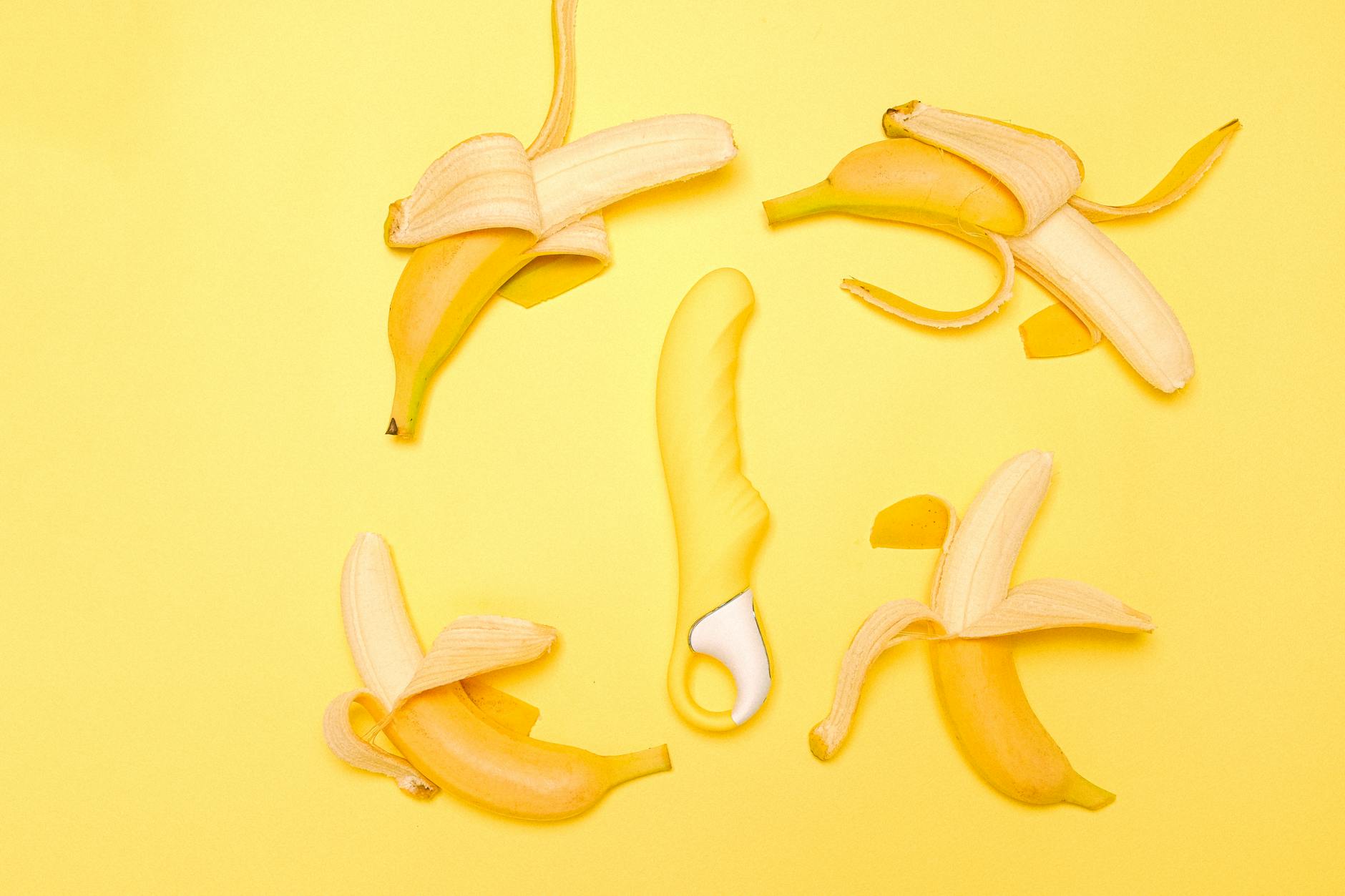
Let's talk about what actually happens
Postpartum is not one moment. It's a sliding scale of hormonal chaos that lasts months, sometimes a year or more. Estrogen, progesterone, and oxytocin all plummet after birth. Then they slowly, unevenly climb back up. Your body is not broken. It's recalibrating.
What this means for pleasure: arousal takes longer to trigger. Lubrication changes. Sensation might feel muted, sharper, or wildly unpredictable. Some people regain sexual interest within weeks. Others don't feel like themselves for six months. Both are completely normal.
The good news is that lemon vibrators, especially clitoral tools with suction technology, work with postpartum bodies instead of against them. They don't require your body to do anything it's not ready for yet.
The postpartum arousal lag is real
Your brain is flooded with prolactin (the milk-production hormone). Prolactin actively suppresses sexual desire. This isn't a mood problem. It's neurobiology. Add sleep deprivation, touched-out exhaustion, and the simple fact that your body is still healing, and arousal feels like a foreign language.
When you do want to reconnect with pleasure, it takes time. The clitoris still works. The nerve pathways are intact. But the chain reaction that used to take ten minutes might now take twenty or thirty. Rushing it backfires. Meeting yourself where you are matters more than forcing a return to your old baseline.
Lemon clitoral vibrators help because they shortcut the warm-up. The air-suction design stimulates without requiring friction or pressure. You can start on the lowest setting, build at your own pace, and stop whenever your body asks you to. There's no performance required.
Sensation changes you might notice
Three shifts happen most often:
1. Numbness or delayed sensation. The clitoris might feel duller than before. This usually resolves on its own as hormones stabilize, but a lemon vibrator accelerates the process by increasing blood flow and nerve activation.
2. Hypersensitivity. Some people swing the other way, especially around breastfeeding. The nipples become too tender to touch. The vulva might feel raw or easily irritated. In this case, start with the lowest suction setting and take longer breaks between sessions.
3. Inconsistency. One day you feel your body. The next day you're numb again. This is maddening but temporary. Hormones are still finding their rhythm.
With all three, patience matters more than technique. A lemon vibrator sits in your hand ready to help whenever your body is open to it, without adding pressure or expectation.
Timing and lubrication matter now
Postpartum vaginal tissue is thinner, especially if you're breastfeeding. This is temporary, but it means friction that felt fine before might now sting. Here's what helps:
Use water-based lubricant generously. Not because you're broken, but because thinner tissue benefits from it. Lube is not optional right now. It's essential.
Shorter sessions, more often. Instead of one long exploration, try five-minute pulses twice a week. Your nervous system settles better with frequent small doses than with marathon sessions when you're already depleted.
Avoid times when you're most touched out. If evenings are when you feel like people have been grabbing you all day, mornings might be better. If your partner handles nighttime feeding and you're less depleted then, lean into your rhythm, not theirs.
Track your cycle loosely. Even postpartum, even while breastfeeding, arousal usually kicks up slightly in the follicular phase (roughly the first two weeks after your period returns). Knowing this helps you recognize patterns and stop blaming yourself for fluctuations.
What changes in partnered pleasure
If you have a partner, this conversation gets its own space because solo exploration and partnered touch activate different parts of your nervous system.
Your partner might want to resume sex before you feel ready. Or you might want touch but they're hesitant, worried about hurting you. These are two separate problems wearing the same disguise.
Start by decoupling sex from penetration. Lots of people assume postpartum sex equals intercourse eventually. But early postpartum, your body might need external stimulation only. A lemon clitoral vibrator lets you orgasm without penetration, without pressure on healing tissue, without the recovery demands of sex. This is not a consolation prize. It's often more satisfying than penetration right now.
If your partner wants to be involved, they can hold the vibrator, or you can guide their hand somewhere else while you use it. The act of them being present and attentive often matters more than the specific touch.
When to check in with a doctor
If sex or vibrator use causes sharp pain (not just soreness), stop and call your doctor. Infection is rare but possible. Nerve damage from delivery can happen, though it usually heals on its own.
If you have zero desire returning by four to six months postpartum, and you're not exclusively breastfeeding, testosterone therapy is worth discussing with your GP. Postpartum desire loss is common, but if it's distressing, it's treatable.
Bleeding during or after vibrator use is normal in the first few weeks. Heavy bleeding is not. Clotting the size of a quarter or larger warrants a call to your provider.
The emotional load underneath
Here's what people don't talk about: postpartum hormone shifts trigger grief even when you wanted the baby. You're mourning your old body, your old sexual self, your old energy levels. This grief is real and separate from your hormonal state.
Reclaiming pleasure postpartum is partly biological (hormones stabilizing, tissue healing) and partly emotional (letting yourself want something for yourself again, not as a partner or parent). Both matter. A lemon vibrator is a tool for the biological part. Therapy, journaling, or conversations with trusted friends help the emotional part.
Some people use vibrator exploration as a way to reconnect with their body as theirs, not just a milk factory or someone's sexual outlet. That reclamation is powerful.
Start small, adjust as you go
If you're ready to reconnect with pleasure postpartum, here's the practical setup:
Set aside ten minutes when you're not touched out. Lubricant nearby. Phone on silent. Start on setting one or two of your lemon clitoral vibrator. If sensation feels muted, you can work up to higher settings, but there's no rush. Your body is still healing.
Notice what feels good without judgment. Numbness? That's information, not failure. Hypersensitivity? Lower the intensity. Inconsistent sensation? Welcome to postpartum. Actual pleasure building? Excellent. Let it happen at its own pace.
Stop whenever your body asks. No performance, no timeline.
Postpartum is not the end of your sexual self. It's a transition. Lemon vibrators work particularly well during transitions because they don't demand anything from you. They meet you where you are.
People also ask
How long after birth is it safe to use a vibrator?
If you had a vaginal delivery without tearing, six weeks is the medical green light for anything inside the vagina. External clitoral stimulation with a lemon vibrator is gentler and usually fine earlier, but check with your doctor first. If you had a C-section, external use is typically safe sooner than vaginal penetration. If you tore or had an episiotomy, ask your provider when they cleared you. Healing timelines vary.
Will using a vibrator affect breastfeeding?
No. Vibrators don't change milk supply, hormone levels, or nursing. The worry many people have is that stimulation will trigger milk letdown, which can feel distracting or strange. It sometimes does. That's not harmful, just unexpected. If it happens, have a towel nearby and consider timing sessions for after feeding when your breasts are less full.
Can I use a lemon vibrator if I have stitches or tearing?
Not on the site of stitches until they're fully healed. Your doctor will tell you when that is. External clitoral use away from the tear site is usually fine earlier. Suction vibrators are gentler than vibrating ones because they don't cause the same tissue friction, which is why many postpartum bodies tolerate them better. Always ask your provider before you use anything on healing tissue.
What if I feel nothing when I use a vibrator postpartum?
Numbness is extremely common and usually temporary. Your nerves are still recalibrating. Keep going gently, but don't force it. Some people find that a lemon clitoral vibrator on the lowest setting daily for a few weeks gradually restores sensation. Others need to wait longer. Hormone levels matter more than technique right now.
Is it normal to feel guilty about wanting solo pleasure while postpartum?
Completely normal and entirely unjustified. Your body is yours. Your pleasure matters. Postpartum bodies deserve the same kindness and access to pleasure as any other body. Using a vibrator is self-care, not selfish. In fact, people who reconnect with their own pleasure postpartum often report better mental health, better sleep, and better relationship satisfaction.
Can I return to the same vibrator settings I used before pregnancy?
Maybe eventually, but probably not immediately. Hormone-driven tissue changes mean sensitivity shifts. You might need lower settings for a few months. This is temporary. As your body restabilizes, you'll likely find your old preferences returning. Don't assume you're permanently changed if you need less intensity right now. You're probably just healing.
You're not broken, you're recalibrating
Postpartum arousal changes feel permanent because they're all-consuming. They're not. Your body is doing what it's supposed to do after birth. Pleasure will return. For now, a lemon clitoral vibrator lets you meet yourself exactly where you are without pushing. That's enough. More than enough. It's everything you need right now.