Let's be real: numbness is a pleasure killer
You're not broken. You're not losing your mind. Clitoral numbness is a real physiological thing, and it's wildly more common than anyone talks about. Most people think orgasm problems mean "not enough desire" or "too much stress." Sometimes it's neither. Sometimes your clitoris has literally stopped talking to your brain.
Here's the thing: your clitoris has about 8,000 nerve endings packed into a space the size of a pea. Those nerves need stimulation to fire. When they've been understimulated, overstimulated, or numbed by medications or health changes, sensation flatlines. The good news? Clitoral nerve tissue responds beautifully to the right kind of stimulation, and lemon vibrators are specifically designed to wake it back up.
Why numbness happens in the first place
Numbness isn't one problem. It's a symptom of several things working alone or together. Understanding which one is yours matters because the fix depends on the cause.
Antidepressants and blood pressure meds are the most common culprits. SSRIs, SNRIs, and certain blood pressure medications literally dampen nerve signal transmission. If you started a medication six months ago and orgasms got harder, that's not coincidence. It's chemistry.
Repetitive stimulation does the opposite of what you'd expect. If you've been using the same pattern on the same toy for years, those nerves stop responding. You need novelty. Your tissue adapts, and adapted tissue stops firing as easily.
Hormonal shifts flatten sensation. This isn't just menopause. Postpartum hormone crashes, birth control changes, and shifts in progesterone-to-estrogen ratios all affect nerve endings' ability to signal pleasure.
Pelvic floor tension creates what feels like numbness. If your pelvic floor muscles are held tight chronically, they restrict blood flow and neural feedback. The clitoris isn't actually numb. It's just not getting enough blood or neural bandwidth to register sensation.
Psychological patterns muffle sensation too. Trauma, anxiety, depression, and even just years of sex that wasn't for you rewires what gets through to your pleasure centers. The nerve endings work fine. The brain just isn't listening.
How lemon suction vibrators work differently
Most vibrators work on percussion or vibration frequency. They buzz. That works for some people, some of the time. But when tissue is genuinely numb, percussion alone doesn't cut it. You need deeper stimulation.
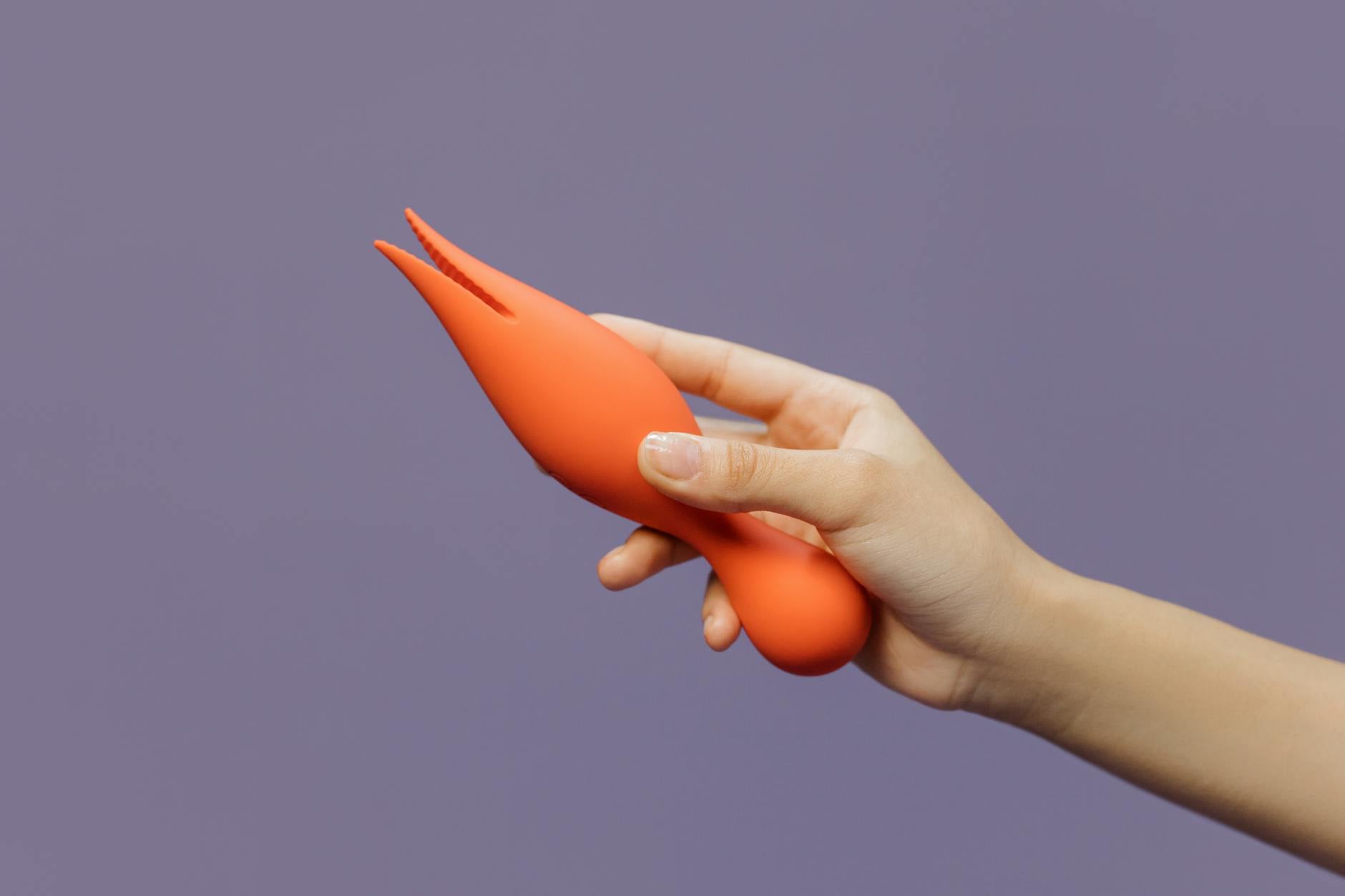
Lemon clitoral vibrators use suction and pulsation together. The suction pulls blood into the clitoral tissue and creates pressure stimulation that bypasses some of the numbness barrier. It's not just buzzing on the surface. It's engaging the whole clitoral body, not just the visible tip. That changes everything for desensitized tissue.
When you're dealing with numbness, you need a toy that can reach deeper than conventional vibrators. Suction does that. The rhythmic pressure actually wakes up dormant nerve pathways. People often report that they feel sensation for the first time in months or years when they switch to suction-based stimulation.
The specific patterns that work for numb tissue
Not all patterns are equal when you're working with desensitized nerves. Here's what actually helps.
Start with the lowest setting. This contradicts what many people do. Most assume numbness means "turn it up loud." Wrong. Loud pattern on numb tissue just creates more numbness through adaptation. Instead, start at setting 1 or 2 and stay there for a full session. Let your tissue wake up gradually.
Use rhythm-based patterns over constant vibration. Constant buzzing numbs further. Pulsing, throbbing, or rhythm patterns create micro-on-and-offs that keep your nerves alert. Your clitoris responds to novelty and variation, not monotony. If your lemon vibrator has pulse or wave patterns, use those instead of the steady pattern.
Vary the position slightly every two to three minutes. Desensitized tissue learns its own position. Move up an eighth of an inch, back down, side to side. Tiny changes prevent adaptation and keep nerve endings firing.
Layer suction with movement. Don't just hold the lemon vibrator still on your clitoris. Move it slowly, angle it, use short back-and-forth motions. The suction plus motion combination is more effective for waking numb tissue than suction alone.
Rebuilding sensation takes time (and patience matters)
If your numbness has been going on for months or years, you didn't lose sensation overnight. You won't get it back in one session. Expect three to four weeks of consistent practice before you notice real changes.
Here's what the timeline usually looks like. Week one: you might feel a slight difference. Not an orgasm, but maybe a tingling or awareness that wasn't there before. Week two: sensation spreads. You start feeling the suction more clearly. Week three: your clitoris begins responding to patterns it ignored before. Week four: orgasms either return or feel dramatically different and often better than before.
Consistency matters more than intensity. Ten minutes with a lemon vibrator three times a week is more effective than one intense 45-minute session. Your nervous system needs regular reminders that sensation is available.
The mental part is just as real as the physical part
Here's what nobody tells you about numbness: it often carries shame. You've been numb for so long that you start believing you're broken. You're not. You've just learned to disconnect from that part of your body out of frustration. Your brain literally turned down the volume.
As you're rebuilding physical sensation, you also need to rebuild the mental pathway. That means being genuinely curious instead of results-focused. Instead of "will I orgasm today," try "what sensation can I notice that I couldn't last week." Smaller wins stack into bigger ones.
Talk to your partner if you have one. Numbness changes the experience for them too, and often they've been left in the dark wondering what they're doing wrong. They're not. Your nervous system just needs recalibration. That's not a failure. It's information.
When to bring in professional help
If your numbness started with a medication, don't just live with it. Talk to your prescriber about dosage adjustment, timing, or switching medications. Many people don't realize that even small changes in when or how much they take can improve sensation without losing the psychiatric benefits.
If numbness is tied to pelvic floor tension, pelvic floor physical therapy is genuinely transformative. A PT can identify where you're holding tension and teach you to release it. This alone fixes numbness for many people.
If the numbness arrived after trauma, and you're working with a therapist on that, mentioning it to them matters. Somatic or trauma-informed therapies can actually rewire how your body processes sensation.
The slow awakening
Rebulding sensation with lemon clitoral vibrators works because suction therapy engages your tissue in a way that straight vibration doesn't. You're not forcing orgasm. You're inviting your nervous system to wake back up. That invitation, repeated with consistency and patience, usually gets answered. Your body remembers how to feel. It just needs permission and the right tool. Once you've got that, most people report that the pleasure that comes back is richer and more nuanced than what they had before.
Frequently asked questions
Can numbness from antidepressants improve while staying on the medication?
Yes, often. Some of it depends on the specific medication and dosage. Starting with tools like lemon vibrators that engage tissue differently can help rebuild sensation even while you're medicated. The nervous system can learn new pathways. If improvement doesn't happen after four to six weeks of consistent use, that's the time to talk to your doctor about whether the specific medication is the right fit for you.
How long before I should expect to feel a difference?
Small changes often show up in week one. Real orgasm recovery typically takes three to eight weeks of consistent practice, depending on how long the numbness has been there. Your tissue has memory. The longer you've been numb, the longer reawakening takes. Be patient with the timeline.
Is numbness the same as anorgasmia?
Not quite. Numbness is a sensation problem. Anorgasmia is the inability to orgasm. You can be anorgasmic without being numb, or numb without being fully anorgasmic. But numbness often leads to anorgasmia because your brain can't build the sensation sequence it needs for climax. Fixing the numbness usually fixes the orgasm problem too.
Should I use the highest suction setting immediately to wake things up faster?
No. High intensity on numb tissue creates more numbness through overstimulation. Your nerves need gentle recalibration, not aggressive assault. Start low, stay consistent, and let sensation build. Fast doesn't work here. Gentle wins.
Can I combine lemon vibrators with other tools while rebuilding sensation?
Absolutely. Many people find that layering a lemon vibrator with hand stimulation, a partner's touch, or even different types of lube helps wake sensation faster. Variety itself is healing for numb tissue. The key is staying under your personal threshold for stimulation intensity while you're rewaking things.
What if numbness is tied to trauma or anxiety?
That's still real numbness, and lemon vibrators still help. But you might need to work with a therapist alongside the physical practice. Somatic or trauma-informed therapy can help your nervous system process why it shut sensation down in the first place. The tool helps. The therapeutic work anchors the healing.