Here's what nobody says about low libido
Your body hasn't forgotten how to feel good. Stress and depression don't damage the nerve endings in your clitoris or rewire your brain's reward circuitry permanently. What they do is make your nervous system shut the door on pleasure as a survival mechanism. Your brain decides that arousal is a luxury it can't afford when you're running on fumes.
This is not the same as broken. It's deactivated. And that changes how you restart.
Most advice for low libido treats it like a motivation problem. "Try lingerie," they say. "Schedule sex." "Light some candles." But if your nervous system is dysregulated from chronic stress or depression, those tactics feel like you're trying to push a boulder uphill with a toothpick. You need a different entry point entirely.
Why a lemon vibrator changes the conversation
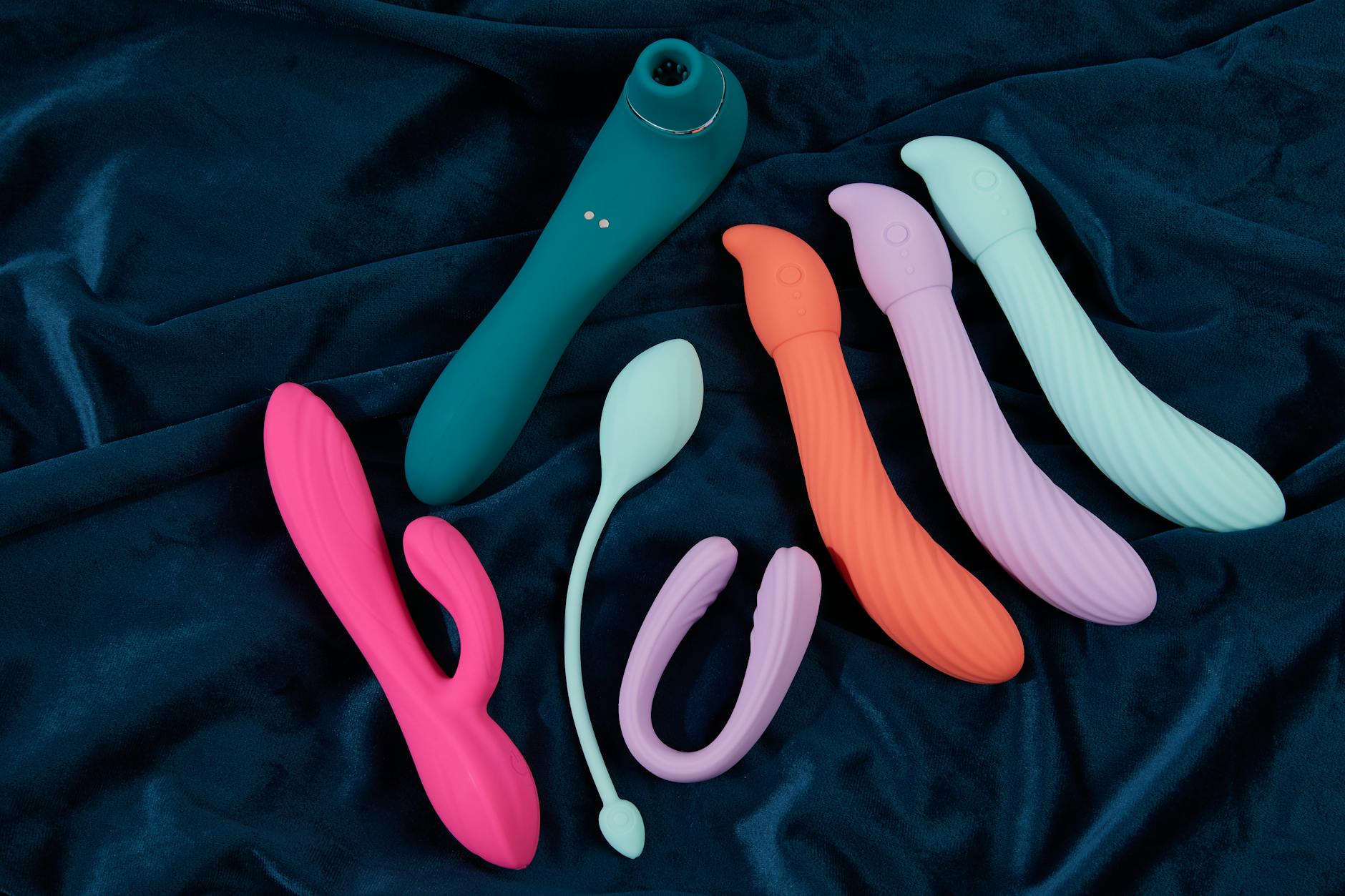
A clitoral vibrator like the Lemon works differently than willpower or fantasy when your libido is tanked. Here's why:
When you're depressed or chronically stressed, your dopamine is depleted. The anticipation of pleasure has flatlined. You might not want sex, and that's not weakness. That's a symptom. But a lemon clitoral vibrator bypasses the "wanting" step. It goes straight to physical stimulation, which triggers sensation before motivation catches up.
The vibration itself is a form of nervous system reset. High-frequency stimulation on the clitoris sends direct signals to the brain that bypass the depression filter. You're not waiting for desire to appear. You're creating the conditions where your body remembers what pleasure feels like, and the desire rebuilds from there.
Second, the suction mechanism of the Lemon feels gentler than traditional vibrators when you're touch-avoidant or have low sensation. Depression often comes with a protective numbness. Suction stimulates without the aggressive friction that can feel overwhelming when your nervous system is already on high alert.
The reset protocol (not the same as normal use)
If you're using a lemon sexual toy while depressed or severely stressed, the protocol is different from routine pleasure. Think of it as nervous system rehabilitation, not orgasm chasing.
Start with 5-10 minutes, once or twice a week. Not because you're building endurance, but because consistency matters more than duration when you're retraining your nervous system. Your brain needs regular evidence that pleasure is coming back.
Use the lowest settings first. The Lemon has multiple intensity patterns. Start at pattern 1 or 2 and stay there for the full session. The goal is sensation, not climax. Most people with depleted dopamine will feel pressure to "finish" because that's what sex is supposed to be. Ignore that. Your only job is noticing what feels good, even if it's subtle.
Build a micro-ritual around it. This is not self-care fluff. Your brain learns through repetition and context. If you use your lemon vibrator every Tuesday and Friday morning after coffee, in the same spot, your nervous system starts to recognize the pattern and relaxes into it. Depression thrives on chaos and unpredictability. Ritual is an antidote.
Combine it with breathwork. Deep, slow breathing activates the parasympathetic nervous system, which is the opposite of depression's state. Before you turn on your vibrator, spend two minutes breathing in for four counts, out for six. Then use the toy. The combination of controlled breathing plus physical sensation tells your nervous system that it's safe to feel.
What blocks the restart (and how to move around it)
Four things I see people get stuck on.
"I feel nothing." Numbness is normal. Your nervous system isn't broken if sensation is muted. Depression is an anesthetic. The first week or two, you might feel the vibration but not "feel" it in an erotic way. That's fine. Sensation returns before pleasure does. Keep going.
"Using a toy feels selfish when I'm struggling." It's not. This is guilt dressed up as morality. You're not neglecting anything by spending 10 minutes with a clitoral vibrator. You're maintaining the neural pathways that lead to dopamine. That's medicine, not indulgence.
"My partner is worried I'm using this instead of connecting with them." Have the conversation separately. Low libido with a partner is actually two problems. One is physiological (your dopamine is offline). The other is relational (your partner might feel rejected). Fixing the first doesn't automatically fix the second. But it gives you something to work from. Tell them: "I'm rebuilding sensation. This is part of that process. It's not about you."
"I should be able to want this." You can't will your way out of depression. Stop trying. Your clitoris doesn't care about your willpower. It cares about dopamine, nervous system safety, and consistent stimulation. The lemon vibrator is the tool. Your job is showing up with it, not forcing yourself to feel something you don't yet.
The timeline nobody talks about
If you've been depressed for six months, you probably won't feel markedly different after two weeks of using a clitoral vibrator. But you might notice something small. A warmth that wasn't there. A moment where sensation felt almost good instead of numb. That's the baseline restart.
Most people report that desire starts creeping back around week three or four, sometimes longer. But it doesn't come back the way it left. It doesn't arrive as a sudden interest in sex. It arrives as a willingness to spend 10 minutes with your lemon vibrator without resistance. Then as actual sensation showing up during those 10 minutes. Then as a thought that maybe, possibly, you might want something more.
That incremental shift is not boring. It's your nervous system learning to trust pleasure again. Honor it.
When to bring your partner in
If you're in a relationship, using a lemon clitoral vibrator alone first is not a betrayal. It's a reset button. Once you've spent a few weeks rebuilding sensation solo, you can experiment with your partner present. They don't need to use it on you (though they can). They just need to be in the room while you use it. Your nervous system learns that pleasure is safe to exist around them.
Many couples find that this step is actually more intimate than traditional sex during a depression recovery. There's no pressure to perform. Your partner gets to watch you rebuild pleasure. You get to rebuild it without the relational weight.
What actually gets better
I work with people on the other side of depression recovery. The consistent thing I hear is not "I'm having more sex" but "Sex feels like mine again." The lemon vibrator didn't fix the depression. But it kept the possibility of pleasure alive while the depression was being treated (therapy, medication, whatever the path was). It prevented the nervous system from completely forgetting what feeling good felt like.
That matters more than you'd think. People who maintain some version of pleasure practice during depression recover faster. They don't have to rebuild from zero. They're rebuilding from a place where the body still remembers.
Low libido from stress or depression is real. It's not a character flaw. But it's also not permanent. A lemon vibrator isn't a cure. It's a tool for keeping your nervous system engaged with sensation while you're working on the bigger picture. Use it that way, and you might surprise yourself with what comes back.
People also ask
Is it normal to feel nothing when using a lemon vibrator during depression? Completely normal. Depression is a neurobiological numbing agent. Your clitoris still has nerve endings, but depression blocks the signal from reaching your brain. The vibration is doing something. You just can't feel it clearly yet. Keep showing up with consistent, low-pressure sessions. Sensation returns before pleasure does, and that's the order it should happen in.
Can using a clitoral vibrator make depression worse? Not the vibrator itself. But shame around masturbation or pleasure can. If using your lemon vibrator triggers guilt or self-criticism, that works against the nervous system reset you're trying to create. If that's happening, address the shame piece first (therapy helps). The toy is neutral. Your relationship to it matters.
How long before my libido comes back if I use a lemon sexual toy regularly? There's no standard timeline because depression is individual. Some people notice shifts in three to four weeks. Others take two or three months. The variable isn't the toy. It's the depression's severity, whether you're in treatment, stress levels, and how your particular nervous system responds to stimulation. Consistency matters more than speed.
Should I tell my partner I'm using a clitoral vibrator while depressed? That depends on your relationship style and how they relate to pleasure. If you hide it and they find out, that creates distance. If you mention it without framing ("I'm using this to rebuild sensation during depression"), it might land better than it would if you're defensive. The truth that resets your nervous system is always worth saying out loud.
Can a lemon vibrator help if I'm on antidepressants that lower libido? Yes, but with caveats. Antidepressants that affect serotonin can flatten arousal. The vibrator can help keep sensation alive, but it might not solve the medication side effect. If sexual side effects are severe, that's a conversation for your prescriber. Sometimes a dose adjustment or medication switch is the actual answer. The vibrator supports, it doesn't replace.
Is using a lemon clitoral vibrator the same as treating depression? No. It's one piece. Therapy, medication, sleep, movement, social connection, and treating the root stressor (job, relationship, grief, whatever) are the main treatments. The vibrator is a tool for maintaining nervous system engagement with pleasure while you're doing that bigger work. It keeps a door open that depression tries to lock.