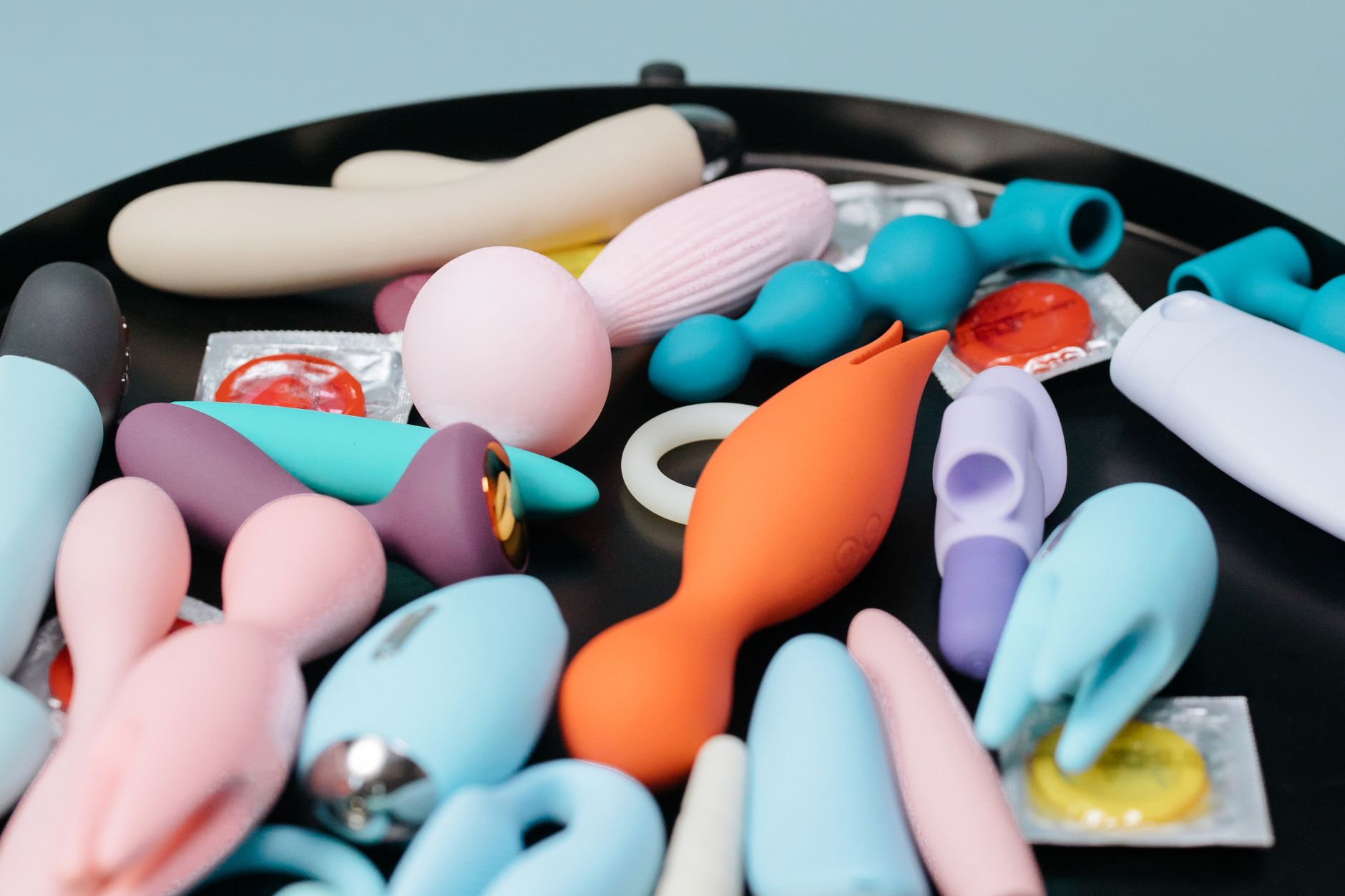
The conversation nobody wants to have
You bring it up, they shut down. Or they pretend to listen while clearly hoping you'll drop it. Maybe they say "I don't need toys" or "Isn't that supposed to be my job?" and suddenly you're defending your desire instead of exploring it.
This is the stickiest part of introducing a lemon clitoral vibrator or any adult toy into a relationship. It's not the toy itself. It's the invisible fear underneath.
What resistance usually means
Here's what I see in my practice: resistance isn't usually about the vibrator. It's about what your partner thinks it means.
They might believe it means they're not enough. That you're unsatisfied. That you'd rather have the toy than them. That introducing a vibrator is a step toward infidelity or a sign the relationship is broken. Sometimes they're worried about looking foolish. Sometimes they genuinely don't know how to engage with the idea.
None of those worries are irrational. They're just incomplete. And most of them dissolve the moment you name them directly.
The setup conversation, not the pitch
Don't lead with "I want to try a vibrator." That frames it as a proposal your partner needs to approve. Lead with vulnerability and curiosity instead.
Pick a calm moment. Not during sex, not when either of you is tired or stressed. Say something like: "I've been thinking about something and I'm not sure how to bring it up. I'm interested in exploring my own pleasure more, and I think introducing a clitoral vibrator could help with that. But I noticed you might feel weird about it, and I don't want to move forward if you do. Can we talk about what that brings up for you?"
That accomplishes three things. One: you own your desire without apology. Two: you give them room to name their actual concern. Three: you signal that their experience matters.
Then stop talking and listen.
Listen for the real fear
When your partner finally speaks, you're looking for the underlying belief, not just the surface objection.
If they say "I don't get why you need a toy," the fear underneath might be "You'll enjoy it more than sex with me" or "This means I'm failing."
If they say "It feels clinical," the fear might be "This will make sex feel transactional" or "I don't understand how it could feel intimate."
If they say "Isn't that weird?" the fear might be "What will I think of myself if I'm into this?" or "I'm worried people will judge us."
Ask clarifying questions gently. "When you say that, what are you worried might happen?" or "What would it mean if I used a lemon vibrator?" Let them articulate the actual concern, not the dismissal.
Reframe what a vibrator actually is in a partnership
Here's what I tell couples: a clitoral vibrator is not a replacement for a partner. It's a tool that does one specific thing better than anything else. A lemon vibrator uses suction stimulation to create sensations a hand simply cannot replicate. It's not about preference or adequacy. It's about access.
Think of it like this. Your partner can give you an orgasm through sex. A vibrator can give you a different kind of orgasm, faster, or in a way that requires less friction or warming up. Both can be true. Both can be wanted. Using one doesn't devalue the other.
You might also say: "I want to explore this because it helps me understand my own body better. And when I understand what feels good to me, I'm actually better at communicating with you about what I want during sex together."
That's often the moment the resistance starts shifting. Suddenly it's not a threat. It's information gathering.
Show them it's not a solo project
One of the best ways to soften resistance is to invite your partner into the experience.
You could say: "I'm not planning to lock myself away with this. I thought we could explore it together. You could watch, you could help me use it, you could even be the one to do it. Or if you're not ready for that yet, I'm okay using it alone while you stay curious and ask questions."
That last part matters. You're giving them a low-stakes entry point. Watching someone you care about discover new sensations can actually be hot. And the vulnerability of that moment can deepen connection if the emotional setup is right.
Some partners warm up faster when they're involved. Others need time alone first. Honor the timeline your partner needs.
Address the specific concerns, directly
If they worry it will change your relationship during sex, you can say: "It might change how I experience pleasure, yes. And I like the idea of growing together through that instead of pretending nothing's different."
If they're worried about feeling replaced, you can say: "A vibrator can't do what you do. It can't hold me, or kiss me, or adapt to my reactions in real time. It's a tool for one type of stimulation. You're the person I'm building a life with."
If they're embarrassed, you can normalize it. "Most couples have tried toys. Most people use them at some point. It's not weird. It's actually common."
If they need data, share it. Studies show couples who explore pleasure together report higher sexual satisfaction and deeper emotional intimacy. Introducing a lemon vibrator or any clitoral vibrator isn't a warning sign. It's often a sign of curiosity and communication.
The middle ground while they warm up
Your partner doesn't have to go from "absolutely not" to "enthusiastically involved" overnight. Middle ground exists.
You could use your clitoral vibrator alone while your partner is out or sleeping, no secrecy, just privacy. You could use it during partnered sex but without asking your partner to do anything different. You could talk about the experience afterward in a way that invites their curiosity without pressure.
You could also set a timeline. "I'm going to order one. I'm going to try it for a month. Then let's check in about how you're feeling." That gives their nervous system time to adjust to the idea without high-stakes conversation happening all at once.
What often happens next
In my experience, the partner's resistance softens fastest when three things happen.
One: they feel heard and their concern was legitimate, not dismissed.
Two: they realize the vibrator isn't about dissatisfaction or rejection. It's about exploration.
Three: they see their partner experience genuine pleasure and realize it doesn't threaten them. It's actually interesting.
Many couples end up using lemon vibrators together after an initial resistance phase. Not because the resistant partner was pushed. Because the curious partner was patient, clear, and willing to move at their partner's speed.
If resistance doesn't shift
Sometimes it does, and sometimes it doesn't. If your partner remains firmly opposed after genuine conversation, you have a choice to make about what you're comfortable with.
You could respect their boundary and not use a vibrator in your shared space. You could use one alone without announcing it. You could accept that this is a difference in your sexual values and decide together how to handle it.
Or you could recognize that this resistance is part of a larger pattern of control or discomfort with your autonomy, and that might be worth exploring with a therapist. Sometimes a vibrator conversation is just a vibrator conversation. Sometimes it's a window into bigger relational patterns.
The conversation is the breakthrough
Honestly, the actual lemon vibrator is the easy part. The hard part is building enough safety and honesty to talk about what you want without shame or defensiveness.
If you can have this conversation well, you can have any conversation. And that's worth more than any toy.
People also ask
How do I introduce my partner to the idea of using a lemon vibrator without seeming like I'm unsatisfied?
Lead with your own curiosity, not their inadequacy. Say something like: "I've been curious about exploring different types of pleasure. I think a clitoral vibrator could help me understand my body better, and I'd like to try it. I'm interested in your thoughts." This frames it as personal exploration, not criticism of your partner.
What if my partner says using a vibrator is cheating?
That belief needs gentle unpacking. A vibrator is an object, not another person. It doesn't replace your partner. You might say: "A vibrator is a tool, like a dildo or massage wand. It doesn't involve another person or emotion. It's just a way for me to explore sensations. I'm still choosing to be with you." If they're equating physical sensation with infidelity, that might indicate a deeper conversation about trust is needed.
Can we use a lemon vibrator together if my partner is resistant but curious?
Absolutely. Invite them into the experience at whatever level they're comfortable. They could watch, ask questions, hold it, or be the one controlling it during partnered sex. Low-pressure involvement often builds comfort faster than solo use followed by explanation. Let curiosity lead, not pressure.
What if my partner thinks vibrators are embarrassing or weird?
Normalize it. Adult toys are mainstream. Most people have tried them or will. You could share that statistic. You could also ask: "What makes it feel weird to you?" Sometimes the embarrassment is about perceived judgment from others, sometimes it's internalized shame. Naming the actual source helps address it.
How long does it usually take for a resistant partner to become comfortable with vibrators?
It varies widely. Some partners warm up in weeks. Others take months. Some never fully embrace the idea but accept it as your boundary. The timeline depends on what the resistance stems from. Fear of inadequacy usually softens faster than deep-rooted shame or control patterns. Patience and honesty move the process forward more than persuasion.
Should I use a lemon vibrator alone first or introduce it with my partner present?
There's no universal right answer. Some partners warm up faster if they're involved from the start. Others need time to adjust to the concept before witnessing it. You could ask your partner directly: "Would it help you feel more comfortable if you were present, or would you rather I use it alone first?" Their answer tells you which approach will work better for your specific dynamic.