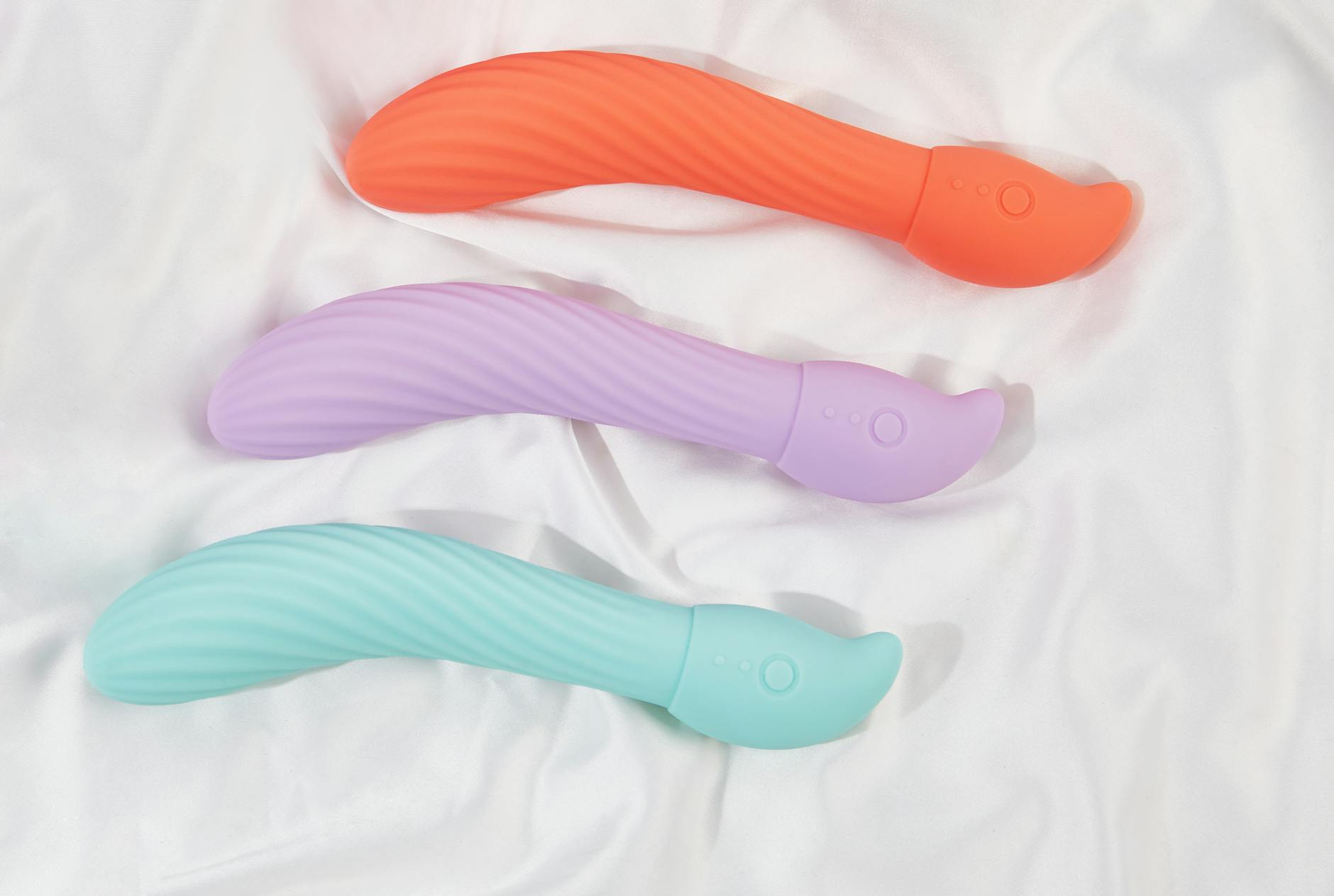
Let's be real about antidepressants and sex
You're taking medication that's saved your mental health. And now your body feels like it's running through water. That trade-off is real, and pretending it isn't doesn't help anyone.
Antidepressants, especially SSRIs like sertraline and fluoxetine, can flatten sexual response. Arousal takes longer to build. Orgasms feel distant or impossible. The physical sensation that used to mean "yes, keep going" now registers as a kind of muffled echo. About 40 to 60 percent of people on SSRIs experience some form of sexual side effect. You're not broken. Your brain chemistry is being deliberately reshaped to keep you stable.
What antidepressants actually do to sensation
SSRIs work by increasing serotonin availability in your brain. Serotonin is great for mood. It is not great for sexual arousal, which relies on dopamine and norepinephrine firing in specific patterns. Antidepressants don't erase these systems. They just turn down the volume.
Here's what happens physically. Your genitals receive less blood flow during arousal. Your nervous system is slower to recognize and amplify touch signals. Orgasm, which depends on rhythmic muscular contractions coordinated by your brain, becomes harder to reach. Some people describe it as climaxing behind glass. The sensation exists, but there's a layer between you and it.
This is not a character flaw. It's pharmacology.
Why your old approach isn't working anymore
If you've used toys before medication, you might notice that what used to work now feels like you're going through the motions. This is the moment most people stop trying and assume their sex life is over.
It's not. You just need to shift strategy.
The issue is that many vibrators rely on intensity and speed to compensate for reduced sensation. That approach exhausts you before you feel anything. Lemon clitoral vibrators, which work through air-suction rather than direct vibration, take a fundamentally different approach. Instead of overwhelming a numbed nervous system with more stimulus, suction stimulates the clitoral complex through gentle, consistent pressure that engages nerves differently than vibration does.
Think of it this way. If your sensation is muffled, you don't need louder noise. You need a different signal that gets through the muffling.
How to start again when sensation feels distant
Three principles change everything.
1. Patience is not optional. Budget 20 to 40 minutes for solo exploration, not five. Your arousal system is slower now. Rushing it guarantees disappointment. Slow down, and you'll often find sensation is still there. It's just arriving on its own timeline.
2. Start at the gentlest settings. On a lemon sucker or similar clitoral vibrator, begin with pattern one or two. Let your body acclimate to the sensation before building intensity. Many people on antidepressants report that starting gentle and building slowly yields better results than jumping straight to high power.
3. Create mental space first. Antidepressants numb sensation partly through their chemistry and partly because the anxiety they helped quiet used to drive arousal. Now that anxiety is gone, arousal doesn't have the same engine. This is actually a gift. It means pleasure can become less goal-focused and more exploratory. But that requires letting go of the old performance model.
Why lemon vibrators work differently for medicated bodies
Lemon clitoral vibrators use suction and pulsation rather than direct vibration. This matters because suction stimulates a wider nerve field around and within the clitoral complex. It's less about localized intensity and more about building cumulative sensation across your entire vulva.
For people on antidepressants, this is significant. Your body isn't numb everywhere. Certain areas and certain types of touch register more clearly. Suction-based toys let you explore those areas without the jarring intensity of traditional vibrators. Many people report that lemon toys help them find new pathways to pleasure that don't rely on the same arousal circuits that medication affects.
You're not fighting your medication. You're working with your actual nervous system as it is right now.
Talking to your prescriber (yes, really)
If sexual side effects are severe enough to make you consider stopping medication, tell your doctor before you stop. Your prescriber can adjust your dose, suggest a different time to take the medication, or recommend an alternative SSRI that affects sexual function differently. Some SSRIs have lower sexual side effect rates. Some doctors recommend taking medication after sex rather than before.
You don't have to choose between mental health and pleasure. Sometimes you can have both with a small adjustment.
If your prescriber acts uncomfortable about the topic, find a new one. Sexual health is health.
When sensation returns (it often does)
Many people find that sexual sensation gradually improves as their body adjusts to medication. This can take three to six months or longer. In the meantime, exploring with a lemon clitoral vibrator keeps you connected to your body and your pleasure without the pressure of the old performance model.
When sensation does start returning, you'll often have developed new skills around patience and curiosity. That's not wasted time. That's you rebuilding your sexual relationship with yourself from the ground up.
The practical setup that works
Set aside time when you know you won't be rushed. Dimmed lighting helps, but it's not necessary. Lubrication, even if sensation feels deadened, makes everything easier. Start with the lemon vibrator on a low setting and explore for 20 minutes without expecting anything specific.
If you're partnered, this is a conversation to have outside the bedroom first. Let them know that your pleasure timeline has changed, that you're experimenting with new approaches, and that their patience matters. Many partners worry they're the problem. Clarity helps.
Take notes if it helps. Which patterns feel more present. Which times of day your body feels more responsive. Whether warmth, positioning, or mental focus shifts things. You're gathering data about your own nervous system. That information is valuable.
When you need extra support
If after several months of exploration pleasure still feels completely absent, or if sexual side effects are making you want to stop medication entirely, that's a conversation for a therapist alongside your prescriber. Sometimes the issue is medication. Sometimes it's anxiety about medication. Sometimes it's both.
A good therapist will help you separate what's physiological from what's psychological and help you navigate both. Many people on antidepressants rediscover excellent sexual pleasure once they have support for working through this specific transition.
Your body is not broken. Your medication is doing exactly what it's supposed to do. And that doesn't mean pleasure is off the table. It just means you get to discover what pleasure looks like now.
People also ask
Do all antidepressants cause sexual side effects?
No. SSRIs and some SNRIs cause the most issues, but not everyone experiences them at the same level. Bupropion, for instance, is less likely to cause sexual side effects. If you're struggling with an SSRI, ask your doctor about alternatives. The right medication for you is the one that treats your depression without making you feel like you're living underwater.
How long does it take for antidepressant sexual side effects to improve?
It varies wildly. Some people adjust within a few weeks. Others experience persistent side effects that don't fully resolve. If you're still struggling after three months, that's the time to revisit your medication with your prescriber rather than just assuming this is your new normal. Dosage adjustments, timing changes, and medication switches can all help.
Can you use a lemon vibrator if you're on antidepressants?
Absolutely. Lemon clitoral vibrators are actually a smart choice for people on antidepressants because suction-based stimulation engages your nervous system differently than traditional vibration. The gentler, cumulative approach often works better when sensation feels muffled. Just start on lower settings and give yourself more time to build arousal.
Does taking antidepressants at a different time help?
Sometimes. Some people find that taking their medication after sex rather than before minimizes the sexual side effects during that window. This only works if your prescriber agrees it's safe for your specific medication. Never change your dosing schedule without consulting them, even if it seems like a small adjustment.
Is it normal to feel guilty about struggling with this?
Completely normal and completely understandable. You're grateful for medication that stabilized your mental health. And you're frustrated that it's affecting your sexuality. Both feelings make sense. Neither one means you're being ungrateful or that you should just accept a numb sex life. Medication can save your life and still have side effects worth addressing.
Should I tell my partner about antidepressant sexual side effects?
Yes. Not because you're obligated to make them your therapist, but because secrecy usually makes everything worse. A partner who cares about you wants to understand what's happening. "My medication is affecting my arousal timeline, and I'm exploring ways to reconnect with pleasure" is a solid conversation to have. It shifts the dynamic from "something is wrong with me" to "here's what we're working with, and here's how you can help."