Let's name what shame actually does
Sexual shame isn't just a feeling. It's a full-body veto. Your nervous system learned early that your pleasure was wrong, risky, or dirty. Maybe someone shamed you directly. Maybe you absorbed it from the air around you. Either way, that message got locked into your body. When you try to feel pleasure now, that old alarm goes off first.
The result? Your body stops responding. Sensation dulls. Arousal becomes something that happens to other people, not you. You might feel phantom guilt even when you're alone. That's not a character flaw. That's your nervous system doing exactly what it was taught to do.
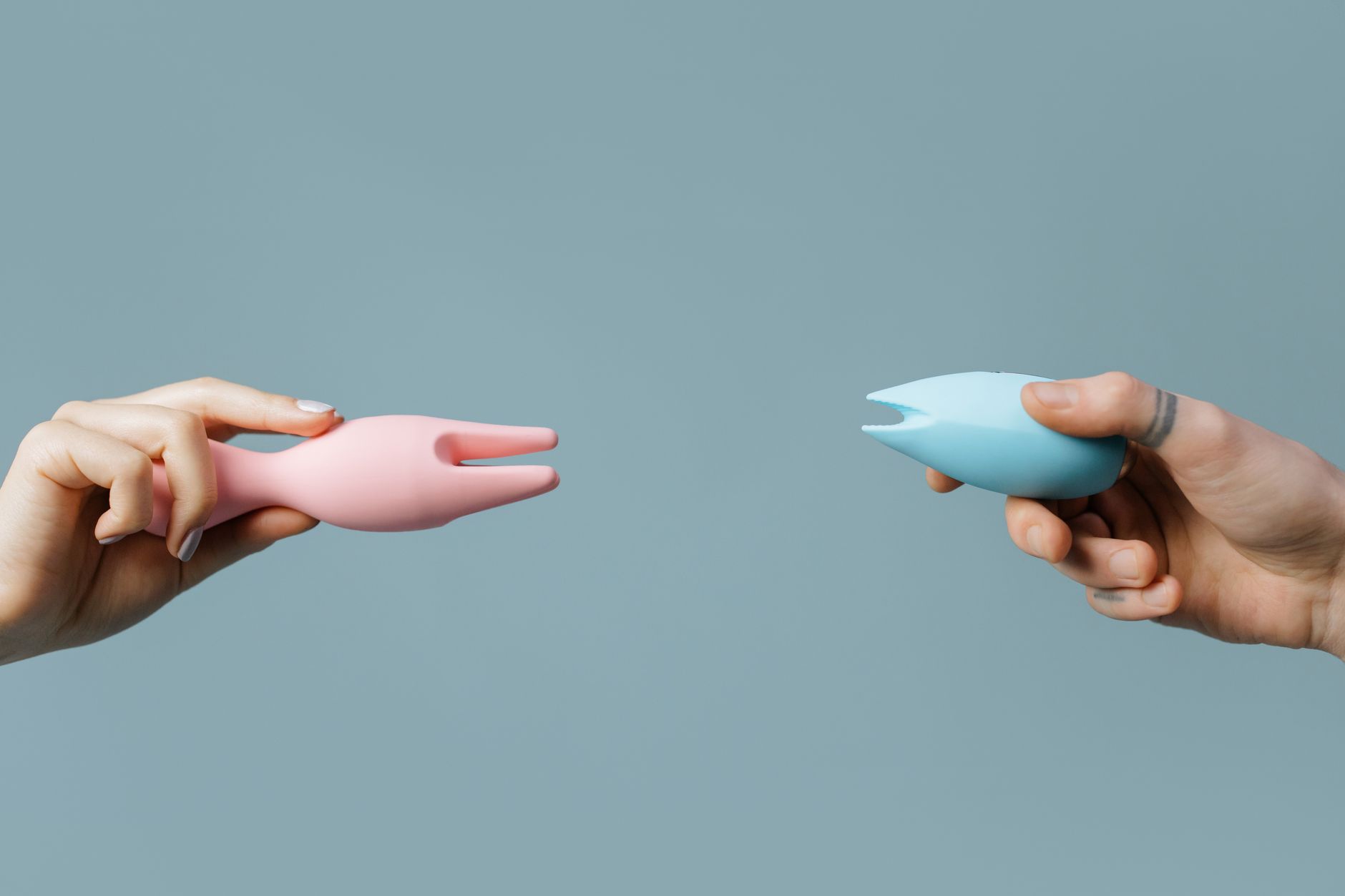
Good news: nervous systems learn. And a lemon vibrator, used intentionally, is one of the most direct ways to teach your body that pleasure is actually safe.
Why shame specifically kills pleasure
Here's the mechanism. Sexual shame creates what therapists call a "defensive shutdown." Your brain categorizes pleasure as a threat, so it cuts off the parasympathetic nervous system (the one that allows arousal) and kicks into sympathetic mode (fight, flight, freeze). You literally cannot feel pleasure and be in threat mode simultaneously. Your body is protecting you from something it learned was dangerous.
That protection made sense once. It doesn't anymore. But your body doesn't know that yet.
When you use a lemon vibrator after shame, you're not just stimulating nerve endings. You're sending your nervous system a new message: "This is happening. Nothing bad is occurring. Sensation is safe." You're teaching your body to stay calm and present while pleasure builds. That's nervous system rewiring.

Photo by Olga Lioncat on Pexels
Starting from zero: the permission piece
Before you touch a lemon clitoral vibrator, you need to separate two things in your mind. One is the shame message ("this is wrong"). The other is the physical response ("my body feels guilty"). They're linked but not the same.
Giving yourself explicit permission helps untangle them. This sounds simple and it feels awkward, but it works. Tell yourself: "I'm allowed to feel pleasure. That's not selfish. That's not dangerous. That's mine."
Say it out loud if you can. Your nervous system hears tone. Write it down. Repetition matters because shame also got repetition. You're building a new neural pathway with the same tool: repetition and consistency.
Then set up a space where you're genuinely alone and uninterrupted. Shame loves an audience, real or imagined. Remove your phone. Lock the door. Make the nervous system feel safe in the physical environment first.
The first session: what actually happens
Start with your lemon vibrator off. Just hold it. Feel the weight. Explore the texture. Your nervous system needs time to recognize "this object is not a threat." This takes longer after shame because hypervigilance is real.
When you're ready, turn it to the lowest setting. Many people with shame-based shutdown find that suction-style stimulation like a lemon vibrator works better than traditional vibration because it's less intense, more sustained, and less triggering to that threat response.
Don't aim for orgasm. That's a trap because it re-introduces performance pressure, which is cousins with shame. Instead, aim for "I stayed present for five minutes and noticed sensation." That's a win. That's your nervous system learning.
You might notice guilt appearing. That's not a sign to stop. That's your nervous system doing the rewiring work. You're teaching it that the guilt doesn't have to stop you anymore. Keep breathing. Keep going.
Building the practice over weeks
This isn't a one-session fix. Shame took years to install. Rewiring takes weeks, not days. But consistency works.
Week one: just presence and low stimulation. Notice where you tense. Where do you hold your breath? That's where the shame lives. Breathe into those places.
Week two: incrementally increase intensity as your nervous system settles. Maybe move from pattern one to pattern two. Maybe extend the session to ten minutes.
Week three: start noticing what happens around arousal. Is it appearing? Is it different than you remember? Many people find that after shame lifts, arousal feels slower, deeper, and more trustworthy than it did before.
Week four and beyond: if you're reaching orgasm, let it happen without judgment. If you're not, that's information too. Some bodies need months to fully rewire. That's normal.
What to do when the guilt comes up
It will. Shame doesn't vanish because you use a lemon vibrator. It speaks. It tries to convince you that you're making a mistake. This is the moment many people stop.
Instead, pause. Don't quit. Acknowledge the guilt: "There's that old message. Hi, shame. You're not in charge anymore." Then continue. Your nervous system needs to learn that you can feel guilty and still choose pleasure. That's the actual rewiring.
Some people benefit from pairing this with therapy, specifically trauma-informed or somatic therapy that addresses how shame gets stored in the body. A lemon vibrator is a tool, not a replacement for that work. But the tool accelerates it.
The confidence piece
Here's what I've seen repeatedly with clients who work through this. Around week four or five, something shifts. Pleasure starts to feel like it belongs to them. Their nervous system has enough new data that it stops defaulting to threat. Confidence returns. Not performance confidence. Ownership confidence.
You might notice you sit differently. You make different choices about your body. You stop waiting for permission that doesn't exist. That's what happens when shame loosens its grip. A lemon vibrator didn't heal you. It gave your nervous system a direct, embodied way to learn that you're allowed.
When to seek additional support
If after four weeks of consistent practice the guilt is still paralyzing, or if pleasure still feels completely inaccessible, talk to a therapist. Shame sometimes has roots deeper than what a solo practice can address. That's not failure. That's recognizing the right tool for the job.
If you're in a relationship and your partner's shame is affecting both of you, consider couples work. Shame thrives in silence. Naming it, together, with professional guidance, changes everything.
And if memories or flashbacks arrive during this practice, that's also a sign that a therapist trained in trauma would be genuinely helpful. Your lemon vibrator can still be part of your practice, but you won't be doing this alone.
FAQ: Rebuilding After Sexual Shame
How long does it take to feel pleasure again after sexual shame?
Every timeline is different, but most people notice a shift in 3 to 6 weeks of consistent practice. Shame took years to install, so expecting instant reversal sets you up for disappointment. What matters is noticing progress, not reaching a finish line. Some people feel sensation returning within days. Others take months. Both are normal.
Is a lemon vibrator actually better than other toys for shame recovery?
Suction-style toys like a lemon clitoral vibrator tend to work well for this because they're less jarring and more sustained than traditional vibrators. But the real tool is consistency and intention. If another toy feels right to you, use that. What matters is that you're teaching your nervous system that pleasure is safe. The specific toy is secondary to the practice.
What if I feel ashamed while using the vibrator?
That's actually progress, not a setback. Your nervous system is processing the rewrite. Don't stop. Breathe. Notice where the shame lives in your body and breathe into that place. You're teaching your nervous system that pleasure and guilt can coexist, and that pleasure is allowed anyway. This is the deepest rewiring work.
Can shame come back after I've rebuilt confidence?
Sometimes, yes. A comment from a partner, a memory, or a stress spike can activate the old pattern temporarily. That doesn't erase your progress. It just means you've learned what you need to do to reset. Many people find that a few days of solo practice with their lemon vibrator brings them right back to center.
Should I tell my partner I'm doing this practice?
That's your call. Some people benefit from privacy and rebuilding alone first. Others find that a partner's awareness and support accelerates the healing. If you do share, be specific: "I'm working on rewiring how my nervous system responds to pleasure. This is about me, not about us." Shame loves secrecy. Bringing it into light often drains it of power.
What if I have no sensation at all, even with the vibrator on the highest setting?
That's common after deep shame or trauma. Your nervous system might still be in protective shutdown. This is a sign to slow down, not speed up. Lower settings, shorter sessions, more breathing work. If nothing budges after six weeks, a pelvic floor physical therapist or sex therapist can help diagnose whether there's also a physical component. You might also explore other approaches to nervous system regulation like somatic experiencing, breathwork, or trauma-informed yoga alongside your vibrator practice.
You get to have this
Shame told you that your pleasure wasn't yours. That your body was wrong. That feeling good was selfish or dangerous or proof of something bad about you. None of that was true. It was just a message your nervous system learned to believe.
Using a lemon vibrator to rebuild after shame isn't indulgence. It's reclamation. You're taking back what shame tried to steal. Your nervous system will learn, slowly and steadily, that pleasure is safe. That sensation belongs to you. That you get to feel good in your own body.
If you're ready to start and need guidance on finding what works for your body, reach out. This work matters.