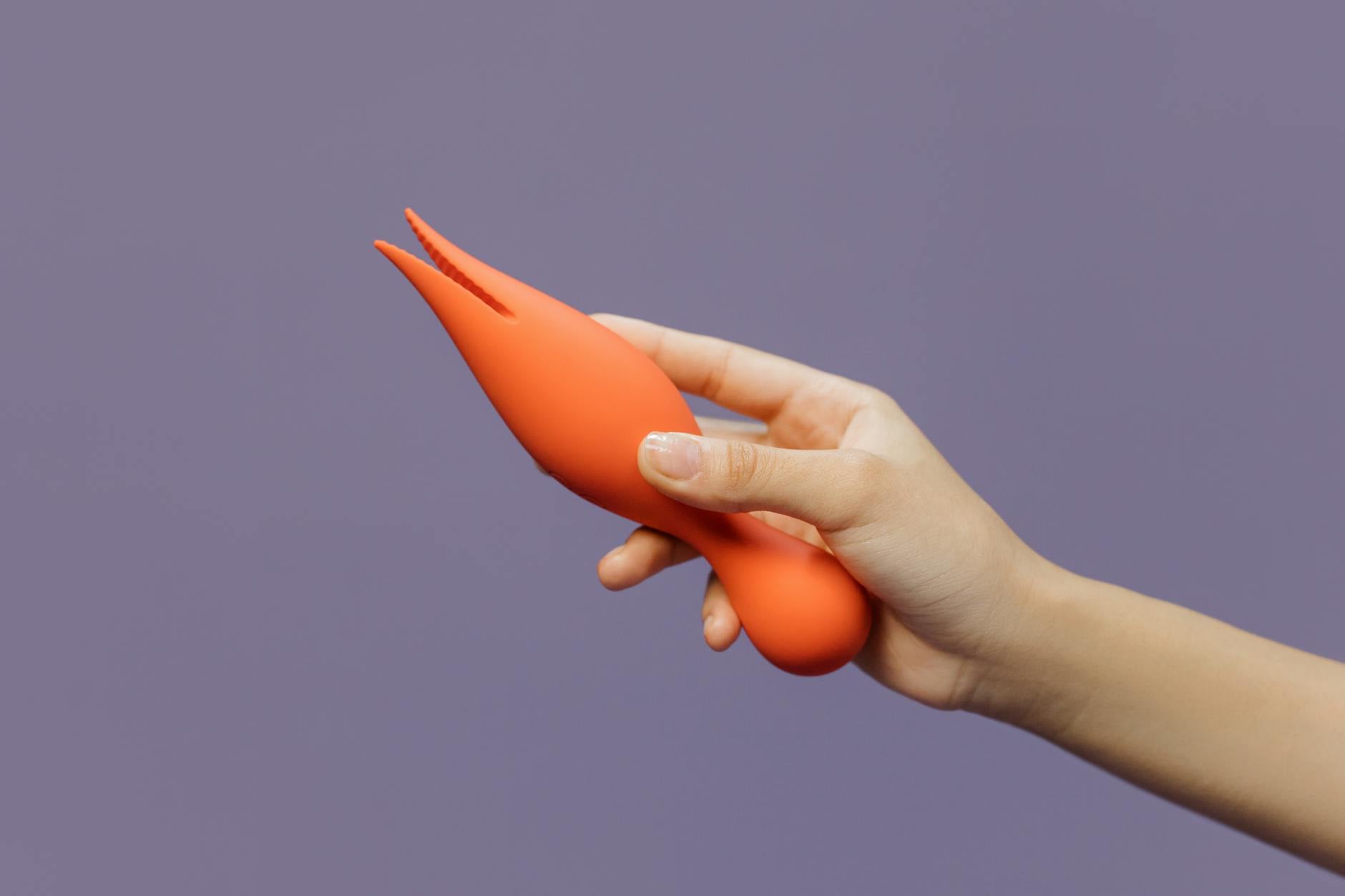
Let's talk about what thin tissue actually means
If your body produces less estrogen, your vulva tissue gets thinner. That's not poetic. It's biology. And it changes everything about how you should use a clitoral vibrator, including how a lemon vibrator works best.
Thin tissue isn't fragile exactly, but it does respond differently to direct pressure and friction. The same vibrator intensity that felt perfect at 25 might feel raw or uncomfortable at 45 or 55. Which sucks, because pleasure doesn't have an expiration date. It just needs adjustments.
Here's what I tell my clients: you're not broken. You're recalibrating. And a well-designed lemon clitoral vibrator, with its suction-based stimulation, can actually be one of your best tools for navigating this transition.
Why thin tissue changes your vibrator strategy
When estrogen drops, three things happen to the vulva:
First, the outer and inner labia lose structural support. They become thinner and less plump. Second, natural lubrication decreases, which means friction increases relative to moisture. Third, the tissue itself becomes more delicate and more prone to irritation from sustained pressure.
Now here's the part that matters for pleasure. A traditional vibrator works through rapid, repetitive friction against tissue. With thin tissue, sustained friction can create micro-tears or rawness, even at lower intensities. That's not inevitable. That's just physics.
A lemon vibrator, by contrast, uses gentle suction and pulsation rather than aggressive vibration. It stimulates the clitoris by creating pressure waves instead of direct friction. For thin tissue, this is often gentler while remaining deeply satisfying.
Lubrication is non-negotiable now
I say this to every person with thin tissue: lubrication is not a sign you're doing something wrong. It's maintenance.
Water-based lubricant reduces friction by 70-80 percent, depending on the product. That's not a minor detail. That's the difference between pleasure and rawness. Apply it generously before you start, and reapply during longer sessions.
Silicone-based lubes last longer and feel richer, but they damage silicone toy materials, so stick with water-based. Look for formulas without parabens or glycerin if your skin is reactive. Hyaluronic acid and aloe-based lubes tend to feel more natural and less sticky.
One practical tip: warm the lube slightly between your fingers before applying. Cold lube on sensitive tissue is startling. Room temperature or warmer feels more comfortable.
How to adjust your lemon vibrator settings for thin tissue
If you're new to the Lem or a similar lemon clitoral vibrator, this is where the magic happens.
Start at the lowest intensity setting. With the Lem, that's pattern 1 or 2. Don't feel like you need to move up quickly. Many people find their sweet spot lives at settings 2-4, not at full intensity. The suction design means lower settings still deliver satisfying stimulation because the mechanism is efficient.
Think of it this way. A traditional vibrator at level 8 uses sheer amplitude to create sensation. A lemon vibrator at level 3 uses intelligent pulsing patterns that feel more nuanced. You're not sacrificing pleasure. You're shifting how you access it.
Warm-up time matters more than it used to. Budget 10-15 minutes before using the vibrator, not as foreplay necessarily, but as actual arousal buildup. Thin tissue responds better to gradual stimulation than to sudden intensity. Your clitoral nerve endings need time to wake up.
Technique adjustments that prevent irritation
With thin tissue, positioning and pressure matter more than speed.
Avoid direct, sustained contact on the clitoris itself. Instead, move the vibrator in slow circles around the area, focusing on the sides and upper portion of the clitoris. This distributes stimulation across a larger area and prevents localized pressure buildup that can create rawness.
With a lemon vibrator's suction design, you can use lighter pressure than you think. You don't need to press hard. The suction creates its own gentle pulling action. A feather-light touch at settings 2-3 often feels better than firm pressure at those same settings.
If you notice any mild discomfort during or after use, that's your signal to dial back intensity or duration next time. Mild discomfort is different from pain. Pain means stop. Discomfort means adjust. Learn the difference for your own body.
When to use lubricant with your lemon vibrator
Always. Even if you feel naturally lubricated, add water-based lube on top of that. Your natural lubrication is excellent, but thin tissue benefits from the additional moisture barrier.
Apply lube directly to the vulva before starting. Apply a small amount to the device tip as well. This creates a smooth interface between the vibrator and your tissue. Reapply every 5-10 minutes during longer sessions.
If you're using the vibrator with a partner, they can handle lube application, which takes pressure off you and adds an intimate element to the experience. Some couples find this small detail shifts the whole dynamic.
Duration and pacing matter more than intensity
With thin tissue, shorter, more frequent sessions often work better than longer marathons.
Try 10-15 minute sessions three to four times a week instead of pushing toward 30-minute sessions. Your tissue gets adequate recovery time, and you're less likely to experience irritation from overuse. This also means you stay engaged and focused, which paradoxically leads to more satisfying sensations.
Pacing within a session also helps. Don't go straight to your favorite intensity and hold it for 10 minutes. Build gradually. Spend 2-3 minutes at setting 2, then move to 3, then back to 2. This variation keeps sensation sharp and prevents the numbness that comes from sustained, unchanging stimulation.
If you notice decreased sensation over time during a session, that's a signal to stop and try again later. Your tissue is fatigued, not your desire. Rest and come back.
Recovery and maintenance between sessions
Thin tissue heals quickly, but only if you give it a chance.
After a session, rinse gently with warm water. You don't need soap internally, but if you want to, use an intimate wash without fragrance or just plain water. Pat dry gently with a clean towel. Avoid tight clothing immediately after. Let air circulation happen for 20-30 minutes if you can.
If you notice any persistent dryness, a vaginal moisturizer (not a lubricant, but a daily moisturizer like hyaluronic acid serum designed for the vulva) can help. This is separate from the lubricant you use during sex. It's maintenance, not performance.
Some people benefit from a topical estrogen cream prescribed by a gynecologist. This isn't about replacement therapy necessarily. It's localized, and it directly addresses tissue thickness. Talk to your doctor about whether this makes sense for you.
Why the lemon vibrator design is actually genius for this
I mention the suction design again because it genuinely matters. Unlike a traditional vibrator, which works through repetitive pressure, a lemon clitoral vibrator creates a gentle pulsing pressure wave that simulates the sensation of suction and release.
For thin tissue, this is less likely to create micro-trauma. The stimulation is consistent but not forceful. And because the pattern changes rather than just the intensity changing, your clitoris stays engaged without fatigue.
If you've tried traditional vibrators and they left you feeling raw or overstimulated, a lemon vibrator might actually feel more comfortable and still deliver intense sensation.
Reframing thin tissue as a transition, not an ending
Here's what I tell my clients in their 40s, 50s, and beyond. Thin tissue isn't a verdict. It's a signal that your body is changing, and those changes require different tools and techniques. That's it.
Pleasure doesn't decline with estrogen. It shifts. And many people find that once they adjust their approach, their orgasms actually feel richer, more focused, and less performance-oriented than before. You're not chasing intensity for its own sake anymore. You're chasing sensation that feels genuinely good for your body, which is a different and often better thing.
Your clitoris didn't lose sensitivity. The tissue around it changed. And a well-chosen vibrator, used with the right technique, can feel better than ever.
Frequently asked questions
Can I use a lemon clitoral vibrator if I have vaginal atrophy?
Yes, with adjustments. Vaginal atrophy is more severe than general thin tissue, and lubrication becomes even more important. Using a lemon vibrator at the lowest settings with generous water-based lubricant is often more comfortable than traditional vibrators. If penetrative sensation is affected, focus the lemon vibrator on external clitoral stimulation, where the nerve density is highest. Talk to your gynecologist if atrophy symptoms are severe. Topical estrogen or other treatments may help.
How often can I safely use a lemon vibrator with thin tissue?
Three to four times a week is generally safe if you're using low to moderate settings with proper lubrication. Your body will tell you if you need more recovery time. If you notice any irritation, discomfort, or increased dryness the next day, scale back frequency. Quality matters more than quantity.
Will using a lemon vibrator make my tissue thinner?
No. Vibrator use doesn't cause tissue thinning. Estrogen loss causes thinning. What matters is using the right technique and lubrication so you don't create irritation. With thin tissue, a well-designed lemon vibrator is safer than many alternatives because the suction mechanism is gentler than traditional vibration.
What's the difference between a lemon vibrator and a traditional clitoral vibrator for thin tissue?
Traditional vibrators work through rapid, repetitive friction. Lemon vibrators use suction and pulsing patterns instead. For thin tissue, suction-based stimulation typically feels gentler and less likely to cause rawness, while still delivering satisfying sensation. Many people with thin tissue report that lemon vibrators feel more comfortable than traditional vibrators.
Should I use more lubrication with a lemon vibrator than I would with other vibrators?
No less, possibly more. The design of a lemon vibrator is gentler, but thin tissue always benefits from extra lubrication. Start with what feels comfortable and add more if you feel any resistance or dryness during use. It's impossible to overdo water-based lubricant.
Can thin tissue cause pain during vibrator use, and how do I know if it's serious?
Mild discomfort during use might mean you need more lubrication or lower intensity. Sharp pain, stinging that lasts after sessions, or visible irritation means stop and let tissue recover. If pain persists beyond a day or two, talk to your gynecologist. Some tissue changes require professional attention, but many are manageable with technique adjustments and the right vibrator choice.
You're not doing this wrong
If you're someone with thin tissue learning to use a clitoral vibrator, you're not behind. You're just adapting. Your body changed. Your tools can change too. A lemon vibrator's thoughtful design and lower-intensity settings mean you can access pleasure that feels good for your body right now, not some imagined body from 20 years ago.
That shift from fighting your current reality to working with it. That's where real pleasure lives. If you have questions about what works for your body, or you want to talk through pleasure and intimacy more deeply, reach out. That's what I'm here for. Head to contact to start a conversation.