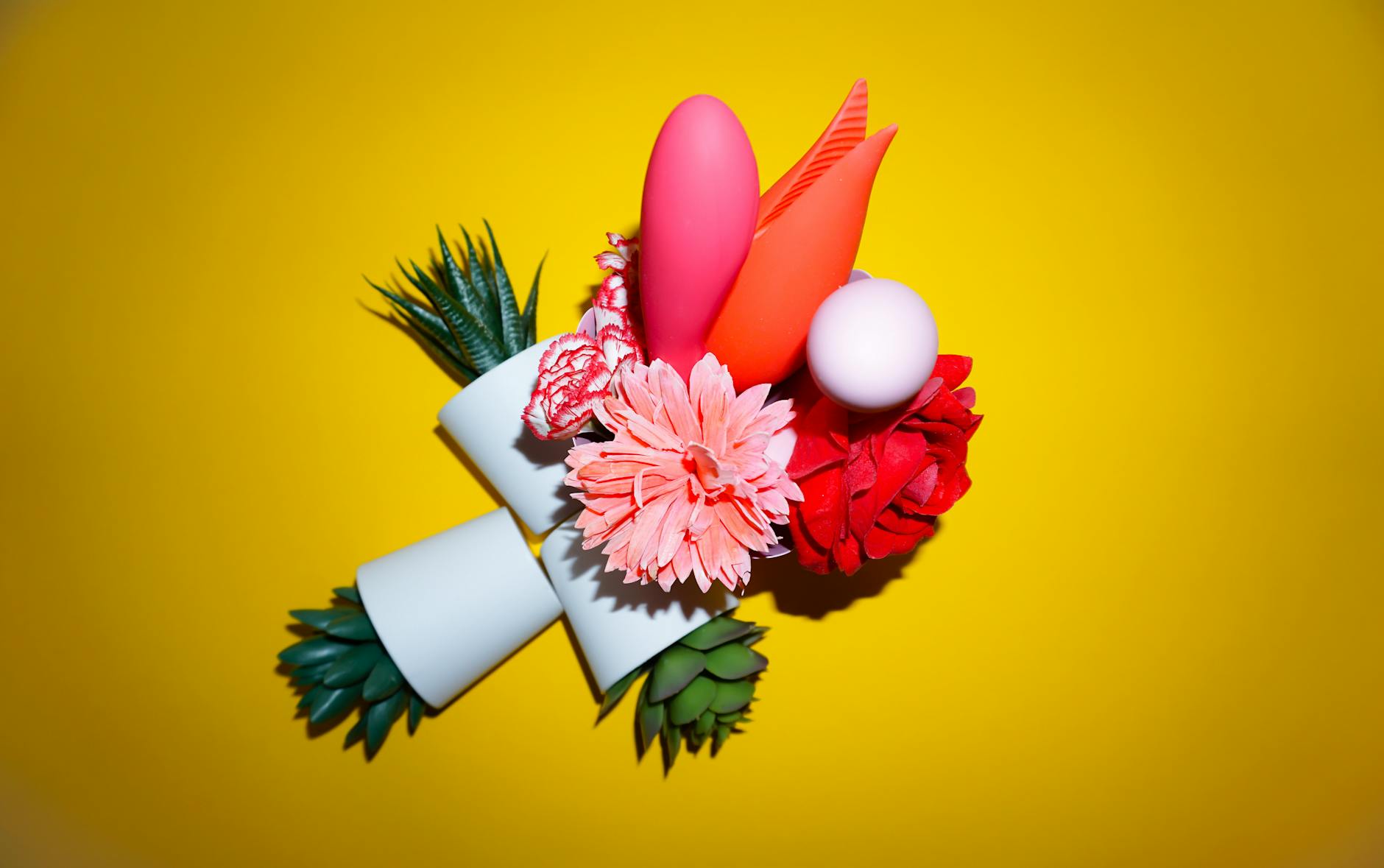
Your body is not a generic reference guide
Here's the thing nobody tells you: the "best" lemon clitoral vibrator is not actually the one with the most patterns or the highest power. It's the one that matches your specific anatomy, sensitivity level, and what actually feels good on your body. Two people with the same vulva can have wildly different responses to the exact same lemon suction toy. That's not a flaw in the toy. That's just physiology.
I've worked with hundreds of people rebuilding their pleasure after gaps, trauma, or just years of disconnection. The pattern I see most often is this: someone buys a highly rated lemon vibrator, tries it once, feels underwhelmed, and assumes they're broken. They're not. They just picked the wrong sensation profile for their body.
Let me walk you through how to actually match a lemon vibrator to what will work for you.
The three factors that matter
When you're evaluating lemon sexual toys, there are three variables that determine whether it'll feel amazing or disappointing:
Suction intensity (how strong the seal is). This is the core of what makes air-suction devices like lemon vibrators different from traditional vibrators. The suction creates a gentle seal and lift around the clitoris, then releases in patterns. Some bodies love intense suction that borders on aggressive. Others find strong suction overwhelming or even uncomfortable. Your vulva tissue thickness, clitoral prominence, and personal pain threshold all factor in.
Pattern complexity (what the rhythm is doing). Some lemon adult toys pulse steadily. Others escalate, flutter, or shift between suction and release. Some have 10+ patterns. Some have three. More is not always better. People with lower sensation often need complex, varied patterns to stay engaged. People with high sensitivity sometimes prefer simple, repetitive pulses because variation becomes overstimulating.
Speed range (how fast the pattern cycles). Even the same pattern feels completely different at speed 2 versus speed 8. Your baseline nervous system activation, stress levels, and how recently you've had pleasure all influence what speed feels right on a given day.
Anatomy: the part nobody explains
Your clitoris has about 8,000 nerve endings, but their density and distribution varies wildly person to person. Some people have a clitoris that sits more internally. Others have one that's more external and prominent. Some have a hood that covers most of it. Others barely have one.
This matters because:
If your clitoris is more internal or hooded, suction devices work particularly well. The seal can reach deeper tissue without direct contact. If you've got sensitive or easily irritated tissue, moderate suction is often more comfortable than the highest settings. If your clitoris is very prominent and externally positioned, you might find direct vibration (from a traditional vibrator) more effective than suction.
Tissue thickness also shifts with hormones, age, and health. After menopause, vulva tissue thins. After pregnancy, it often swells slightly for a few months. If you're on hormonal birth control, your tissue responds differently than if you're not. None of this is permanent or a problem. It just means the lemon vibrator that felt perfect five years ago might need recalibration now.
Sensitivity: what you actually need
Sensitivity falls into a few distinct buckets, and each one has different tool needs:
High baseline sensitivity. If you can orgasm quickly, easily, or with light touch, you probably don't need intense suction or complex patterns. A simple, steady pulse at lower speeds is often more satisfying because it lets you stay in control and build sensation gradually. The Lem at settings 1-3 works well here. You're not fighting overstimulation. You're getting precision.
Medium sensitivity. You need a bit of build-up, some pattern variation, and moderate intensity to feel it fully. You want options. Three to five patterns, adjustable speed, and moderate suction strength give you room to explore without overwhelming yourself on day one.
Low baseline sensitivity. You need strong, consistent stimulation, or you lose the thread entirely. Complex patterns that shift and change, higher suction intensity, and faster speeds keep your nervous system engaged. Numbness often comes from stress, medication, or recovery, and these bodies benefit from lemon vibrators that deliver consistent, unmissable sensation.
The friction factor most people skip
Here's something I see derail people constantly: they assume more friction equals more sensation. Not true. For people with sensitive tissue, lower-friction contact (like suction) actually delivers better sensation with less irritation. For people recovering from desensitization or numbness, friction combined with suction sometimes works better because it engages more nerve pathways.
Water-based lubricant changes the entire equation. A lemon clitoral vibrator against dry tissue and the same toy with good lubrication feel like different devices entirely. If you're testing sensation, always use lube. If you're sensitive or dealing with dryness, use it. If you're numb and trying to wake things up, it helps you stay engaged longer without irritation.
Age, hormones, and shifting sensation
I work with a lot of people in their 40s, 50s, and beyond who feel shocked that their pleasure has changed. It has. And there's no amount of willpower that undoes it. The fix is matching your lemon sexual toys to where your body actually is now, not where it was a decade ago.
If you're in perimenopause or menopause, tissue sensitivity often increases even as lubrication decreases. This is counterintuitive but real. You might suddenly find you need lighter suction and gentler patterns than you used to. If you're post-menopausal, your baseline sensitivity might stabilize at a new set point. Testing a range of intensities on your Lem (it has multiple suction settings for exactly this reason) tells you what that new set point is.
Birth control, pregnancy, postpartum recovery, and menopause all shift sensation temporarily or permanently. None of it means you're broken. It means you need to recalibrate what tool works. That's actually simpler than retraining your entire nervous system.
How to actually test what works
Don't expect to know instantly. Give yourself three to five sessions with any new lemon vibrator before you decide. Here's why: your first session is often stiff, tentative, and doesn't tell you much. By session three, you know how to position yourself, how much lube you actually need, and what speed doesn't make you tense up.
Start at the lowest intensity or setting. Spend 5-10 minutes there. Move up one level and spend another 5-10 minutes. Notice what happens. Does higher intensity feel better, or does it tip into discomfort? Do you prefer steady rhythm or changing patterns? Are you losing sensation partway through, or staying engaged the whole time?
Take notes if you want to. Seriously. After three sessions, you'll have real data about what actually works for your body instead of guessing based on reviews or what worked for someone else.
A quick word on lemon vibrators versus other clitoral vibrators
Suction-based toys like the Lem work differently than traditional vibrators. Suction doesn't bash against tissue. It creates a gentle rhythmic pressure and release. For people with very sensitive tissue, people recovering from numbness, and people who've struggled with numbness from stress or medication, suction often works better than vibration alone because it feels less aggressive and engages sensation more holistically.
That said, not everyone loves suction. Some people find the sensation too broad. Some prefer direct, focused stimulation. Testing is the only way to know. If you're new to lemon clitoral vibrators, start on the lowest setting and take it slow.
Pleasure is not one-size-fits-all
Your partner's favorite lemon suction toy might do nothing for you. Your best friend's recommended settings might feel completely wrong on your body. That doesn't mean they're right and you're broken. It means their anatomy is different from yours. Your baseline sensitivity is different. Your needs are different. All of that is completely normal and actually makes things more interesting because it means you get to discover what genuinely works for you instead of following a script.
People also ask
What if my lemon vibrator feels too strong even on the lowest setting?
Start with much shorter sessions. Ten minutes instead of 20. Use plenty of water-based lubricant. Let your body adjust gradually. Some sensitivity comes from anticipatory tension. Your nervous system might genuinely need time to trust the sensation. If it's still uncomfortably intense after five sessions, suction-based toys might not be your best match, and that's fine. Traditional vibrators work beautifully for many people.
Can I use a lemon clitoral vibrator if I have a sensitive vulva?
Yes, actually often better than traditional vibrators. Suction distributes pressure across a broader area instead of concentrating it in one spot. Start on the lowest suction setting with plenty of lube, and build from there. Many people with sensitive tissue find lemon vibrators more comfortable because you control both the suction strength and the speed separately.
How do I know if I need a more complex pattern or a simpler one?
If you find yourself losing focus or sensation partway through, you probably need more pattern variation. If you feel constantly chasing the right sensation or feeling overstimulated by changes, you need simplicity. Your nervous system tells you. Listen to it.
Should I feel something different between suction patterns?
Yes, but maybe not dramatically. Some patterns will feel more intense, more rhythmic, or more fluttering than others. If you feel zero difference between patterns even after several sessions, your suction might be too low or your positioning might be off. Adjust suction intensity, positioning, or lube and try again.
What if I orgasm too quickly on a certain setting?
That's not a problem unless you want it to be. If you want longer play sessions, try a lower speed or less intense suction before you start. If quick orgasms are fine with you, that setting is perfect. Pleasure is not about duration. It's about what feels good to you.
Can my body's sensation needs change over time?
Absolutely. Stress, relationship changes, age, hormones, medication, and recovery from trauma all shift baseline sensitivity. Something that felt amazing last year might feel wrong now. That's not the toy failing. That's your body changing. Recalibrate every couple of years or after major life shifts.
The actual path forward
Picking the right lemon vibrator for your specific body is not about finding the "best" toy. It's about matching sensation to your actual anatomy and what your nervous system responds to right now. That requires honest testing, patience with yourself, and permission to prefer what works for you instead of what the internet says you should like.
If you're unsure where to start or want guidance on how different lemon sexual toys might fit your needs, reach out. That's exactly what we're here for.
Contact us if you want personalized recommendations based on your body and what you're working with.